Questions on this page24
- What do I actually need for a first trip?
- How do trains work in Japan?
- Is the Japan Rail Pass worth it?
- Suica, PASMO or ICOCA: which IC card should I get?
- When is the highway bus better than the train?
- Should I fly inside Japan?
- Are ferries worth taking?
- Are taxis expensive, and can I use Uber?
- Can I drive in Japan with my license?
- What should I do with my luggage?
- Do I need a SIM card or an eSIM?
- Which transport for which trip?
Most first trips to Japan need three things: an IC card on your phone, two or three Shinkansen tickets bought a few days ahead, and one long-distance bus. Very few need the seven-day Japan Rail Pass, which now costs ¥50,000 (about US$315) and pays for itself only on long, fast, there-and-back itineraries. The exceptions are where trips go wrong, like the suitcase that suddenly needs its own reservation.
Prices below are official fares as of November 2026 unless marked otherwise. Fares do change, so the operator’s own page, linked where I used it, has the last word.
What do I actually need for a first trip?
A transport IC card, a way to book Shinkansen seats, and a plan for your luggage. That covers a classic Tokyo, Kyoto and Osaka trip, with side trips to Mount Fuji or Hakone. Add a highway bus for the places trains reach slowly, and a rental car only if you are heading into rural Hokkaido, Kyushu or Shikoku.
What you probably do not need: a Japan Rail Pass for a trip that goes Tokyo to Kyoto and back, a day pass for every city, or a pocket Wi-Fi device if your phone takes an eSIM. Most tickets are easy to buy on the day, and the few that sell out (peak-season Shinkansen seats, popular buses, overnight ferries) are covered below.
How do trains work in Japan?
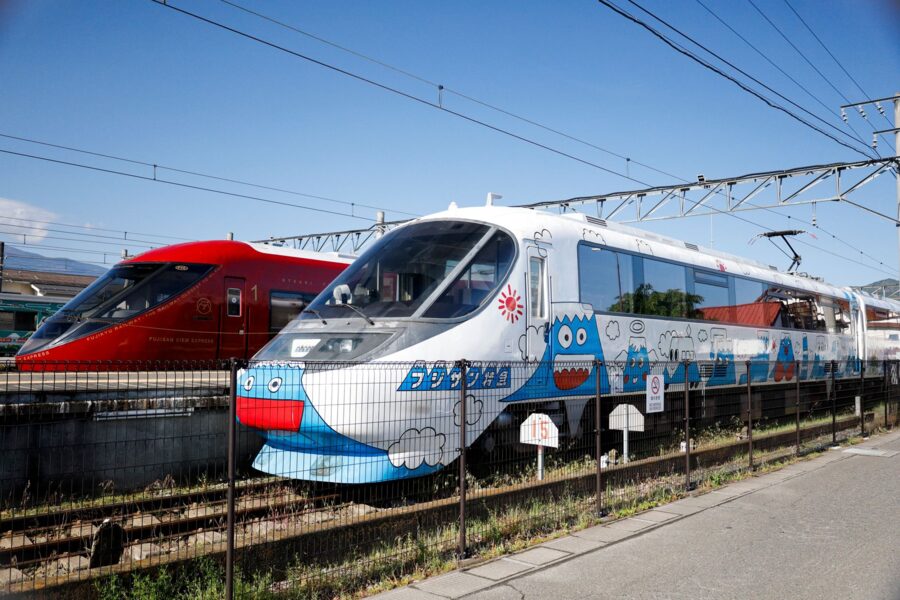
Trains are run by many companies, not one. The six Japan Railways companies (JR East, JR Central, JR West, JR Hokkaido, JR Shikoku and JR Kyushu) run the Shinkansen and a national network of ordinary lines, and each big city adds subways and private railways on top. In Tokyo that means Tokyo Metro and Toei subways plus private lines such as Odakyu, Keio, Tokyu and Keikyu, which is why a single trip can pass through two or three companies’ gates.
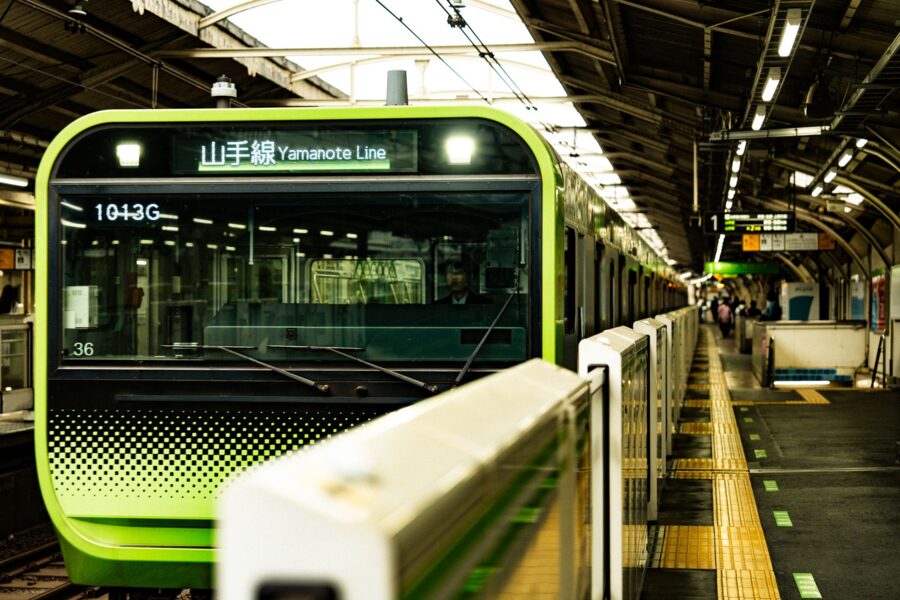
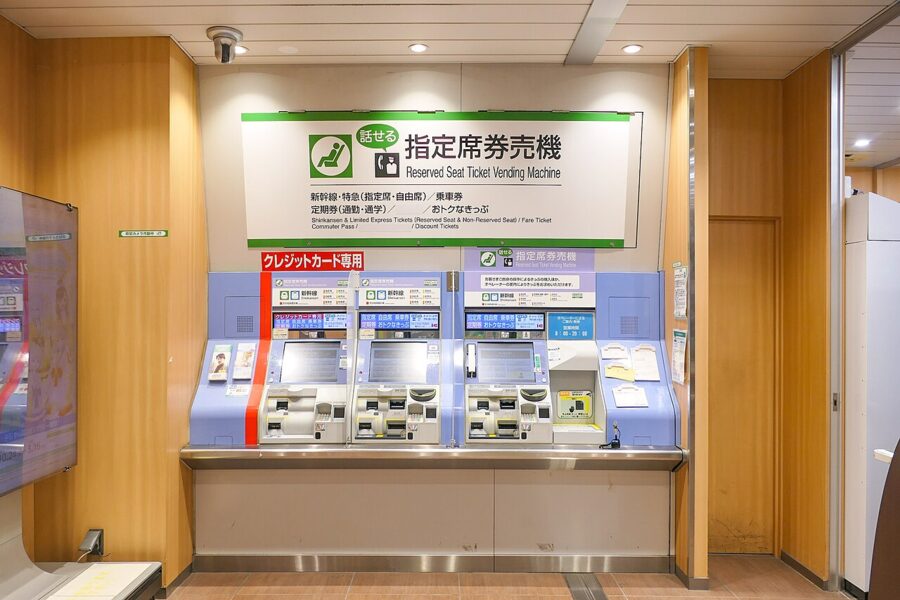
For a normal local or rapid train you need only the basic fare, which an IC card pays automatically at the gate. Limited express trains and the Shinkansen need a second ticket on top, either reserved or non-reserved. Station machines sell both, and most have an English screen.
The Shinkansen in a paragraph
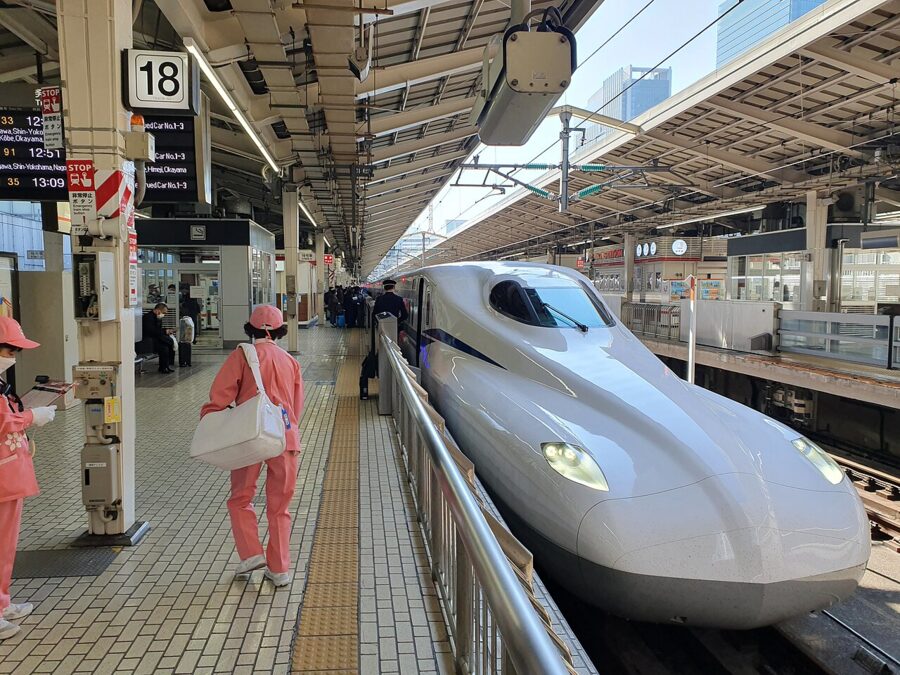
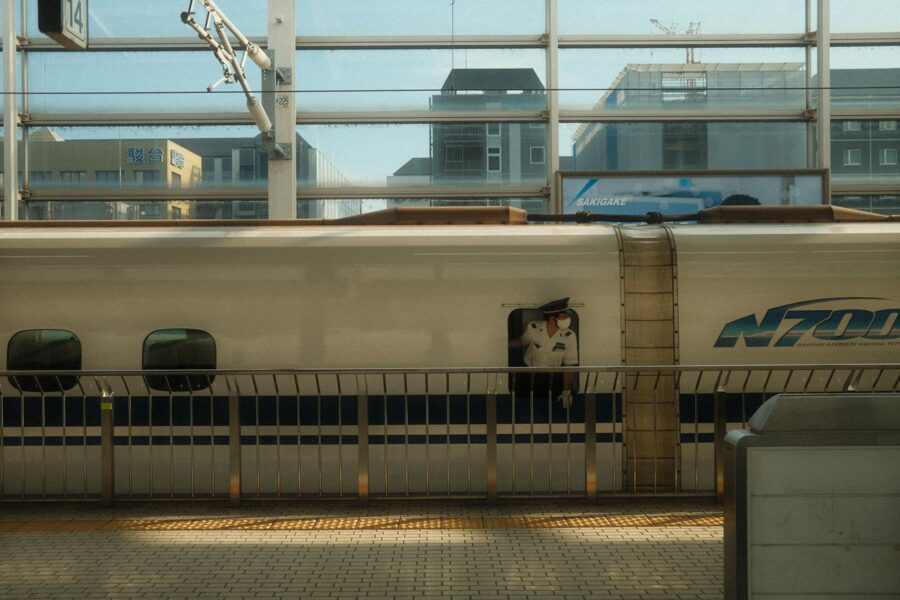
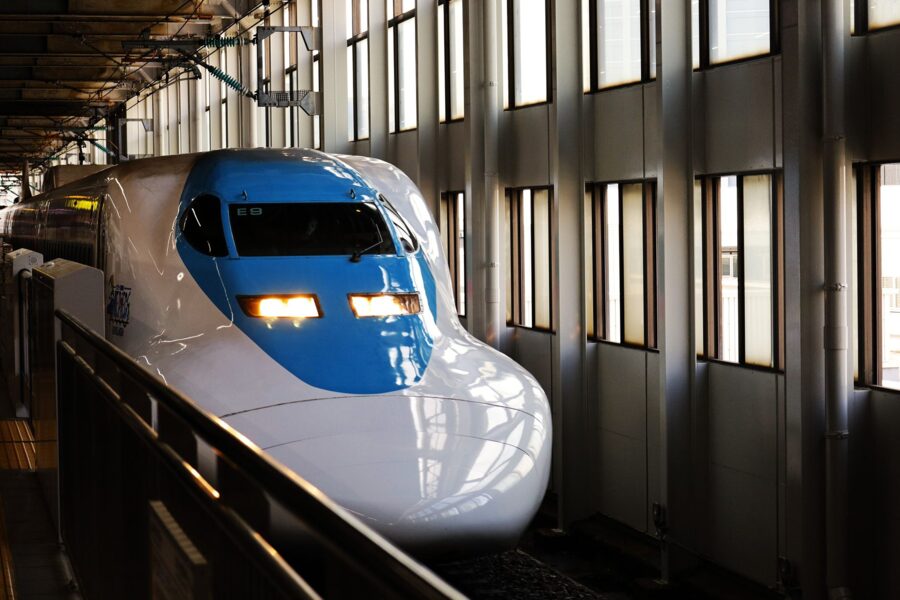
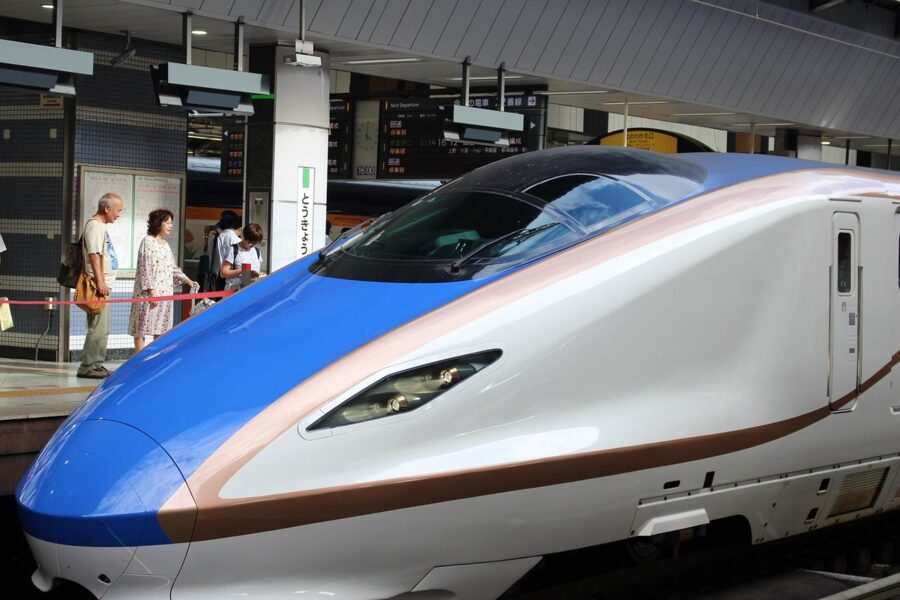
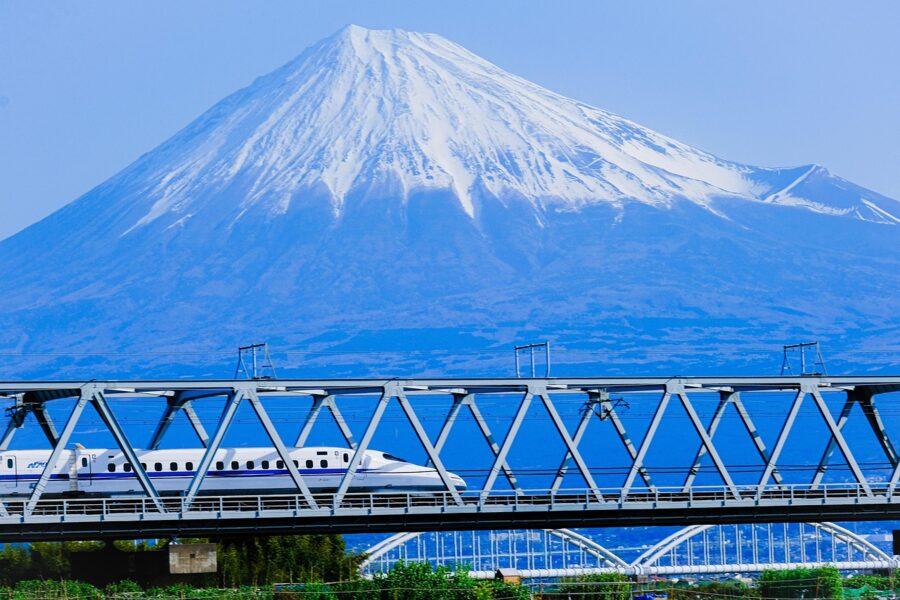
The Shinkansen is the bullet train network, and the Tokaido line from Tokyo to Osaka is the one most visitors ride. The fastest service, Nozomi, costs ¥14,720 (about US$93) from Tokyo to Shin-Osaka with a reserved seat in a regular season, as of 2026. JR Central and JR West have announced the first Nozomi fare rise, tax changes aside, since the service began in 1992: that trip goes to ¥15,420 for tickets bought from July 1, 2027. Slower Hikari and Kodama trains on the same line keep their prices.
Do I need to reserve a Shinkansen seat?
Usually no, sometimes yes. Most trains have a few non-reserved cars where you sit wherever is free, and on a weekday morning that works fine. Reserve if you are traveling on a Friday evening, at a holiday weekend, in cherry blossom season, or with a large suitcase (see the luggage section).
During the year’s main peak periods, around New Year, Golden Week in early May and the Obon holiday in mid-August, every Nozomi seat becomes reserved. JR Central’s peak-period notice says non-reserved ticket holders may still board but have to stand in the aisle. Hikari and Kodama keep their non-reserved cars, which fill fast.
Where do I buy train tickets?
At the reserved seat ticket machines in JR stations, at the staffed JR ticket office (called Midori no Madoguchi, the green window), or online. Machines take cash and credit cards for Shinkansen tickets. Ticket office queues at big stations can be long in the morning, so the machines are worth learning.
Is the Japan Rail Pass worth it?
For most first trips, no. The nationwide Japan Rail Pass rose sharply in 2023 and its official prices, as of 2026, are below. It is sold to short-term visitors only, and buying on the official website costs less than buying through an overseas travel agency.
| Japan Rail Pass (adult) | Ordinary car, bought online | Green car, bought online | Ordinary car, overseas agency |
|---|---|---|---|
| 7 days | ¥50,000 | ¥70,000 | ¥53,000 |
| 14 days | ¥80,000 | ¥110,000 | ¥84,000 |
| 21 days | ¥100,000 | ¥140,000 | ¥105,000 |
Children aged 6 to 11 pay half. Now compare: a round trip from Tokyo to Osaka on Nozomi costs ¥29,440 in ordinary tickets, so a week of Tokyo, Kyoto and Osaka with a return to Tokyo does not come close to ¥50,000. Even adding a day trip to Nara or Himeji leaves you well short.
The pass starts to pay when one week holds a long loop: Tokyo to Hiroshima or Fukuoka and back, or Tokyo north to Sendai and Aomori and then west to Kanazawa. If you need a calculator to justify it, it probably does not pay.
Can I ride the Nozomi with a Japan Rail Pass?
Yes, but not for free. Pass holders buy a special ticket for Nozomi and Mizuho trains, which costs ¥4,960 (about US$31) for Tokyo to Shin-Osaka and the same again for Shin-Osaka to Hakata. It is sold from one month before the ride and supply is limited. The free option is the Hikari, which takes roughly half an hour longer from Tokyo to Osaka.
The pass also covers nothing that is not JR. Subways, the private Odakyu line to Hakone, the Fujikyu line to Kawaguchiko and the Kintetsu line to Nara all need separate fares. Pass holders who buy on the official website can book seats online before arriving, which is the best part of the deal.
Which regional passes beat it?
Regional passes from each JR company cover one part of the country for much less, and they are the passes I would actually look at. These are official prices for foreign visitors as of 2026.
| Pass | Days | Adult price | What it is good for |
|---|---|---|---|
| Kansai WIDE Area Pass (JR West) | 5 in a row | ¥12,000 (about US$75) | Kyoto, Osaka, Kobe, Nara, Himeji, Okayama, Kinosaki Onsen, Amanohashidate |
| JR-WEST All Area Pass | 7 in a row | ¥26,000 (about US$165) | Osaka to Hiroshima and Fukuoka on the Sanyo Shinkansen, Kanazawa on the Hokuriku Shinkansen, the Miyajima ferry |
| JR EAST PASS | 5 or 10 in a row | ¥35,000 or ¥50,000 | All JR East lines, including Tohoku, Niigata and Nagano, since March 14, 2026 |
| JR TOKYO Wide Pass | 3 in a row | ¥16,000 (about US$100) | JR trains around the wider Tokyo region |
| Hokuriku Arch Pass | 7 in a row | ¥35,000 (about US$220) | Tokyo to Osaka the long way, through Kanazawa |
The JR-WEST All Area Pass is the standout. Unlike the nationwide pass, it allows Nozomi and Mizuho on the Sanyo Shinkansen, but it does not cover the Tokaido Shinkansen between Tokyo and Shin-Osaka or JR West’s highway buses. JR East’s two older area passes for Tohoku and for Nagano and Niigata were merged into the single JR EAST PASS in March 2026.
Suica, PASMO or ICOCA: which IC card should I get?
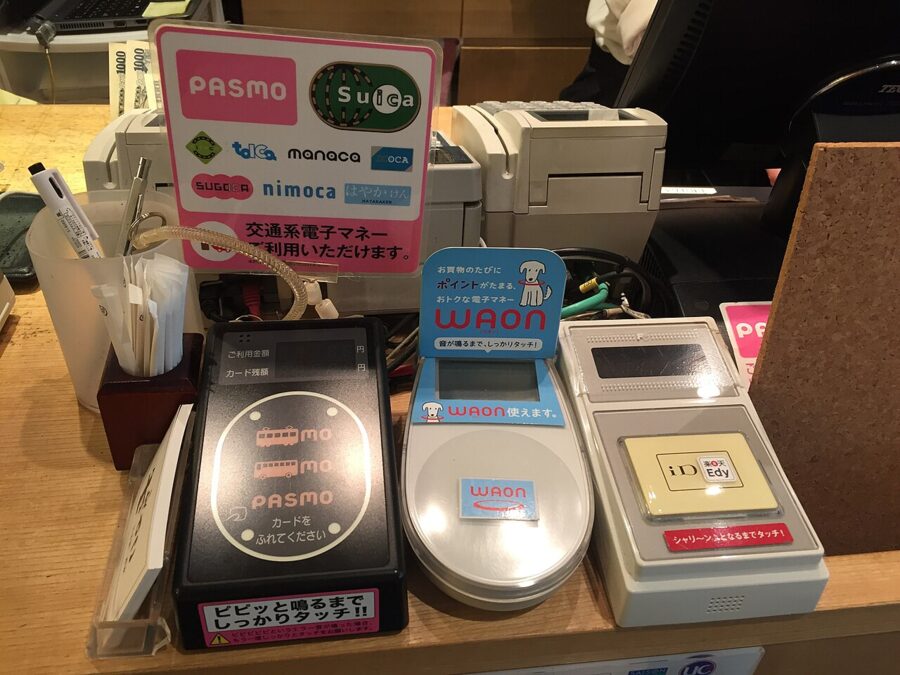
Whichever is easiest where you land, because they all do the same job. Ten transport IC cards work on each other’s trains and buses: Suica and PASMO (Tokyo), ICOCA (Osaka and Kyoto), Kitaca, TOICA, manaca, PiTaPa, SUGOCA, nimoca and Hayakaken. You load money on the card and tap it at the gate; the fare comes off as you leave.
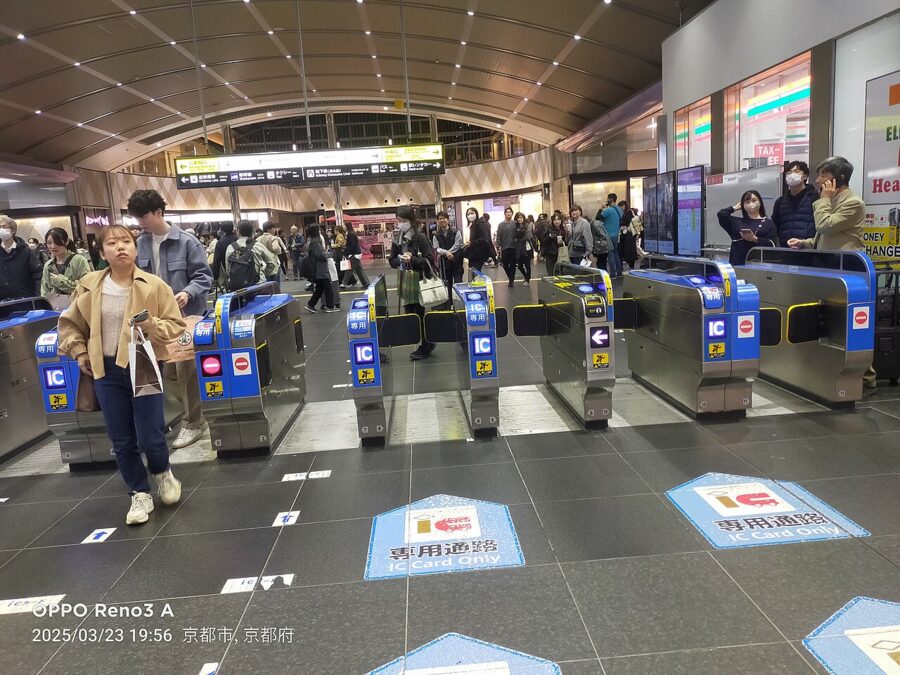
Plastic cards are easy to get again. After two years of chip shortages, ordinary Suica and PASMO cards returned to general sale on March 1, 2025, and they carry a ¥500 (about US$3) deposit. ICOCA is the same: JR West’s machines sell it for cash only, with ¥500 of what you pay held as the refundable deposit.
The Welcome Suica, a tourist version with no deposit, lasts 28 days and cannot be refunded. It has been sold at only a few airport counters in Tokyo, so do not plan around finding one.
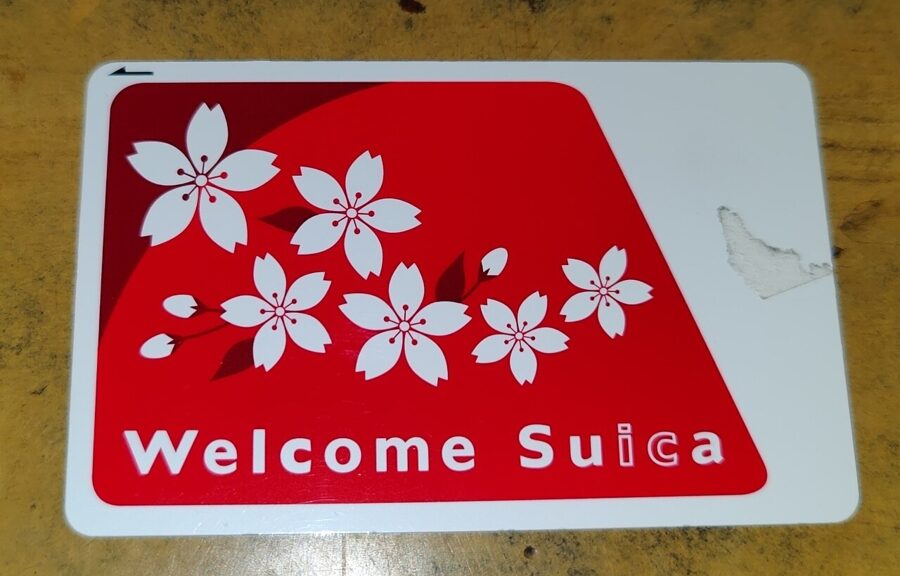
Can I use Suica on my phone?
On an iPhone, yes, and it is the easiest option. Suica, PASMO and ICOCA can all be added to Apple Wallet and topped up with a foreign credit card, and JR East’s Welcome Suica Mobile app for iOS issues a Suica in the app itself. Android is harder: the Japanese wallet system needs the FeliCa chip that Japan-market phones carry, and most Android phones bought abroad cannot add a Suica at all.
Where do IC cards not work?
Three places catch people. First, a single trip cannot cross from one card’s home area into another’s. JR Central’s TOICA rules give the classic case: the line between Kozu and Atami lies outside its card area, so a local train ride from Tokyo toward Shizuoka needs a paper ticket for the whole trip.
Second, plenty of rural stations have no IC reader, or only a simple stand-alone post. Third, the Shinkansen needs its own ticket; a card alone covers only non-reserved seats on JR East lines, or a booking made online and linked to the card.
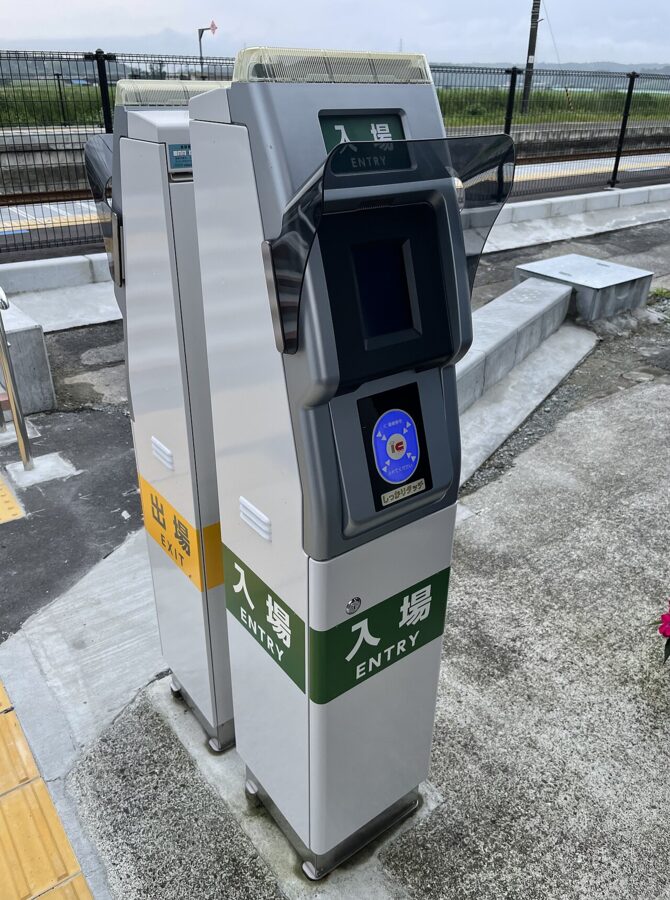
Can I just tap my credit card?
Increasingly, yes, though not on JR East. Since March 25, 2026, eleven railways around Tokyo accept contactless Visa, Mastercard, JCB, American Express and other cards at the gate across 54 lines and 729 stations, including Tokyo Metro, Toei, Odakyu, Keio, Keikyu, Tokyu, Seibu, Tobu and Sotetsu. Look for the gate with the card-brand logos. An IC card still works everywhere these do, plus on JR, so I would carry one anyway.
When is the highway bus better than the train?
When the train needs changes the bus does not, and when price matters more than speed. Mount Fuji’s lakes, Takayama, and the villages of the Japan Alps are all places where a direct bus is cheaper and often no slower than a combination of trains. Night buses also replace a night in a hotel on long routes such as Tokyo to Kyoto or Osaka.
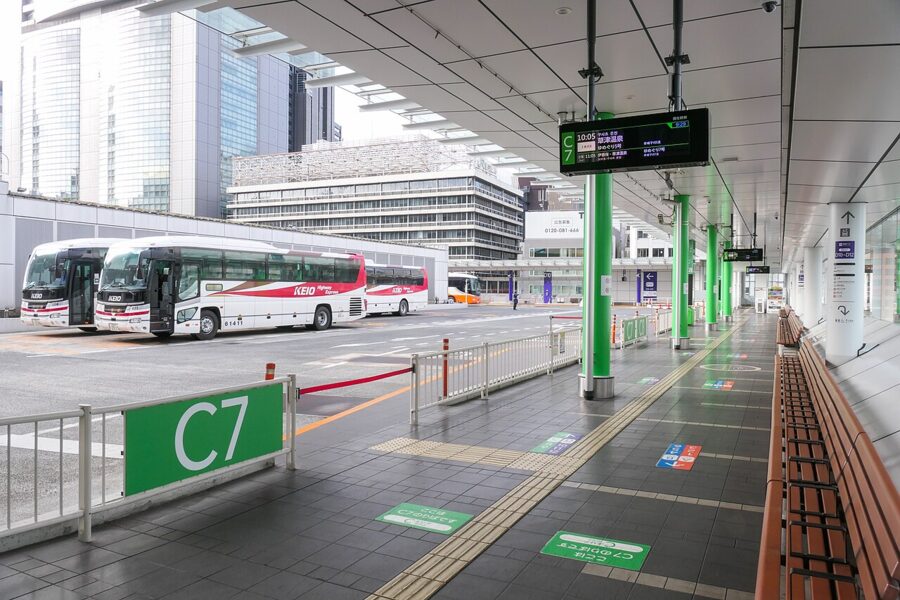
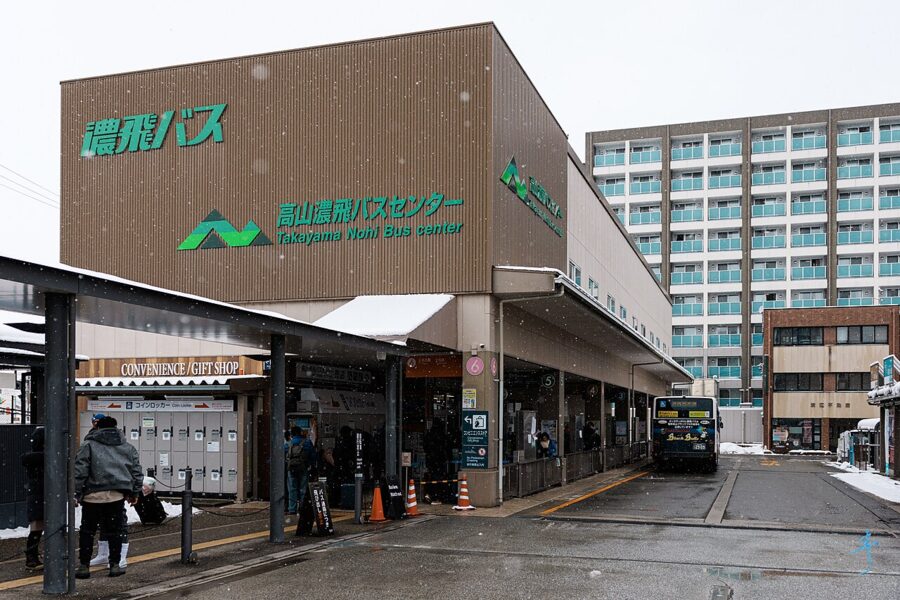
Japan’s long-distance buses are run by dozens of companies, including JR Bus, Willer, Keio, Fujikyu, Alpico and Nohi Bus. Seats are reserved, the buses leave on time, and luggage goes underneath.
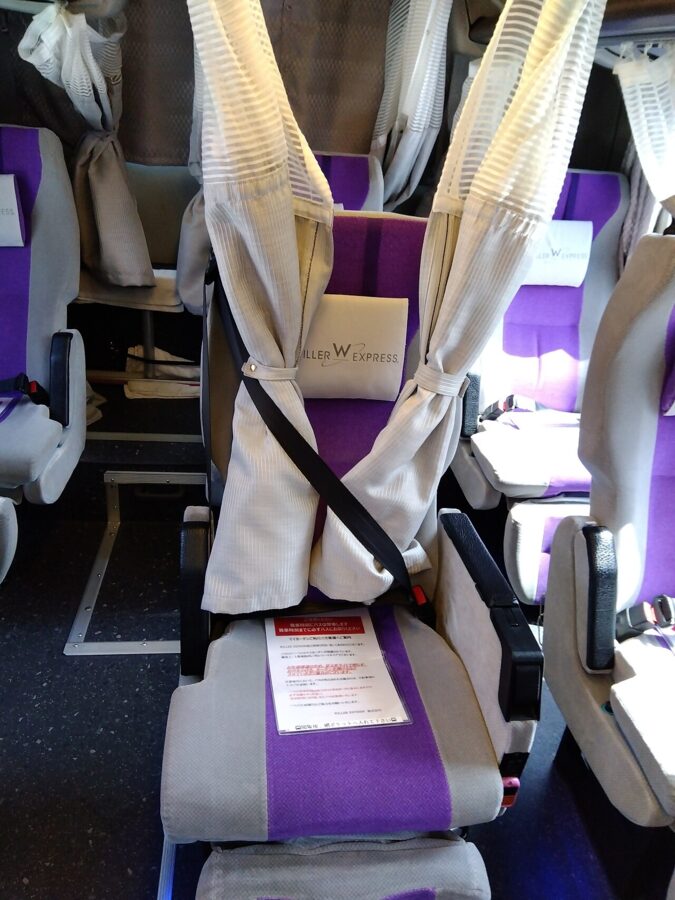
What is Busta Shinjuku?
Tokyo’s main highway bus terminal, built directly above the New South Exit of Shinjuku Station. Busta Shinjuku has departures on the 4th floor and arrivals on the 3rd, with a staffed ticket office, ticket machines, a waiting room, coin lockers and a convenience store. From the train gates it is a two-minute walk.
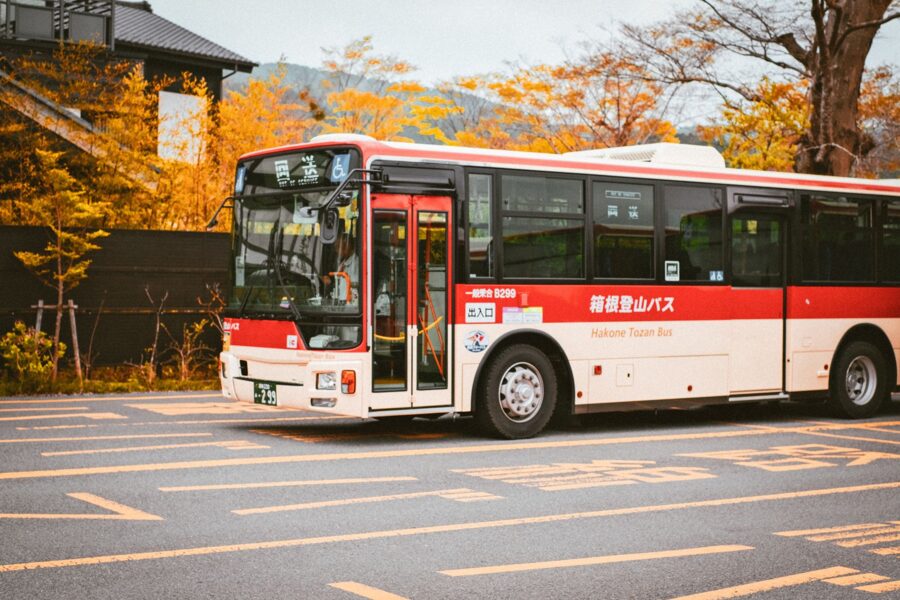
The route most visitors use is the bus to Kawaguchiko Station at the foot of Mount Fuji. As of the official timetable dated December 2025, the fare is ¥2,200 (about US$14) one way, the ride takes about an hour and 45 minutes, and morning buses leave about every 10 minutes. Book on the operator’s site in advance for weekends and holidays.
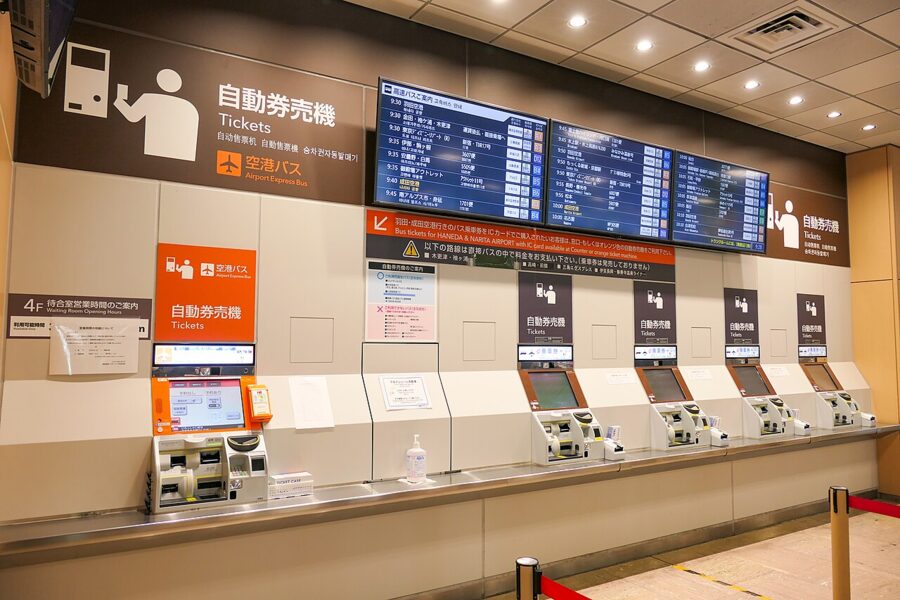
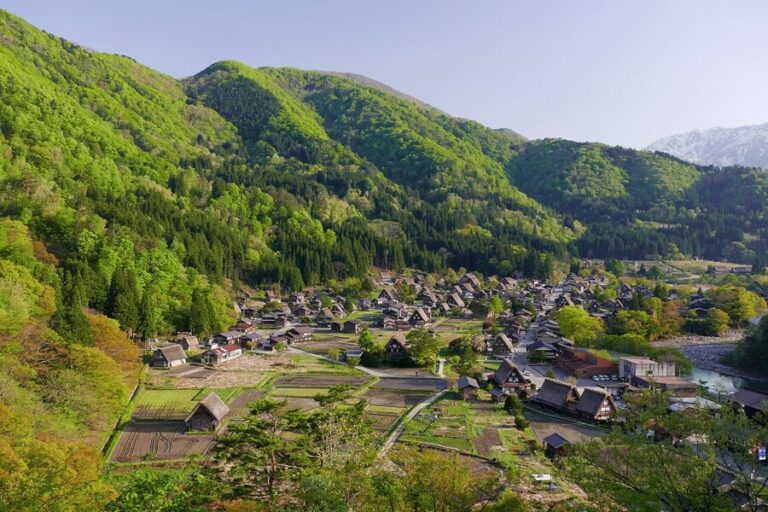
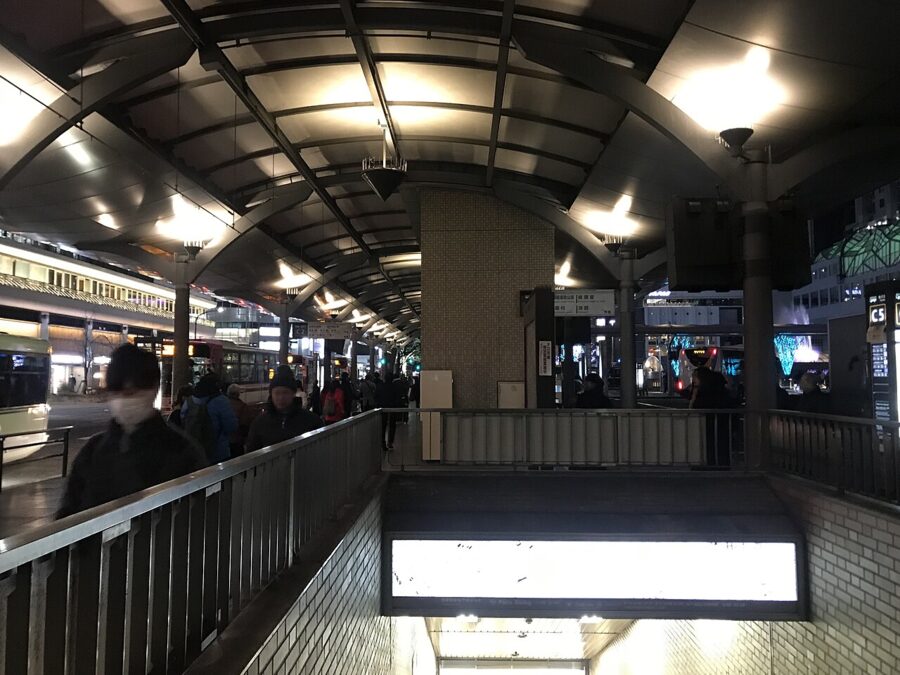
Other cities have their own big terminals. In Kyoto they leave from the terminal outside the station’s Karasuma exit. In the Alps, Nohi Bus runs from the Takayama Nohi Bus Center beside the JR station to Shirakawa-gō in about 50 minutes and Kanazawa in about two and a quarter hours or more, and to Shinjuku in about 5 hours 45 minutes.
How far ahead should I book a bus or a reserved seat?
For JR trains, seats go on sale one month before departure at stations and on most booking sites. JR Central says its own online reservation service takes bookings up to a year ahead. For most of the year, booking two or three days ahead is plenty; for peak weekends, cherry blossom season and the holiday weeks, book the day sales open.
Highway bus booking windows are set by each operator, route by route, and are most often one or two months ahead. Popular weekend buses to Kawaguchiko and Takayama do sell out, so I would book those as soon as your dates are fixed. A weekday bus between two big cities can usually be booked the day before.
Should I fly inside Japan?
For Hokkaido and Okinawa, yes. The Shinkansen reaches only the southern tip of Hokkaido, with Sapporo several more hours away by limited express, and Okinawa has no rail link at all, so flying wins. For Tokyo to Osaka, Kyoto or Hiroshima the train is usually faster door to door once you add the trip to the airport and the security line.
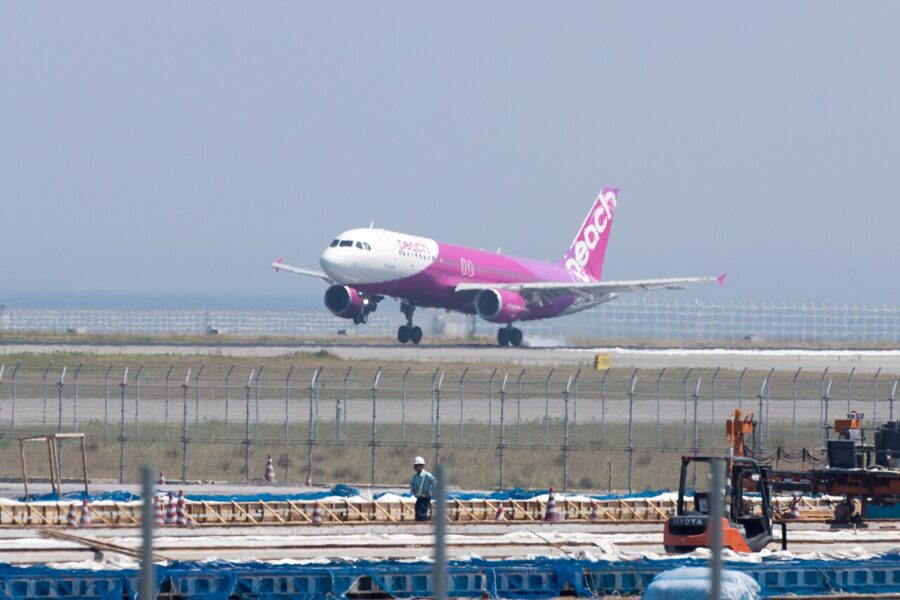
Japan Airlines and ANA run the largest domestic networks, and the low-cost airlines Peach, Jetstar Japan and Skymark cover the busy routes for less. Low-cost fares often exclude checked bags, and their Tokyo flights may use Narita instead of Haneda, which is much farther from the city. Both JAL and ANA have sold discounted domestic fares to overseas visitors; check their sites for the current terms before you book.
Are ferries worth taking?
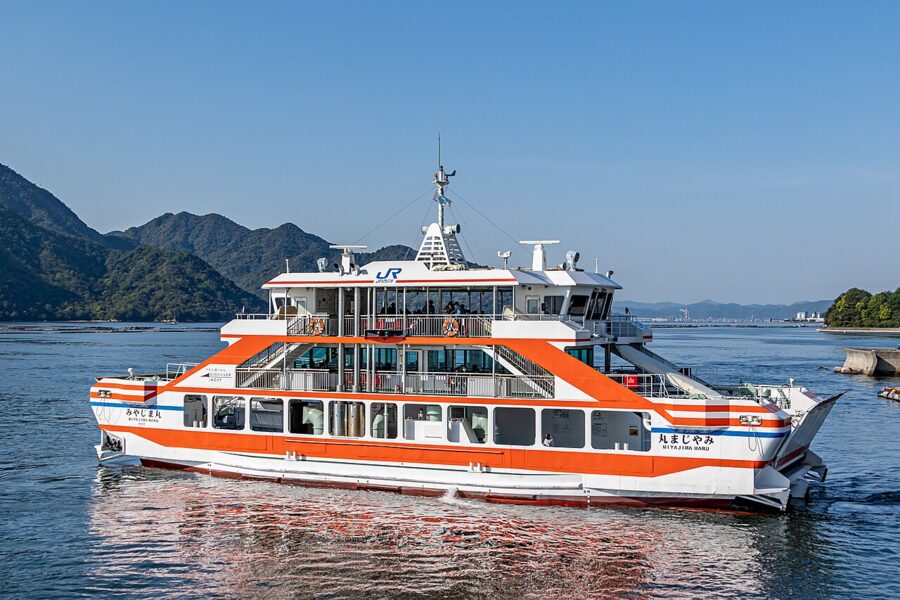
For a few short crossings they are part of the trip, and for a few long ones they double as a hotel. The one almost everyone takes is the ten-minute crossing to Miyajima, where the JR West ferry is covered by the Japan Rail Pass and the JR-WEST passes. Visitors pay a ¥100 island visitor tax, collected when you board.
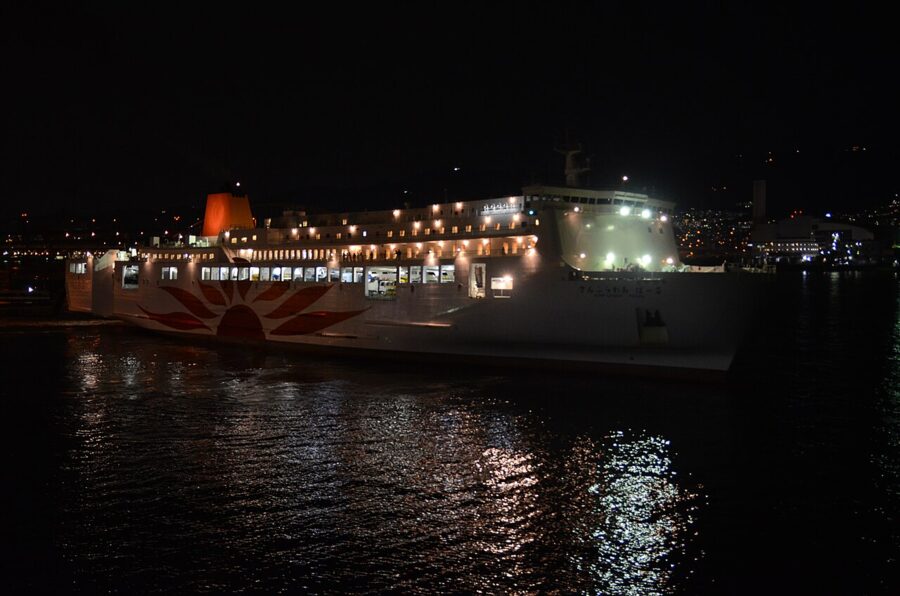
Overnight ferries cross the Inland Sea between Osaka or Kobe and Kyushu. Ferry Sunflower runs Osaka to Beppu, Kobe to Oita and Osaka to Shibushi in Kagoshima, with cabins from shared rooms to private ones and a public bath on board. I would take one only if you are going that way anyway.
Are taxis expensive, and can I use Uber?
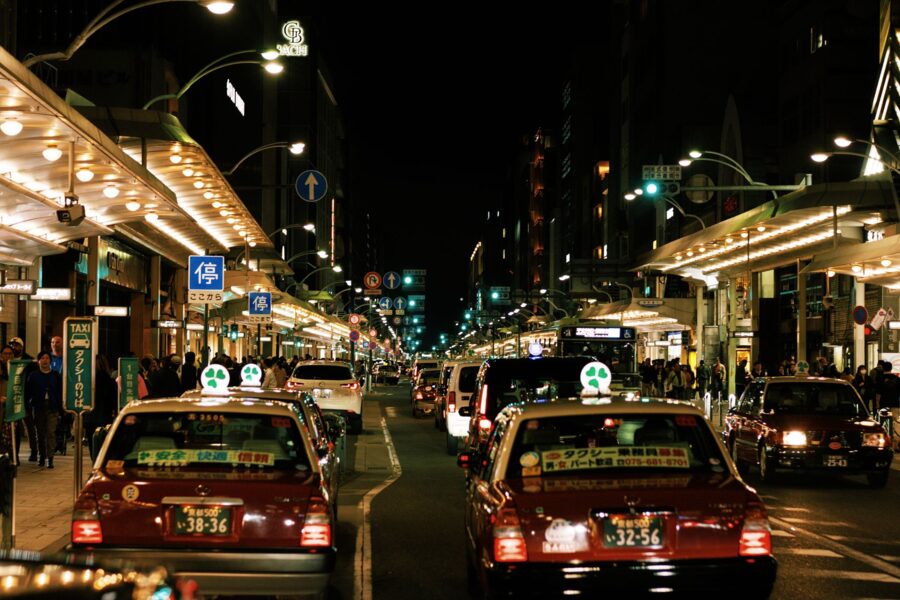
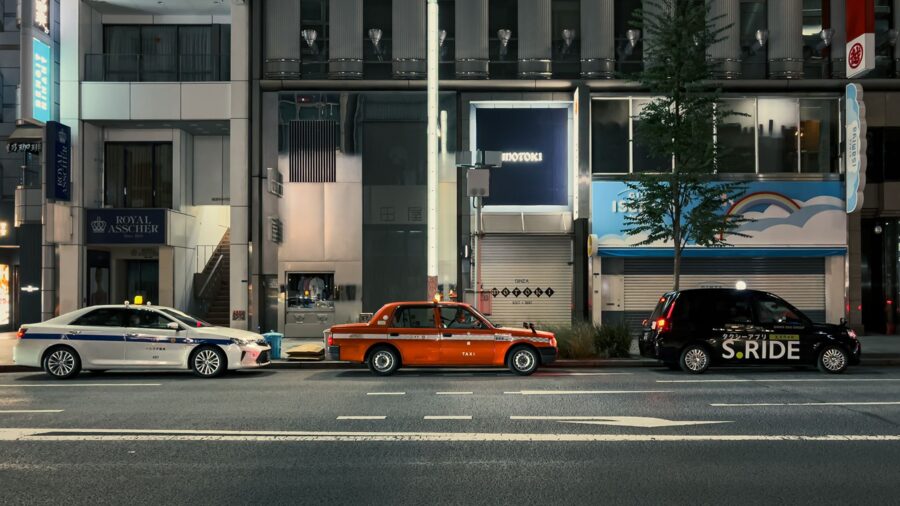
Taxis are metered, clean, and dearer than trains for anything but a short ride or a group of three or four. Doors open and close automatically, so leave them alone, and do not tip. Most city taxis take cards and IC cards, but carry some cash for rural ones.
The app most visitors end up using is GO, which hails ordinary licensed taxis. Uber also works in the larger cities. Trains stop around midnight, so after the last one a taxi is usually the only way home.
Can I drive in Japan with my license?
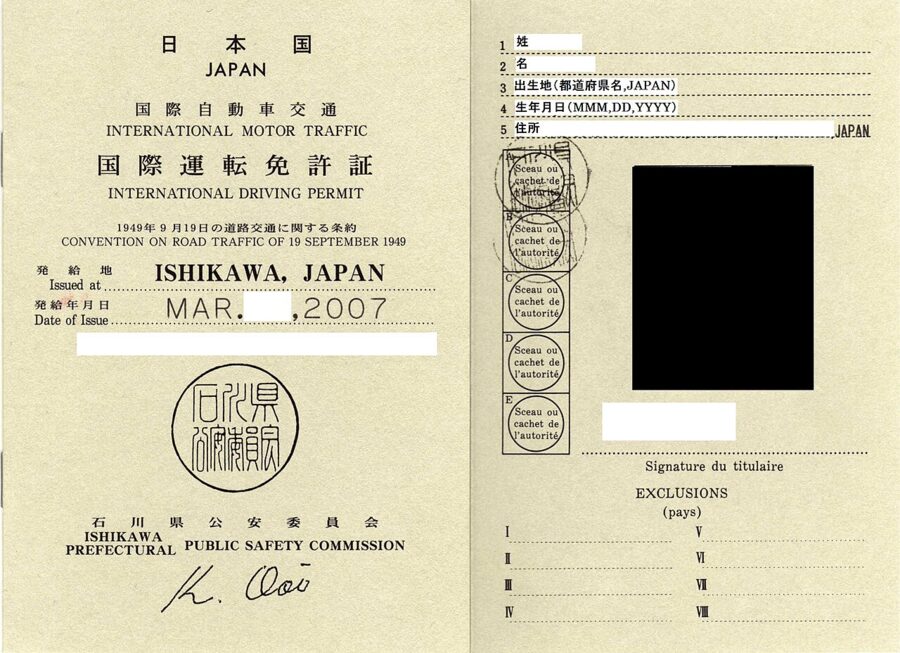
Only with the right paper. According to the National Police Agency, as of April 1, 2026, you need an International Driving Permit issued under the 1949 Geneva Convention, carried with your own license. Permits under other conventions are not accepted, a digital copy on your phone does not count, and the permit must carry a stamp for the class of vehicle you drive.
Drivers from Switzerland, Germany, France, Belgium, Monaco and Taiwan follow a different rule: they drive on their own license with an official Japanese translation, made by their government or consulate or by an approved body such as ADAC for German licenses. Either way, you can drive for up to one year from the day you land, or until the permit expires if that comes sooner.
Rent a car where trains are thin: rural Hokkaido, the Kii Peninsula, Shikoku, southern Kyushu and the smaller Okinawan islands. In Tokyo, Osaka or Kyoto I would not, because parking is scarce and expensive and the trains are faster. Expressways charge tolls, and winter mountain roads need snow tires, which rental companies in snowy regions fit in season.
What should I do with my luggage?
Send it ahead if it is big, store it if you are only away for the day, and know the Shinkansen rule before you board. Stairs, crowds and long transfers are all worse with a large suitcase.
How does luggage forwarding work?
You drop your bag at a hotel front desk, an airport counter or a delivery company’s office, and it arrives at your next hotel, usually the next day. Yamato’s hands-free travel service quotes from ¥3,160 (about US$20) to send one suitcase up to 160 cm in total size from its Tokyo Station office to a Kyoto hotel, as of 2026. Bags dropped at a sales office by around 6 p.m. arrive the next day, so the classic move is to send the suitcase one day ahead and travel with an overnight bag.
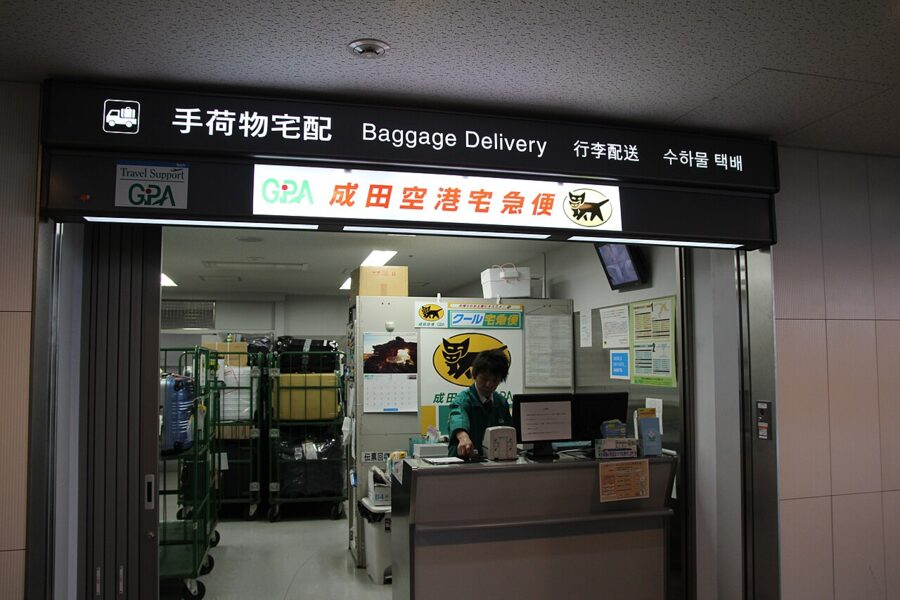
JR West runs its own hands-free services, including same-day delivery that sends bags on the Shinkansen and a real-time locker finder for Osaka, Shin-Osaka, Kyoto, Hiroshima and Hakata stations.
Are there coin lockers at stations?
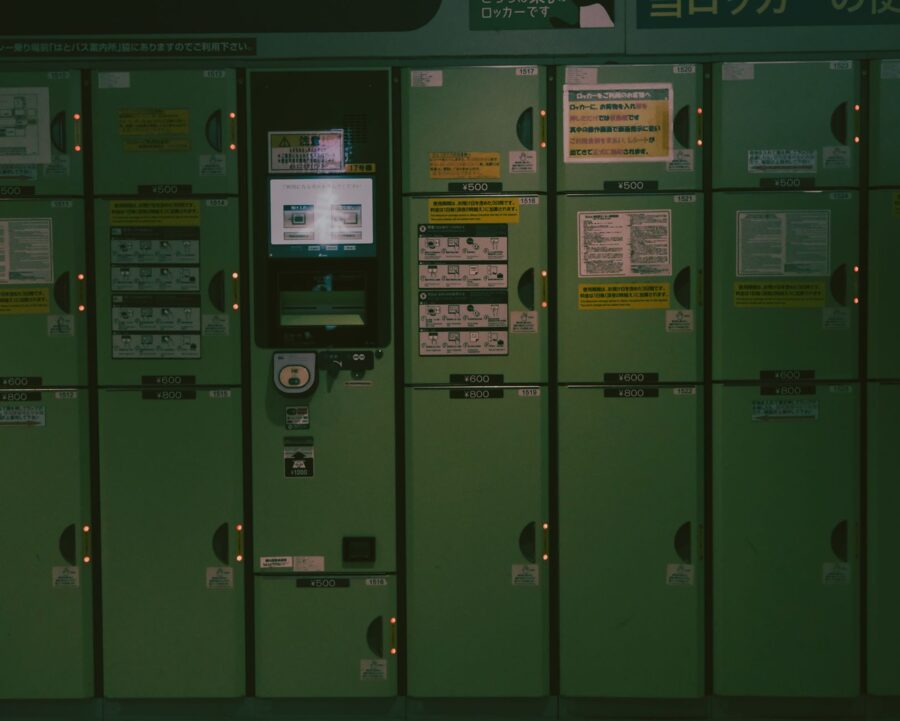
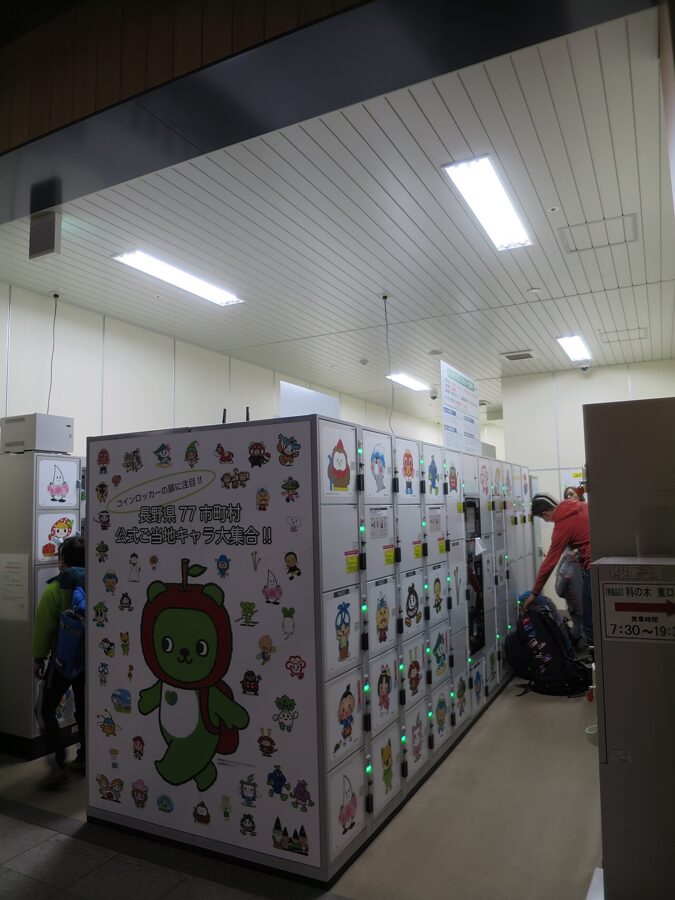
Yes, at nearly every big station and many small ones, in sizes from a daypack to a large suitcase. The large ones go first, so arrive in the morning if you need one. Many lockers now take IC cards instead of coins, and the card you paid with becomes your key.
What is the Shinkansen oversized-baggage rule?
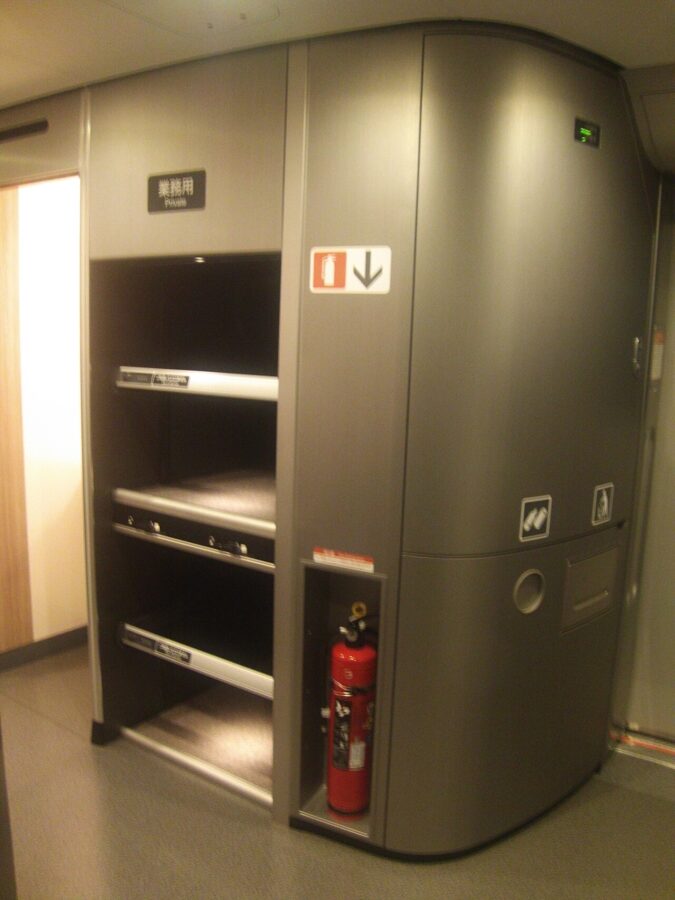
On the Tokaido, Sanyo, Kyushu and Nishi-Kyushu Shinkansen, a bag whose length, width and height add up to more than 160 cm needs a reserved “seat with an oversized baggage area.” That is the last row of a car, where your bag fits behind the seat, and it costs nothing extra. Board without one and JR Central charges a ¥1,000 (about US$6) fee and puts the bag where the crew says. Nothing over 250 cm is allowed on board.
Since July 2025, some deck compartments on 16-car Tokaido and Sanyo trains can be used without a reservation, but only for bags of 160 cm or less. The JR East lines are simpler: JR East’s luggage guide says no reservation is needed on the Tohoku, Hokkaido, Akita, Yamagata, Joetsu and Hokuriku Shinkansen, with up to two items of 250 cm and 30 kg each.
Do I need a SIM card or an eSIM?
You need data, because maps, train apps and taxi apps all depend on it, and an eSIM is the easiest way to get it. Buy a data-only eSIM for Japan before you fly and switch it on when you land; check first that your phone supports eSIM and accepts other carriers. If it does not, airports sell physical data SIM cards and rent pocket Wi-Fi routers at arrival counters, and your home carrier’s roaming plan is the expensive fallback.
Which transport for which trip?
Here is how I would get around on the trips people most often plan. Prices are in the sections above.
| Trip | Best way around | Skip |
|---|---|---|
| Tokyo, Kyoto and Osaka in one to two weeks, returning to Tokyo | IC card in cities, Shinkansen tickets bought a few days ahead | The nationwide Japan Rail Pass |
| Fly into Tokyo, out of Osaka | One one-way Shinkansen ticket, IC card for the rest | Any pass |
| Kyoto, Osaka, Nara and Kobe based in Kansai | ICOCA, or the Kansai WIDE Area Pass for a five-day run of day trips | Shinkansen within Kansai |
| Osaka to Hiroshima, Miyajima and Fukuoka | JR-WEST All Area Pass | Buying point-to-point tickets |
| Mount Fuji or Hakone from Tokyo | Highway bus from Busta Shinjuku, or the private railway lines | A JR pass, which covers neither route fully |
| Takayama, Shirakawa-gō and the Alps | Highway buses, booked ahead for weekends | Driving in winter without snow experience |
| Northern Japan in one or two weeks | JR EAST PASS | The nationwide pass, unless you also go west |
| Hokkaido countryside, rural Kyushu, Shikoku, Okinawa’s islands | Rental car with the right permit | Relying on infrequent rural buses |
| Okinawa or Hokkaido from Tokyo | A domestic flight | A long-distance ferry, unless you have days to spare |
| Traveling with large suitcases | Forwarding the suitcases one hotel ahead | Rush-hour trains with bags |
So: an IC card on your phone, Shinkansen seats bought a few days out, one bus from Busta Shinjuku. The pass only if the map says so. Before you fly, set up the phone card and check whether your suitcase adds up to more than 160 cm; everything else can be bought at the station.