Questions on this page20
- How do I get to Kanazawa from Tokyo?
- How many days do you need in Kanazawa?
- Kenroku-en: hours, fee and the free early opening
- Is Kanazawa Castle Park free?
- Do I need a ticket for the Swimming Pool at the 21st Century Museum?
- Which teahouse district is best: Higashi, Kazue-machi or Nishi?
- What is there to see in the Nagamachi samurai district?
- Is Omicho Market worth it, and when should I go?
- Why is there gold leaf on everything?
- Getting around Kanazawa
- Where should I stay in Kanazawa?
- Did the 2024 Noto earthquake affect Kanazawa?
- Day trips from Kanazawa: Shirakawa-go and the Kaga hot springs
Kanazawa is two and a half hours from Tokyo on one train, and its four big sights, the garden, the castle, the art museum and the old market, sit within a short walk of each other. The question people ask most is not what to see. It is how many nights to give the place, and the answer is two.
One night gets you the garden and the museum in a rush. Two nights let you see Kenroku-en at dawn, when entry is free, and still have a slow morning in the teahouse streets before the tour groups arrive. The fares, hours and rules that follow are as of late 2026, and several of them changed this year.
How do I get to Kanazawa from Tokyo?
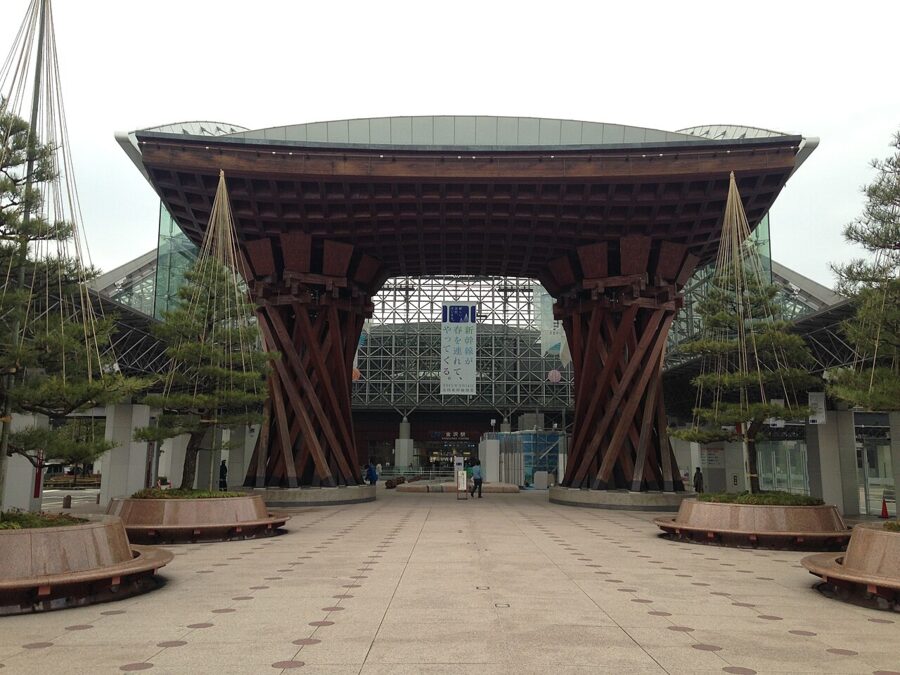
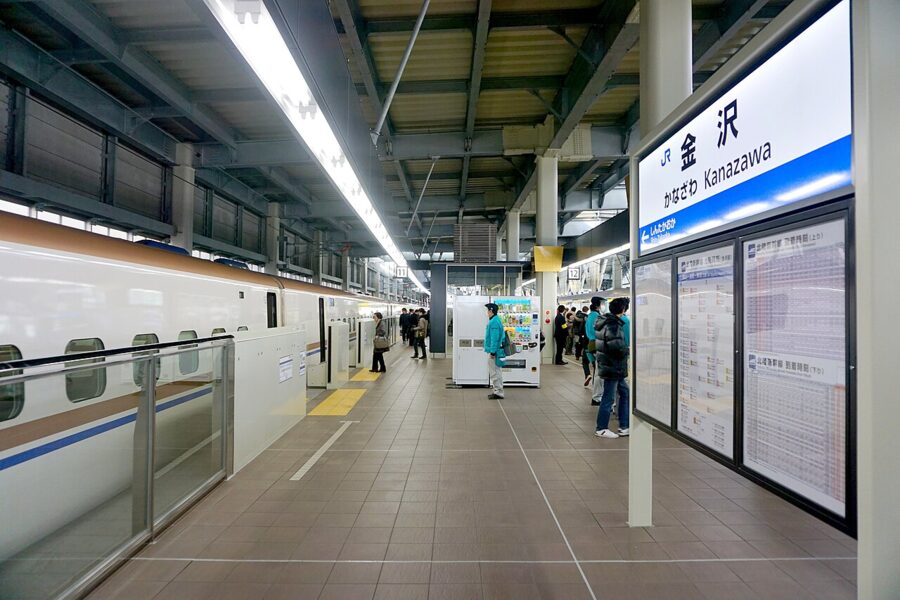
Take the Hokuriku Shinkansen from Tokyo Station. The fast service, the Kagayaki, reaches Kanazawa in about two and a half hours and is all reserved seating. The slower Hakutaka stops more often and takes about three hours, but it has unreserved cars if you want to turn up and go.
As of 2026, after JR East’s fare revision in March, a regular-season reserved seat from Tokyo to Kanazawa costs ¥14,600 (about US$95) one way. An unreserved seat on the Hakutaka is ¥14,070 (about US$90). Reserved seats cost ¥200 less in the off-peak season and ¥200 to ¥400 more at peak times, such as Golden Week, Obon and New Year.
| Train | Time from Tokyo | Seat | Fare, regular season (2026) |
|---|---|---|---|
| Kagayaki | about 2 h 30 min | Reserved only | ¥14,600 |
| Hakutaka | about 3 h | Unreserved | ¥14,070 |
| Hakutaka | about 3 h | Reserved | ¥14,600 |
The full Japan Rail Pass covers both trains, and every train on the Osaka route below. Whether a pass pays for itself depends on the rest of your route, which is a question for getting around Japan rather than for Kanazawa alone.
How do I get to Kanazawa from Osaka or Kyoto?
By the Thunderbird limited express to Tsuruga, then the Hokuriku Shinkansen for the last stretch. Since the Shinkansen extension opened on March 16, 2024, the Thunderbird no longer runs to Kanazawa, so everyone changes at Tsuruga. The Thunderbird reaches Tsuruga from Osaka in about 1 hour 20 minutes, and you change trains inside the same station.
As of October 2026, the regular-season reserved fare for both trains from Osaka is ¥9,410 (about US$60). From Kyoto it is a little under ¥8,000 (about US$50). The old discount for changing between the two trains was abolished with the extension, so the route costs more than it did before 2024. The Thunderbird has no unreserved seats.
Most people slot Kanazawa between Tokyo and Kyoto: back through Tokyo after a night in Hakone or a day at Mount Fuji, north on the Shinkansen to Kanazawa, then west to Kyoto through Tsuruga.
Can I fly?
You can, to Komatsu Airport, with a limousine bus to Kanazawa Station. From Tokyo the train is simpler: center to center, no airport time.
How many days do you need in Kanazawa?
Two days, with one night or ideally two. A single day covers the cluster in the middle of town (Kenroku-en, the castle, the 21st Century Museum and Omicho Market), because those four sit close together. What a day trip loses is everything in other directions: Higashi Chaya across the Asano River, the Nagamachi samurai lanes to the southwest, and the Ninja Temple, which you can only enter on a booked tour.
Here is how I would split two days:
- Day one: Omicho Market for a late breakfast, Kenroku-en, the castle park, the 21st Century Museum in the afternoon, dinner in Katamachi.
- Day two: Higashi Chaya and Kazue-machi early, Nagamachi late morning, Myoryu-ji on your booked slot, Nishi Chaya on the way back.
A third day is for a side trip: Shirakawa-go by bus, or a night at one of the Kaga hot springs. With one day, I would skip the samurai district and keep the teahouse street for late afternoon, when the crowds thin.
Kenroku-en: hours, fee and the free early opening
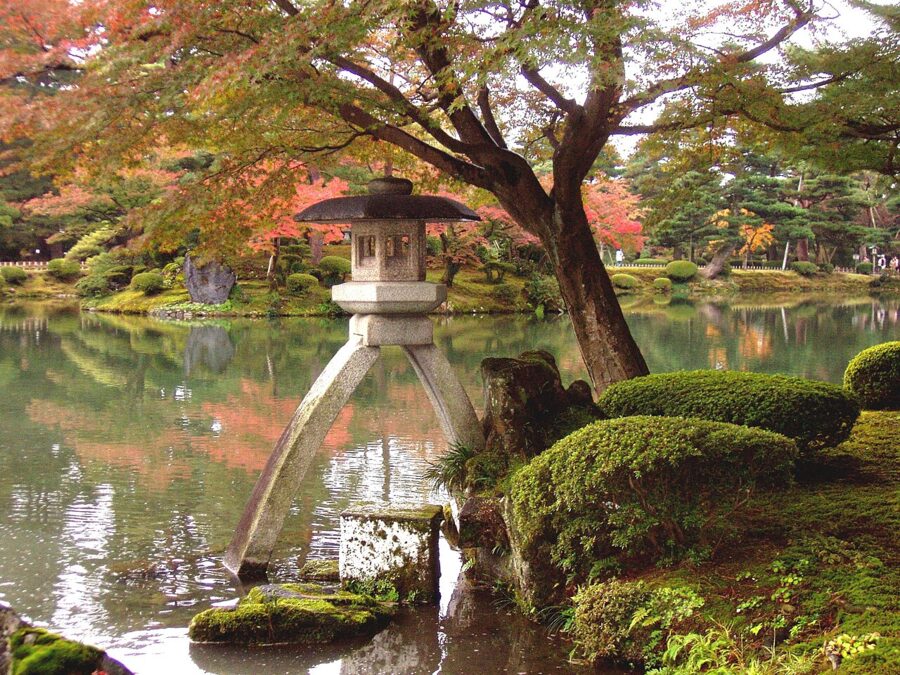
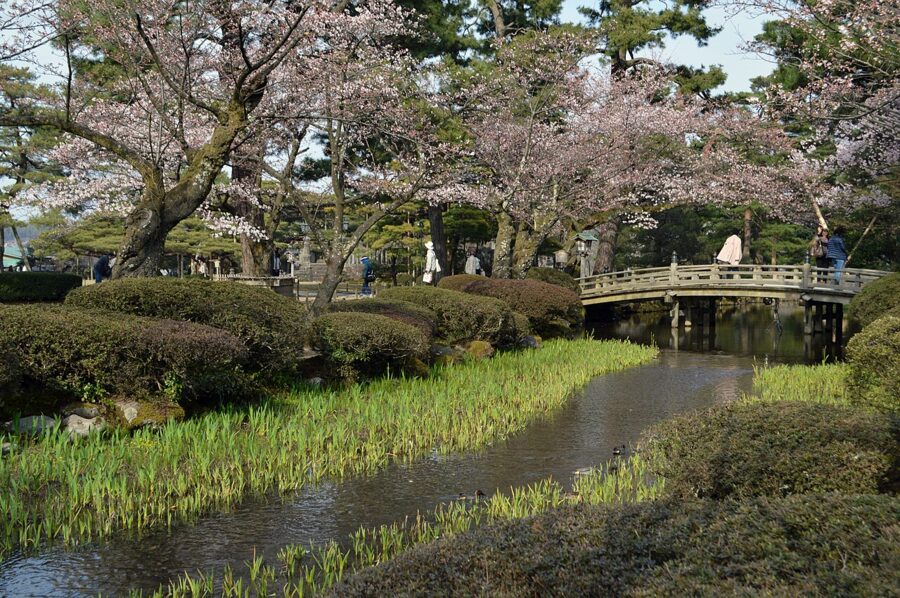
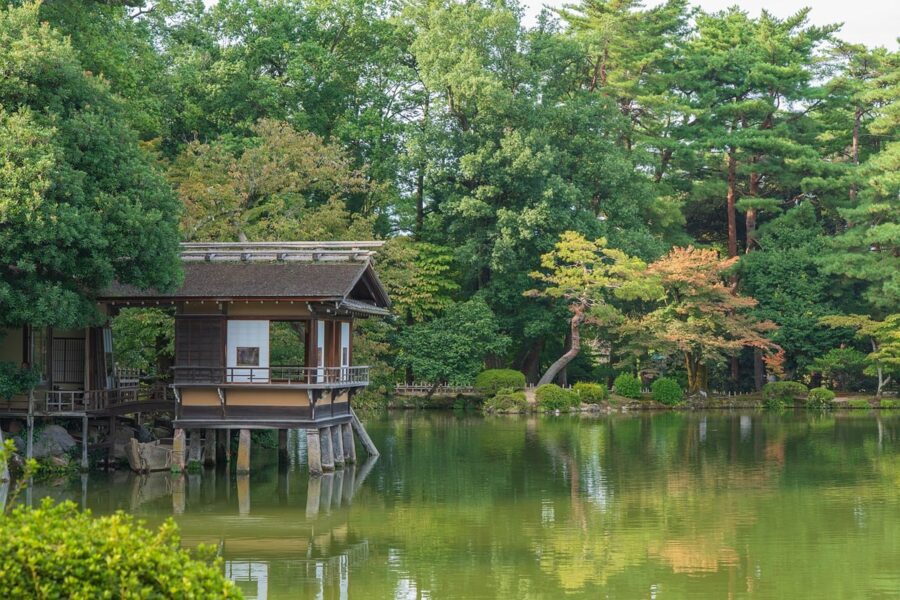
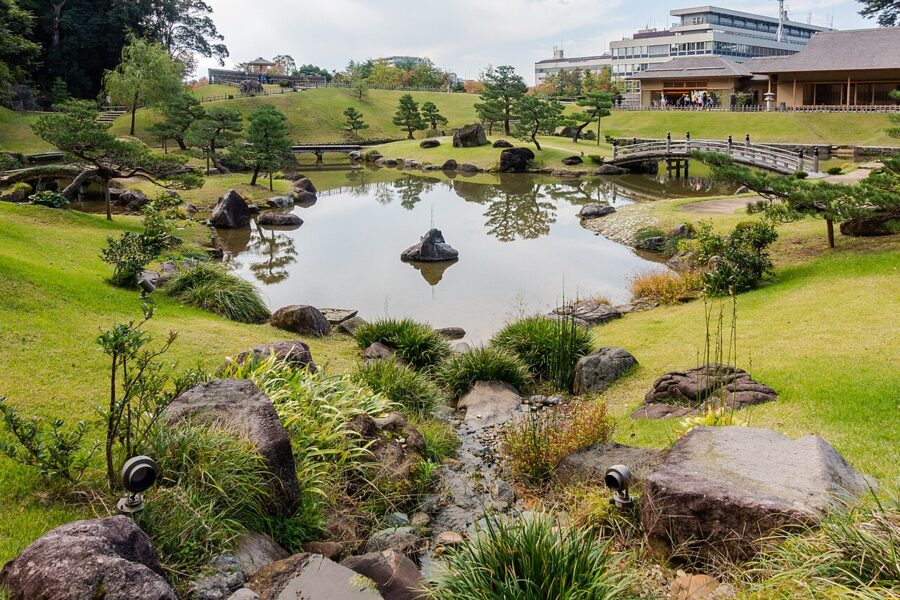
Kenroku-en is open every day of the year. The adult fee is ¥320 (about US$2), and the gates open at 7:00 from March 1 to October 15 and at 8:00 from October 16 to the end of February. It is one of Japan’s three great gardens, and its name means “combining six”: the six qualities a classic garden was meant to balance, such as spaciousness against seclusion.
| Season | Paid hours | Last entry |
|---|---|---|
| March 1 to October 15 | 07:00–18:00 | 17:30 |
| October 16 to end of February | 08:00–17:00 | 16:30 |
Children aged 6 to 17 pay ¥100. Visitors aged 65 and over get in free if they show official ID with their date of birth. Cash and cards are accepted, and the rules are on the prefecture’s Kenroku-en visitor information page.
Can you get into Kenroku-en for free?
Yes, early in the morning. Before the paid hours start, the garden opens free through two gates only, Hasuike-mon and Zuijinzaka, and you have to be out 15 minutes before the ticket booths open. The early opening moves with the season:
| Period | Free early opening | Last entry |
|---|---|---|
| March 1–31 | 05:00–06:45 | 06:30 |
| April 1 to August 31 | 04:00–06:45 | 06:30 |
| September 1 to October 15 | 05:00–06:45 | 06:30 |
| October 16–31 | 05:00–07:45 | 07:30 |
| November 1 to end of February | 06:00–07:45 | 07:30 |
The garden also opens free on a handful of fixed occasions: about a week at the peak of the cherry blossoms, three days of the Hyakumangoku Festival in June, three days at Obon, Culture Day on November 3 and four days at New Year. Exact dates are announced about a week ahead.
Is Kenroku-en worth seeing in winter?
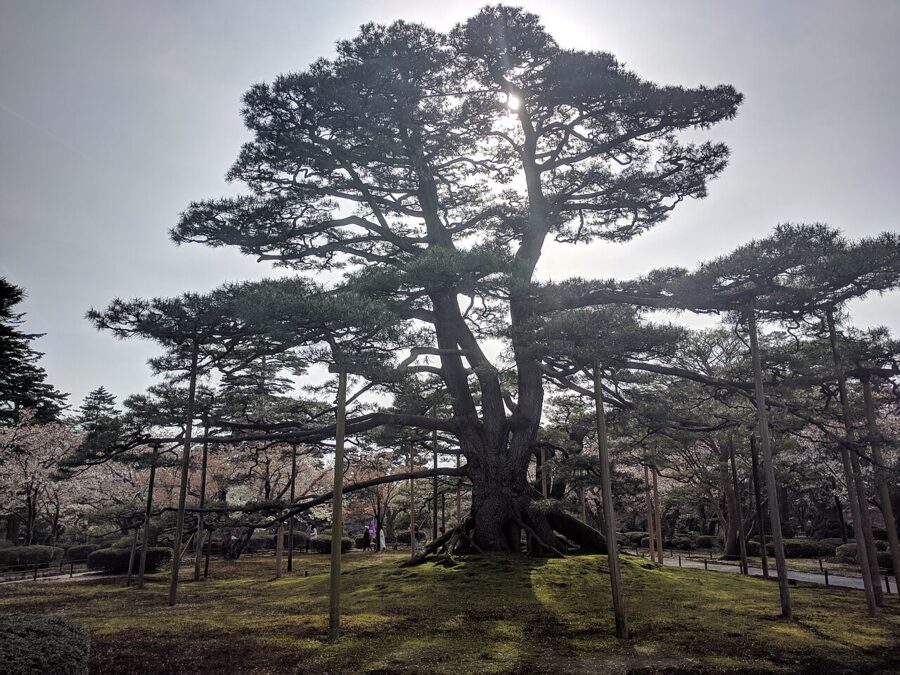
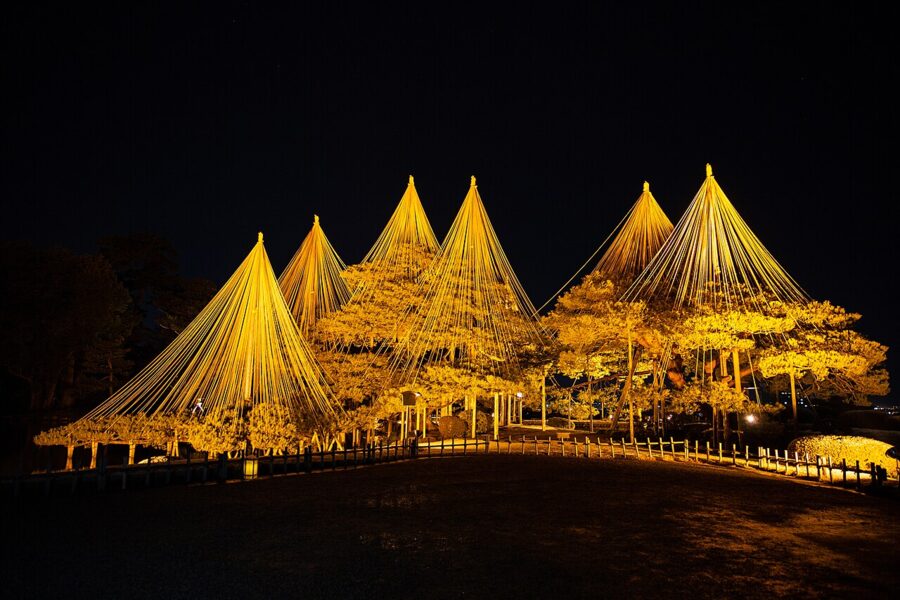
Yes. In early November gardeners start tying the yukitsuri (snow ropes), cones of rope from a pole above each big pine to its branches, so wet snow cannot snap them. On the evenings the garden is lit up, the ropes glow.
An hour covers a loop past the Kotoji-toro lantern and Kasumiga-ike pond. Give it ninety minutes with a tea stop.
Is Kanazawa Castle Park free?
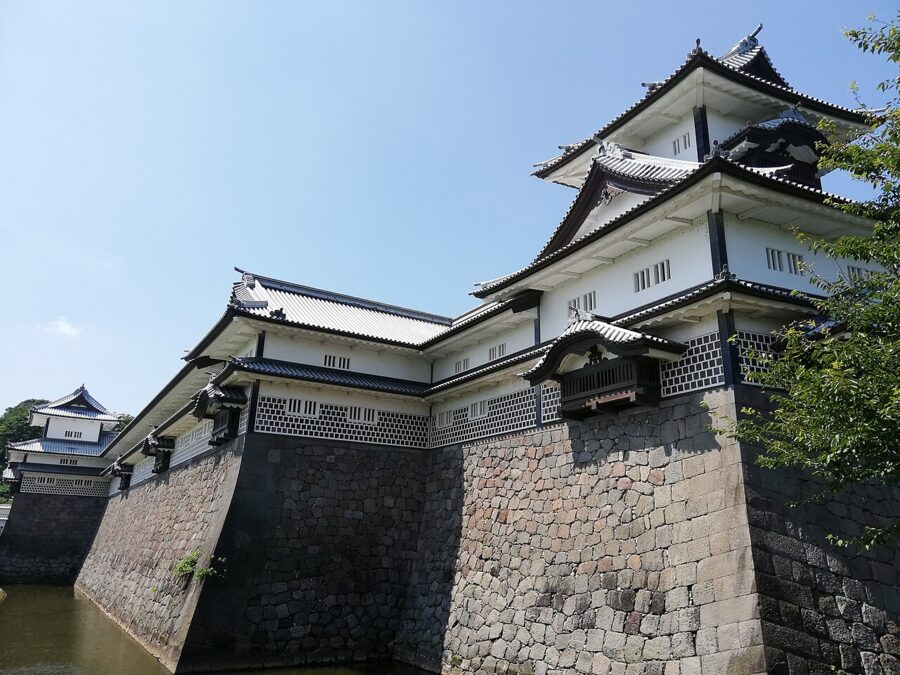
The park itself is free, and it keeps the same seasonal hours as Kenroku-en: 7:00 to 18:00 from March 1 to October 15, and 8:00 to 17:00 the rest of the year. The castle Maeda Toshiie entered in 1583 lost most of its buildings to fire, so what you see mixes survivors and careful rebuilds. The Ishikawa-mon gate, rebuilt in 1788, faces Kenroku-en across the road.
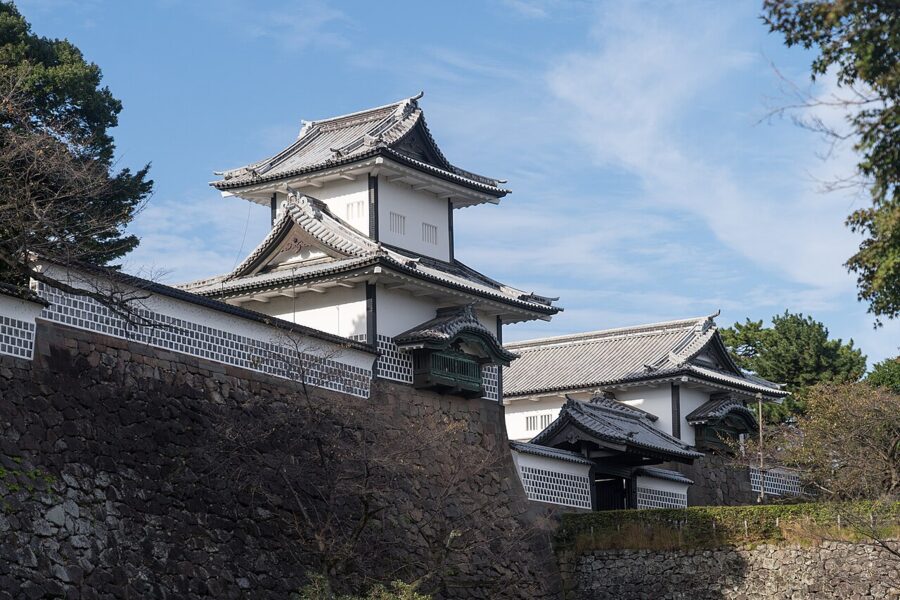
Going inside the reconstructed Hishi-yagura turret and the long Gojikken-nagaya storehouse costs ¥320, the same as the garden, from 9:00 to 16:30 (last entry 16:00). A combined ticket for Kenroku-en and one castle building is ¥500 (about US$3). The rebuilt Kahoku-mon and Nezumita-mon gates are free to enter, and at the Gyokusen-an teahouse a bowl of matcha with a sweet is ¥1,000 (about US$6). The prices are on the castle park’s fee page.
Is the castle lit up at night?
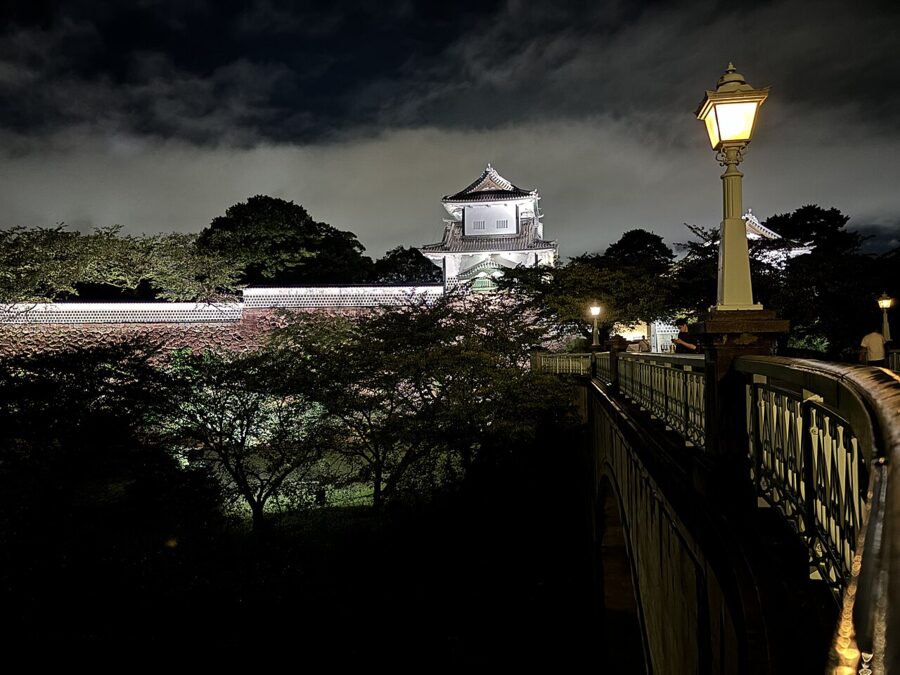
Yes, every Saturday and during busy seasons such as cherry-blossom time, the park stays open from sunset to 21:00, free. The buildings, walls and Gyokusen-inmaru garden are lit. The night opening page lists each year’s dates.
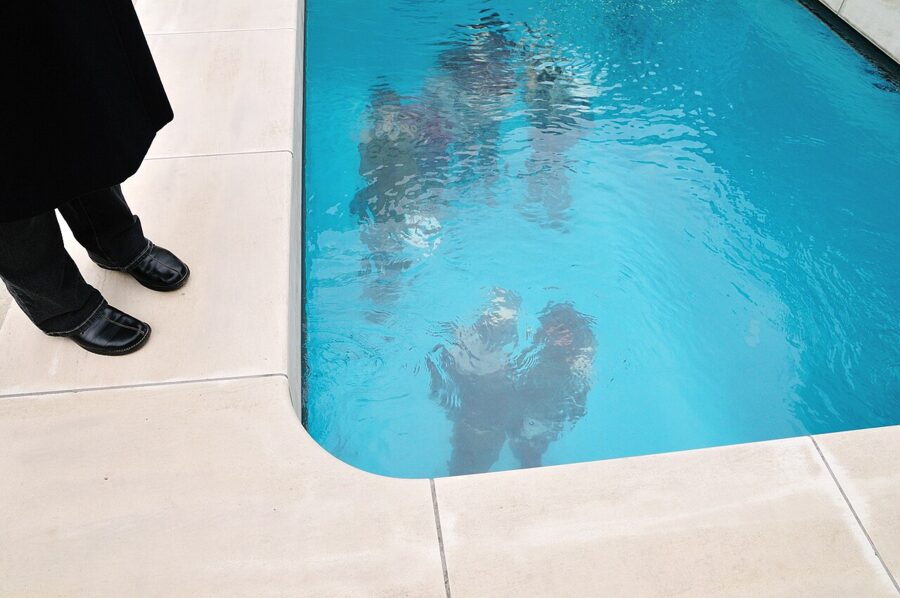
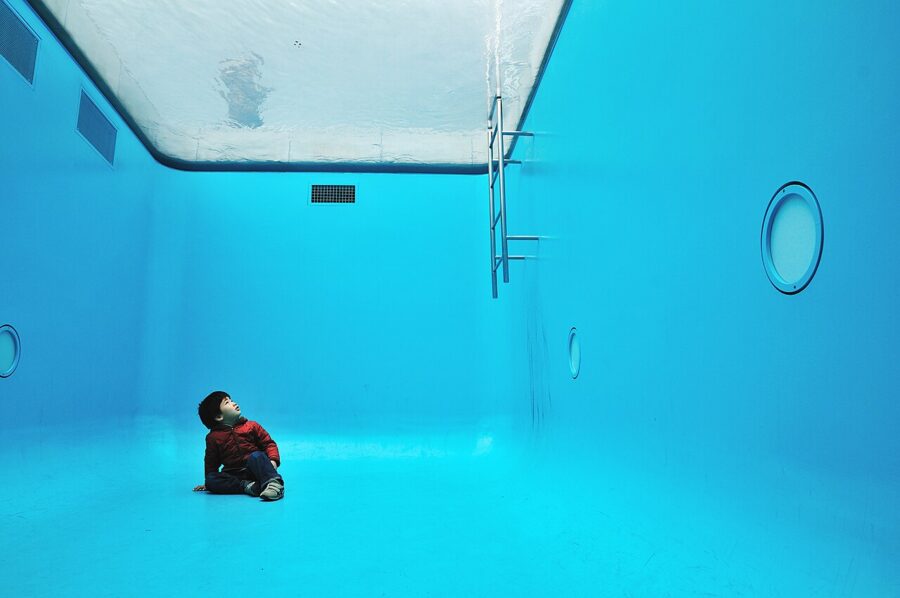
Do I need a ticket for the Swimming Pool at the 21st Century Museum?
To go down under the water, yes, and you cannot book it in advance. You need a paid exhibition ticket, because the entrance to the Swimming Pool by Leandro Erlich is inside the exhibition zone. Then you need a same-day number for a time slot, which you take from a machine by the information desk at the Honda Street entrance or through the museum’s online Swimming Pool reservation page.
Numbers are issued from 9:00 until 17:30, or 19:30 on Fridays and Saturdays, and slots run out on busy days. When your time comes up you go to Exhibition Room 6, and if you are late the slot is canceled. The visit underneath is limited to about five minutes.
The exhibition zone is open 10:00 to 18:00, until 20:00 on Fridays and Saturdays, and closed on Mondays (or the next weekday when Monday is a holiday). The free public zone, with the café and some installations, opens 9:00 to 22:00. The exhibition running from October 31, 2026, to April 18, 2027, costs ¥1,200 (about US$8) for adults, and ticket sales stop half an hour before closing, according to the museum’s visitor information.
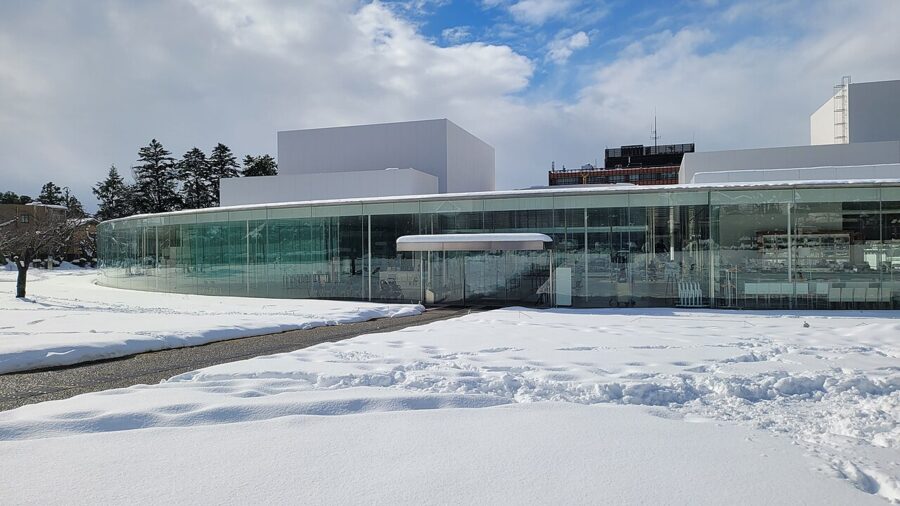
The building, a low glass circle by the architects SANAA, has no front or back. I would go at opening on a weekday, when the line at the number machine is shortest.
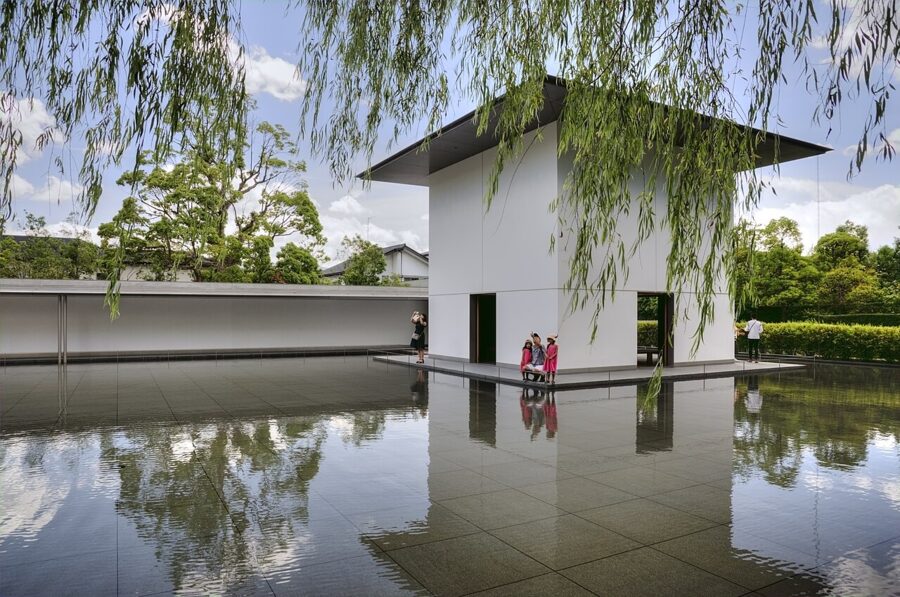
A short walk from the museum, the D. T. Suzuki Museum honors the Kanazawa-born writer who introduced Zen to many Western readers. Most of the visit is sitting by its shallow pool.
Which teahouse district is best: Higashi, Kazue-machi or Nishi?
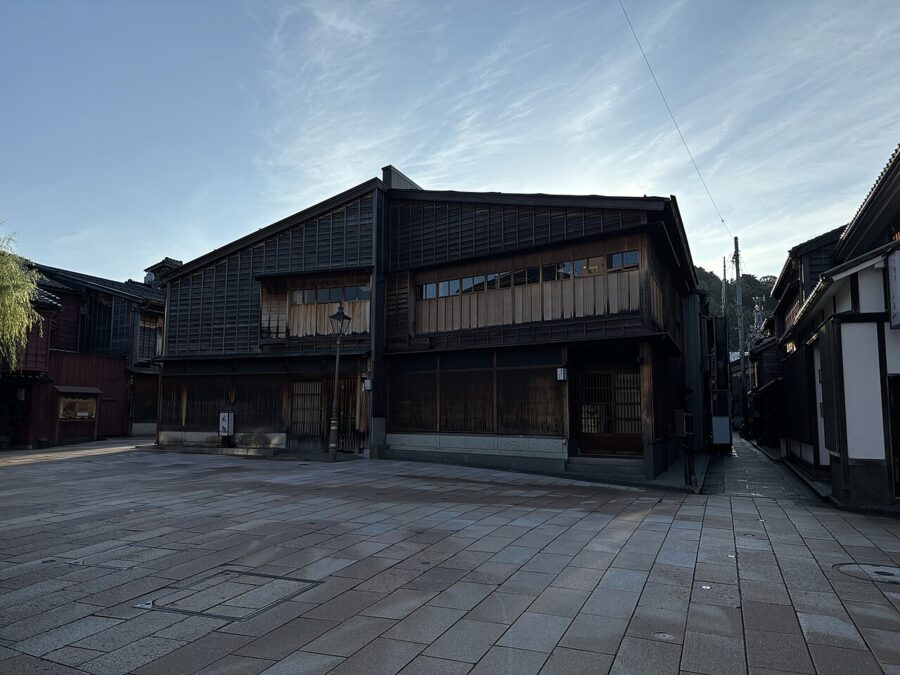
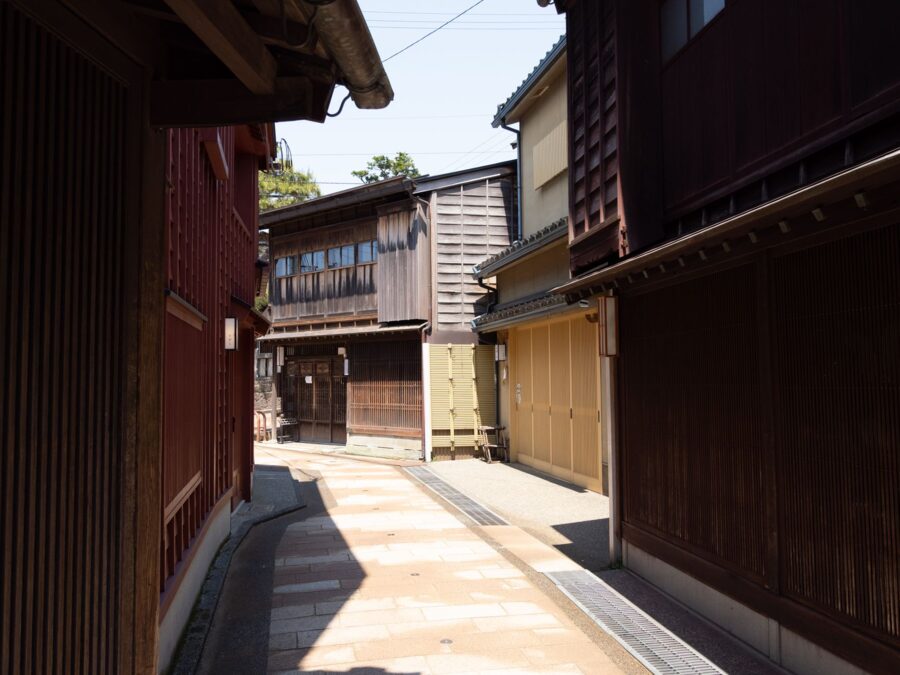
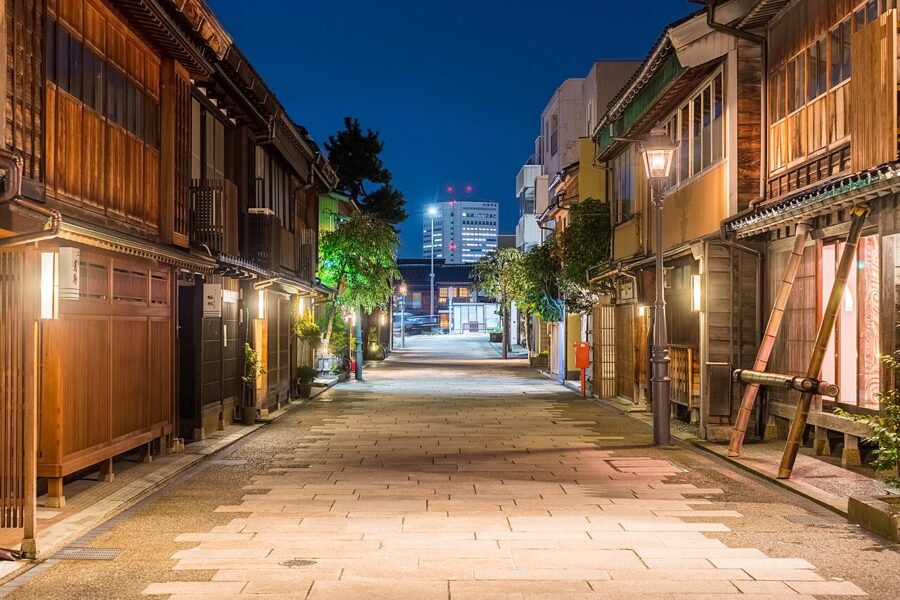
Higashi Chaya first, because it is the largest and the best preserved. The district was laid out in 1820 as a licensed quarter where geiko (Kanazawa’s geisha) entertained guests, and its two-story wooden houses still have the fine wooden lattices on their street fronts. A few still work as teahouses; most now hold cafés and craft shops.
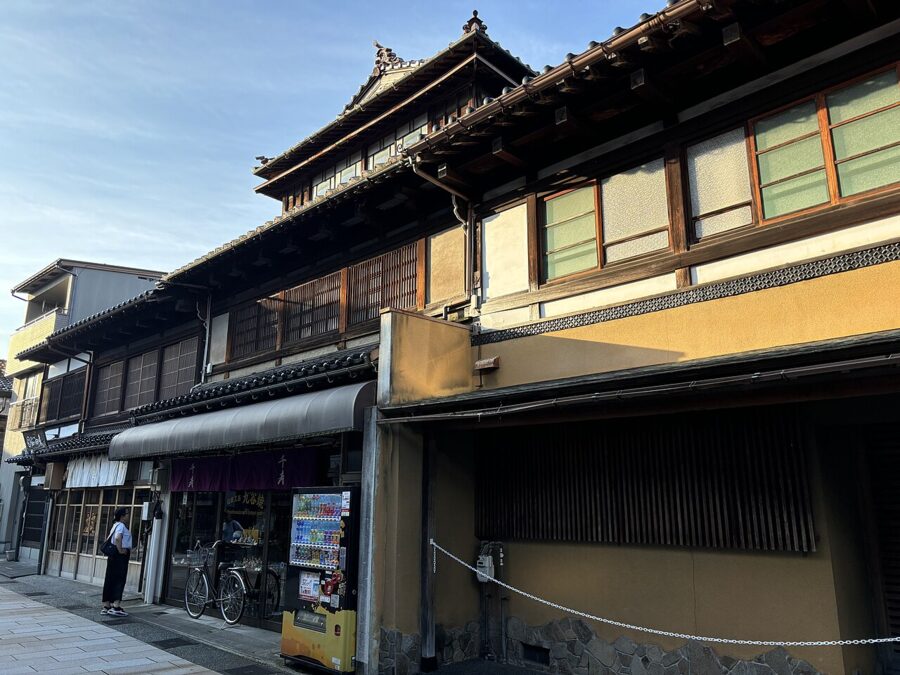
To see the inside of a teahouse, go to Shima, a house built with the district in 1820 and now an Important Cultural Property. As of 2026 it is open every day from 9:30 to 17:30 (to 17:00 from December to February), and entry is ¥500 (about US$3) for adults and ¥300 for children, according to Visit Kanazawa’s page on Shima. Allow 15 minutes, more for the tea and sweets, which cost extra.
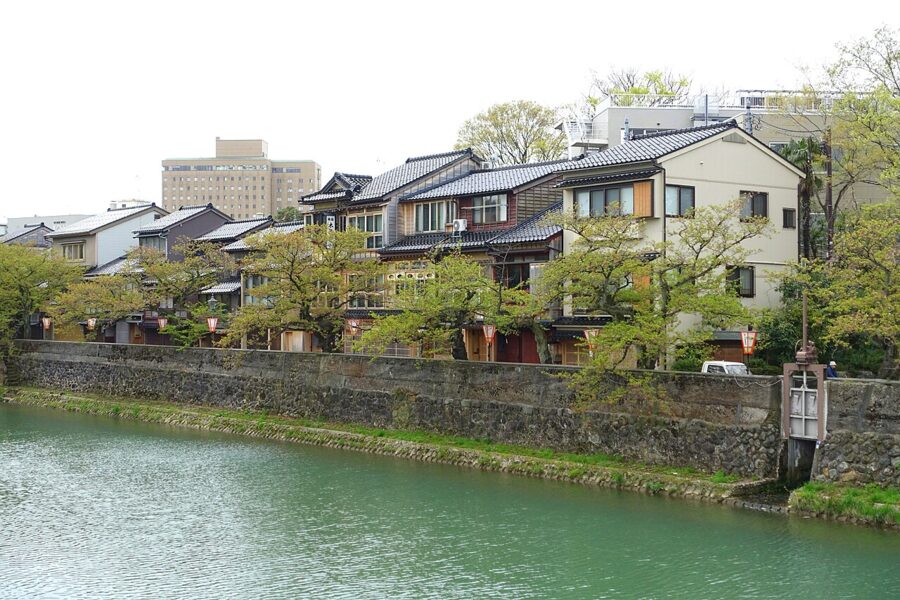
Kazue-machi is a single row of teahouses along the Asano River, a few minutes from Higashi Chaya, with almost no shops: walk it at dusk. Nishi Chaya, across town near Myoryu-ji, is a short, quieter street that fits a day with the samurai district.
Can you see geiko in Kanazawa?
Sometimes, in the early evening, on the way to an appointment. Do not follow them or block the way for a photo; the streets are where they work.
What is there to see in the Nagamachi samurai district?
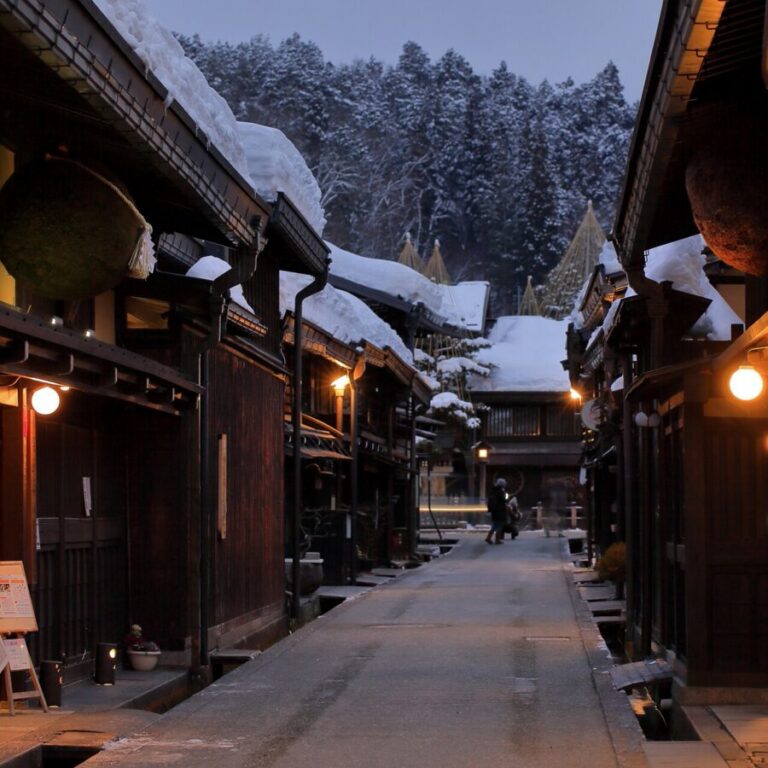
Earthen walls, narrow lanes and a stone-lined canal, the Onosho, where the Maeda lords’ middle-ranking samurai lived. An hour covers it on foot. In winter the walls are wrapped in straw matting against frost, and that is when I like it best.
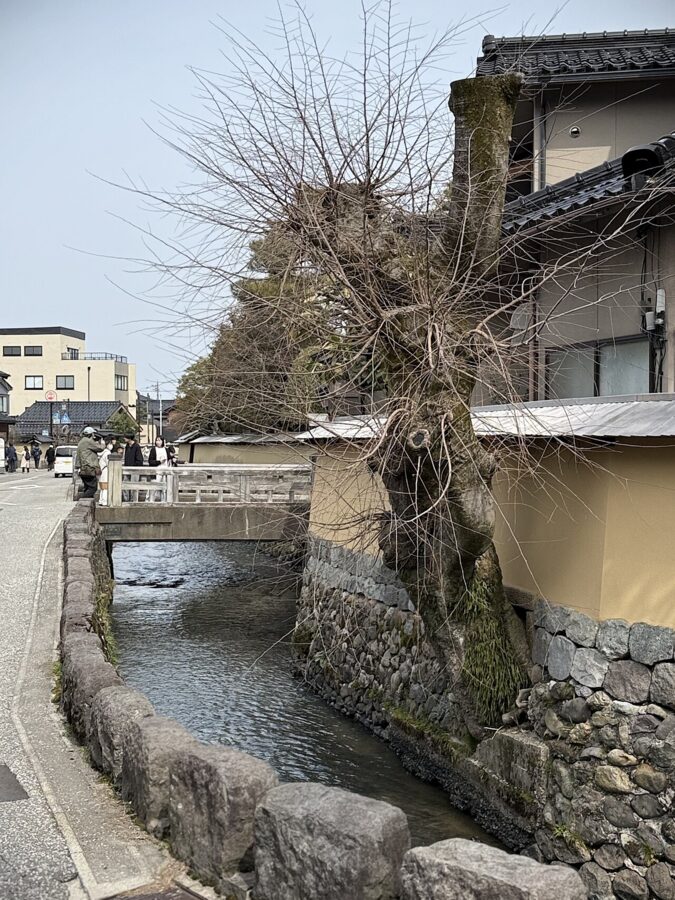
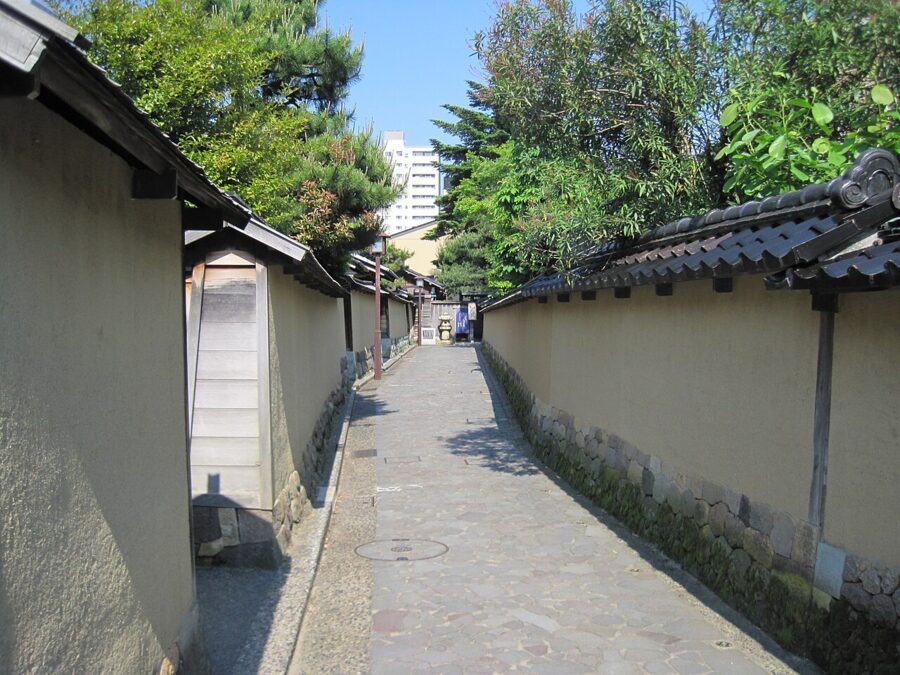
The one house to go inside is the Nomura family residence, known for a small garden that runs right up to the veranda. Its owners have announced on the Nomura house website that the adult fee will rise to ¥750 (about US$5) from April 1, 2027, with ¥350 for elementary and junior high students.
Do I need to book the Ninja Temple?
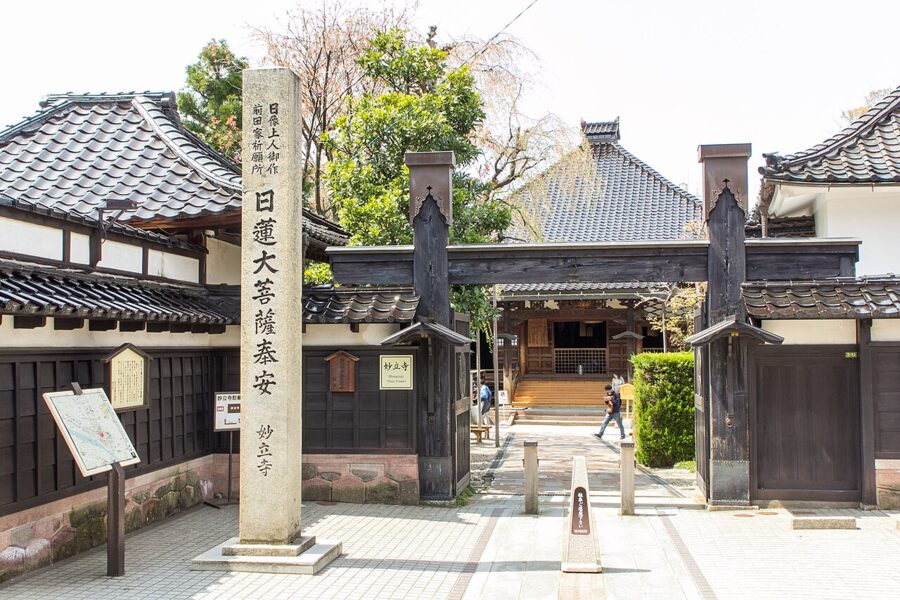
Yes. Myoryu-ji, the “Ninja Temple” near Nishi Chaya, can only be seen on a guided tour by reservation, and as of mid-2026 tours run between 9:00 and 16:00 at ¥1,200 for adults. Children below school age are not admitted. The temple has no ninja connection at all: it was built in 1643 for the third Maeda lord, with hidden stairs, trap doors and lookout points, because it doubled as a defensive outpost for the castle.
Is Omicho Market worth it, and when should I go?
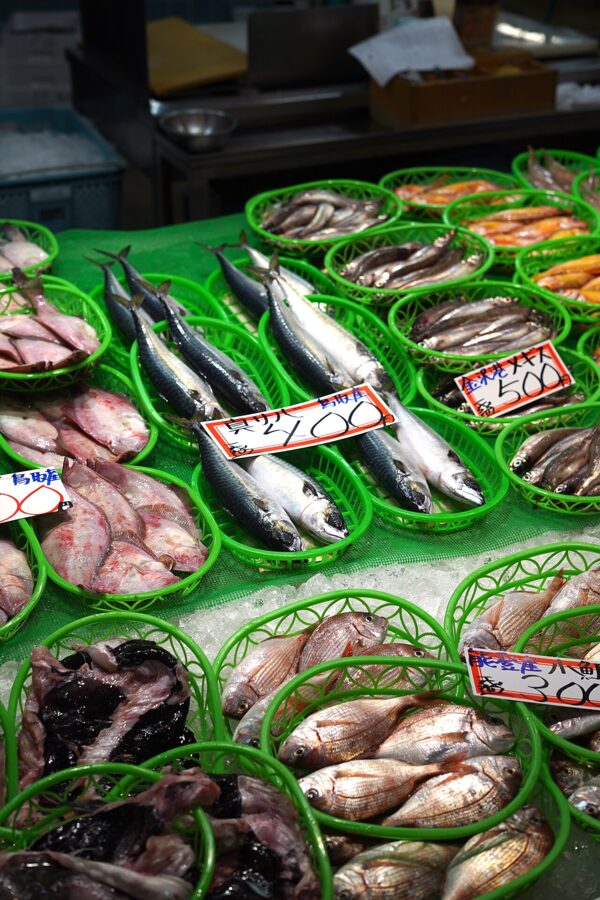
Yes, and go in the morning. Omicho has been Kanazawa’s food market for about three hundred years, and around 170 shops line its covered lanes, selling fish, crab, vegetables and prepared food. It sits at Musashigatsuji, about 15 minutes on foot from Kanazawa Station or a few stops by bus, as the market’s own site describes.
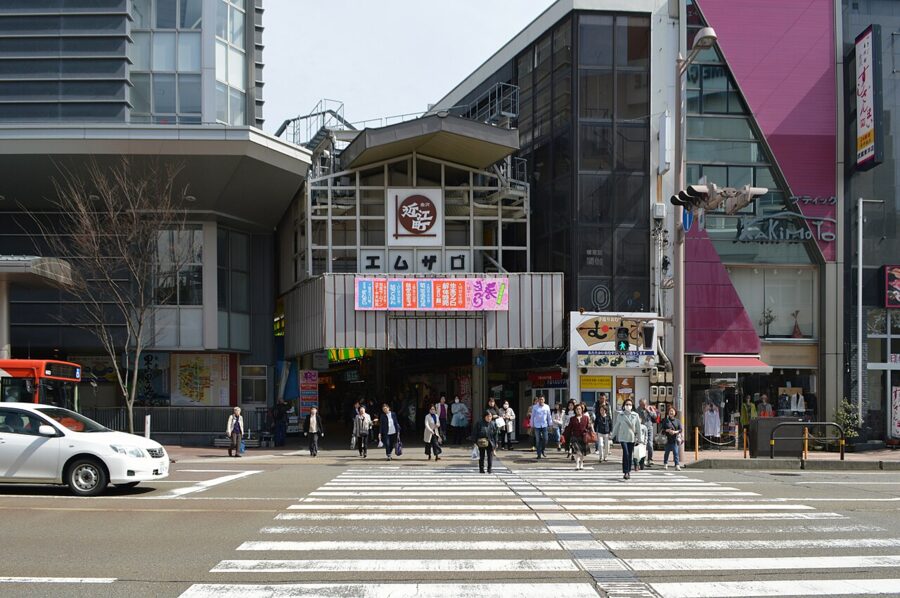
Each shop keeps its own hours and days off. The market asks you not to eat while walking: eat your grilled oyster or croquette at the stall or in a seating area.
What food is Kanazawa famous for?
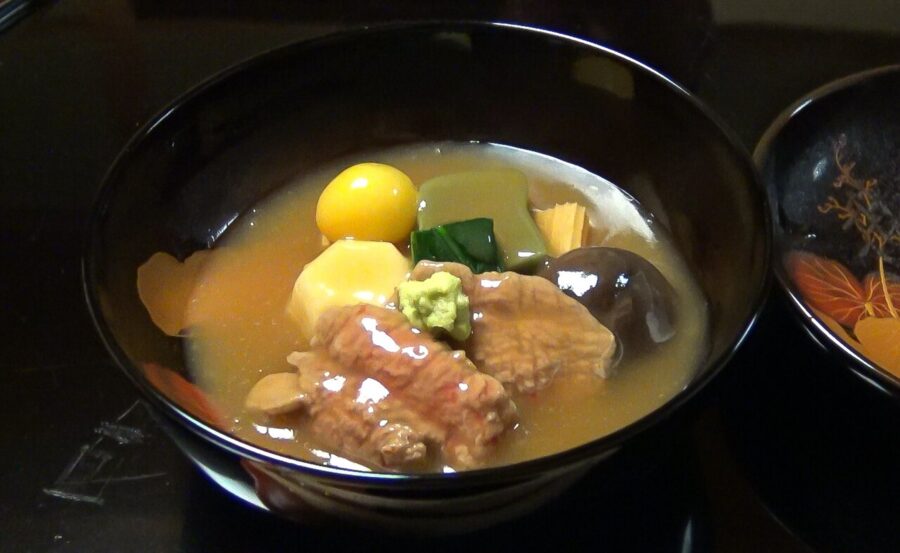
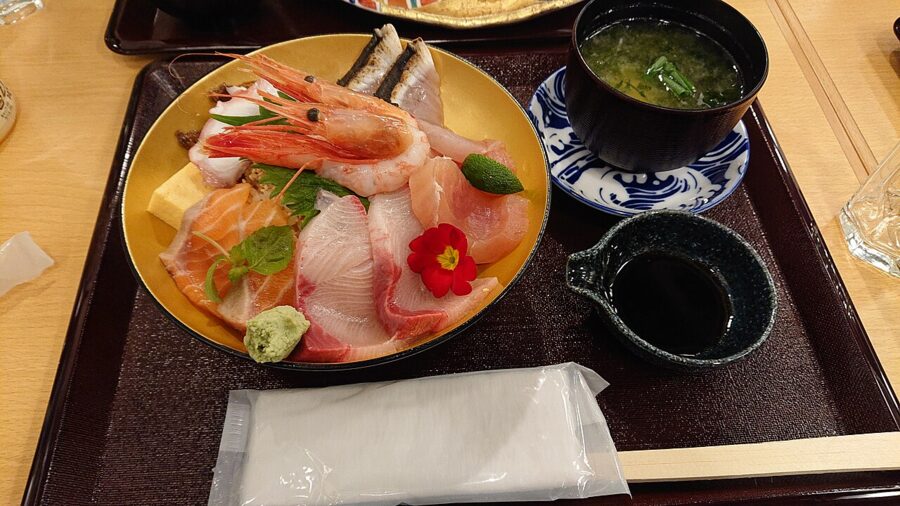
Seafood first. Look for kaisendon (raw seafood over rice), nodoguro (blackthroat seaperch), sweet amaebi shrimp and, from early November, the local snow crab. Jibu-ni, a duck stew thickened with flour, is the classic Kaga dish.
Why is there gold leaf on everything?
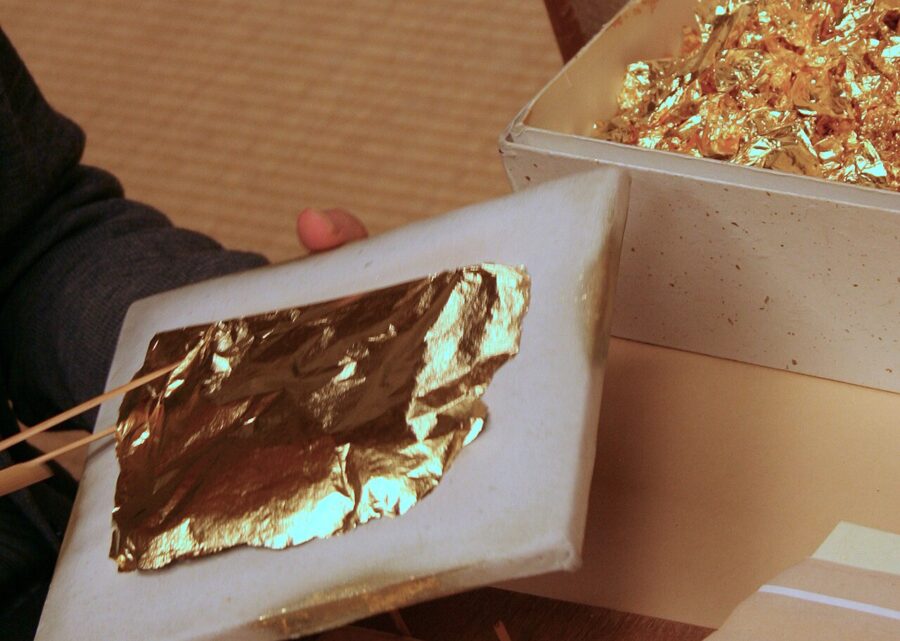
Because Kanazawa makes almost all of it. The city produces more than 99 percent of Japan’s gold leaf, a trade that goes back to 1593, when the first Maeda lord had it made here. The traditional technique for beating the sheets is so fine that a sheet held up to the light is nearly transparent, and in 2020 it was inscribed by UNESCO as part of Japan’s traditional skills for conserving wooden buildings.
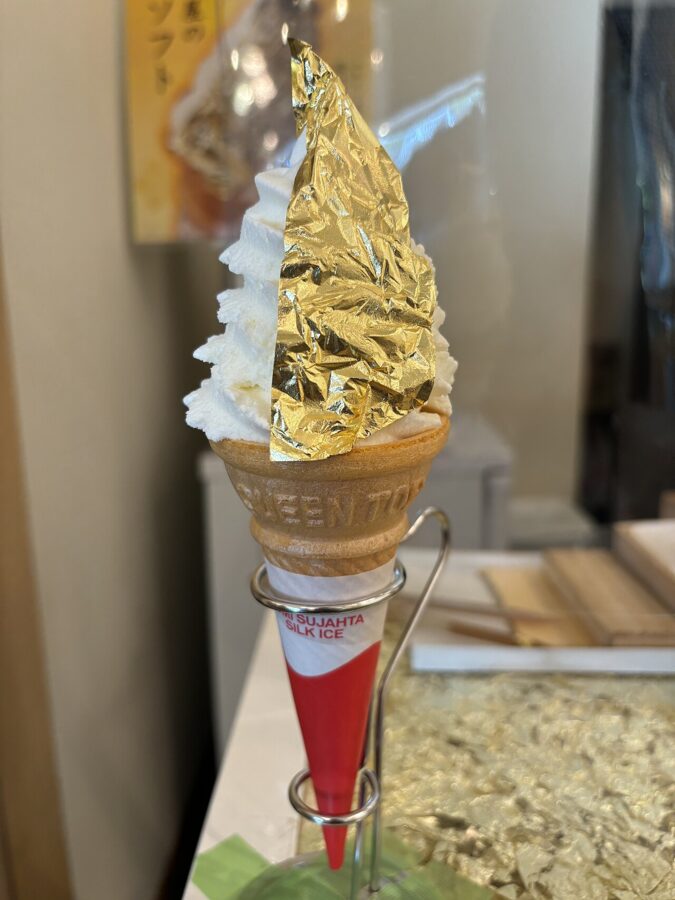
You will meet it on ice cream, sweets and sake. The workshops around Higashi Chaya are more interesting: you press leaf onto chopsticks or a small box through a stencil and brush off the loose gold.
Getting around Kanazawa
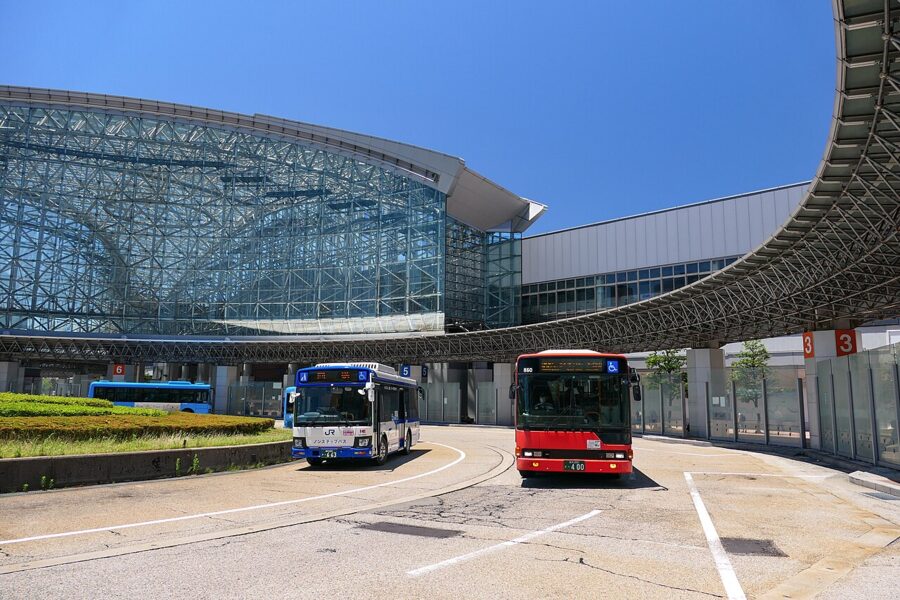
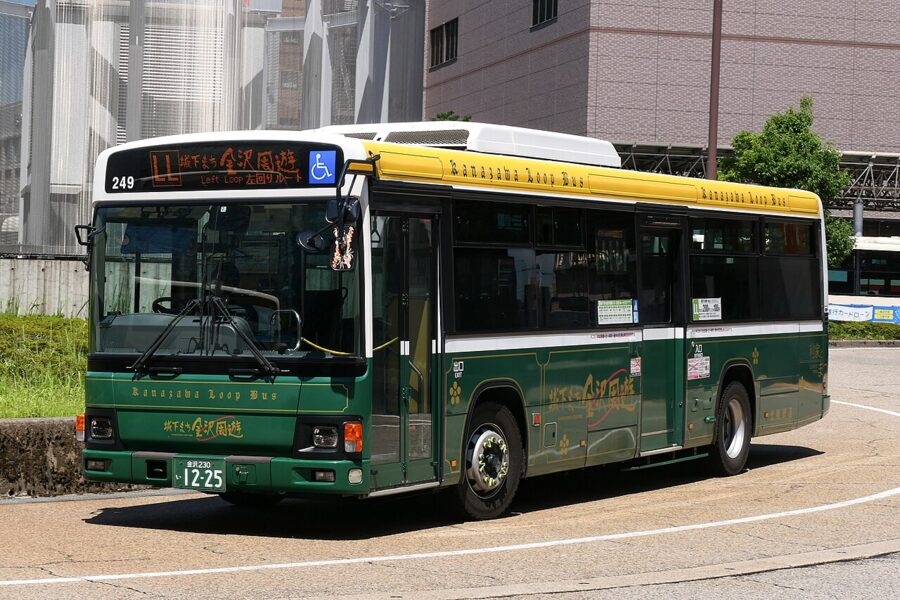
On foot in the center, by bus for the rest. Kanazawa has no subway, and the sights spread in three directions from Kenroku-en. The bus most visitors use is the Kanazawa Loop Bus (Jokamachi Kanazawa Shuyu Bus), from stand 7 at the station’s east exit.
As of 2026, a single ride on the loop bus costs ¥220 (about US$1.50). The right-hand loop, which runs Higashi Chaya, then Kenroku-en and the castle, then the 21st Century Museum, comes about every 15 minutes, and the left-hand loop about every 20. The one-day pass is ¥800 (about US$5) for adults and ¥400 for children, and it also covers the Kanazawa Flat Bus, the weekend Shopping Bus and most city buses in the center. It pays off from your fourth ride.
Bikes are the other good option, since the city is flat. Machi-nori, the public bike share, costs ¥165 (about US$1) for each 30 minutes, or ¥1,650 (about US$11) for a one-day pass with no time limit until midnight, according to Machi-nori’s price page. Until March 31, 2027, the city’s Norimasshi Kanazawa app sells a digital ticket combining the bus pass and the bike pass for ¥2,000 (about US$13) instead of the usual ¥2,450, as the city’s April 2026 announcement explains.
| Option | Price (adult, 2026) | Best for |
|---|---|---|
| Loop bus, single ride | ¥220 | One or two hops |
| Kanazawa one-day bus pass | ¥800 | Four rides or more |
| Machi-nori, pay as you go | ¥165 per 30 min | Short rides between ports |
| Machi-nori one-day pass | ¥1,650 | A full day on a bike |
| Bus pass plus bike pass (app) | ¥2,000 to March 31, 2027 | Mixing both |
Where should I stay in Kanazawa?
Near Kanazawa Station if you arrive late, leave early or plan the Shirakawa-go bus. Korinbo and Katamachi, in the middle of town, are a short walk from Kenroku-en and Nagamachi, and Katamachi is where the restaurants and bars are. For two nights, that is my pick.
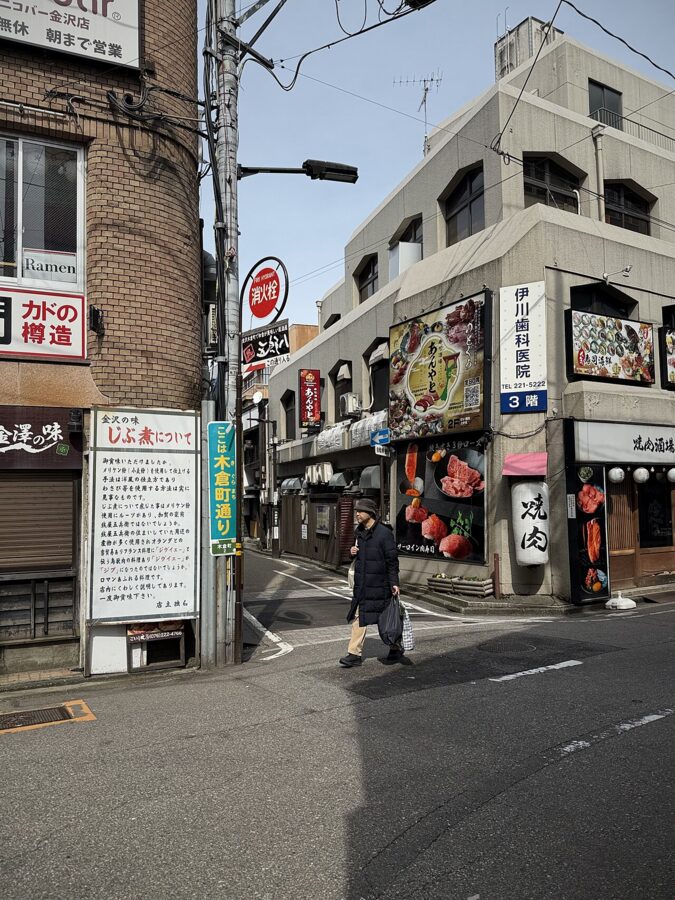
Around Higashi Chaya there are guesthouses in old wooden townhouses. You wake up with the teahouse street empty, but it is a bus ride from the station.
Did the 2024 Noto earthquake affect Kanazawa?
Kanazawa itself is open as normal. The earthquake of January 1, 2024, had its worst shaking far to the north on the Noto Peninsula, where Wajima and Shika recorded the top intensity of 7, while Kanazawa recorded an upper 5. The garden, castle park, museum and market keep their usual hours.
Noto is a different story, and a careful one. Heavy rain on September 21, 2024, did further damage to the same towns. In January 2026 the government’s Hokuriku finance bureau survey found that only nine of the twenty member inns at Wakura Onsen had reopened to the public, with about 30 percent of the old room count, and that Wajima’s tourist association knew of only a dozen or so places able to take tourists. Wajima’s morning market street burned in the fire after the quake and is still being rebuilt, while its traders have held pop-up markets in other towns.
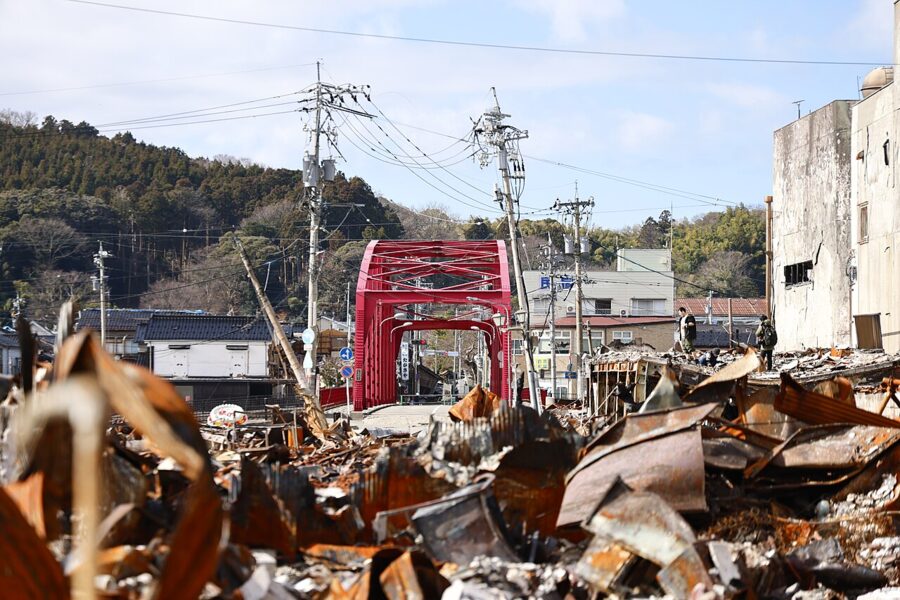
If you want to go to Noto, go: the reopened inns need guests. Book your room first, check roads and trains shortly before leaving, and expect fewer places to eat than older guides list. On a two- or three-day first visit, I would leave Noto for another trip.
Day trips from Kanazawa: Shirakawa-go and the Kaga hot springs
How do I get to Shirakawa-go from Kanazawa?
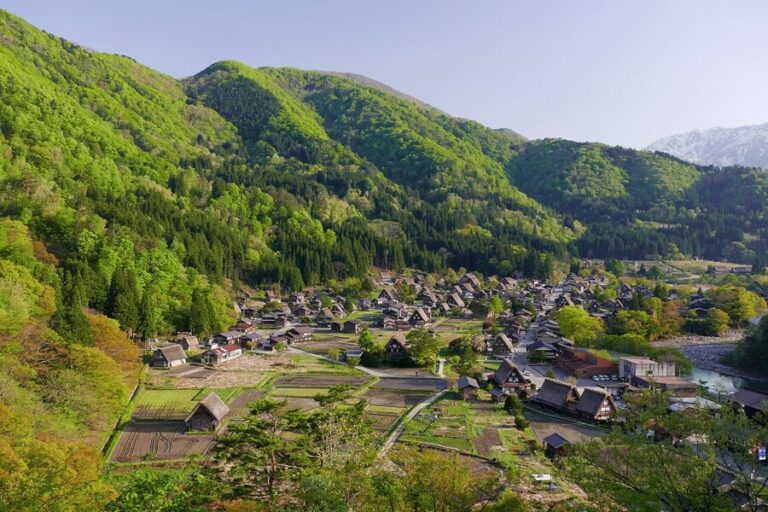
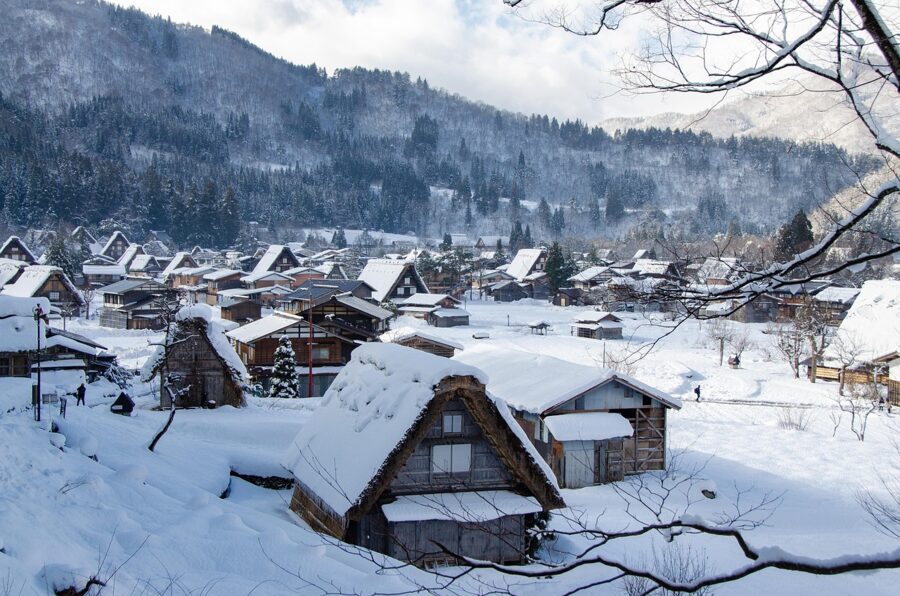
By highway bus from Kanazawa Station, in about 1 hour 15 minutes to 1 hour 25 minutes. The one-way adult fare is ¥2,800 (about US$18) through November 30, 2026, and ¥2,900 from December 1, 2026, with about ten departures a day from Kanazawa Station under the timetable that starts on December 1. Every seat on the Kanazawa line is reserved, through Japan Bus Online or the Hokuriku Railway reservation center; the Nohi Bus Shirakawa-go timetable lists the departures.
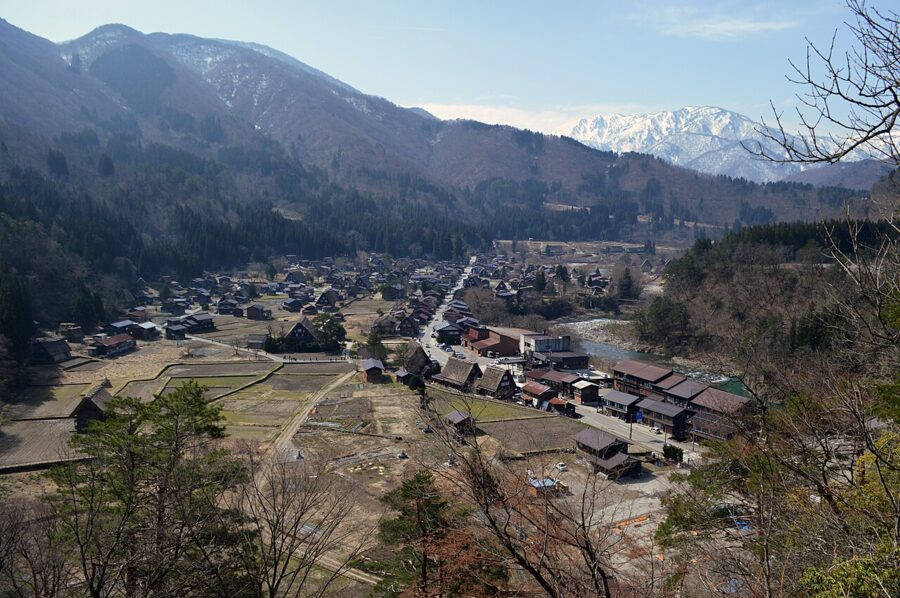
Book reserved buses as soon as you know your date. The operator warns of delays of two hours or more in heavy traffic and snow, so avoid a tight train connection that day.
What about an onsen night?
Kaga’s hot-spring towns, Yamanaka, Yamashiro and Katayamazu, got easier to reach in 2024, when the extension added Kaga-Onsen Station; local buses and the Can Bus loop run out from there. For one night I would pick Yamanaka, with its path along the Kakusenkei gorge.
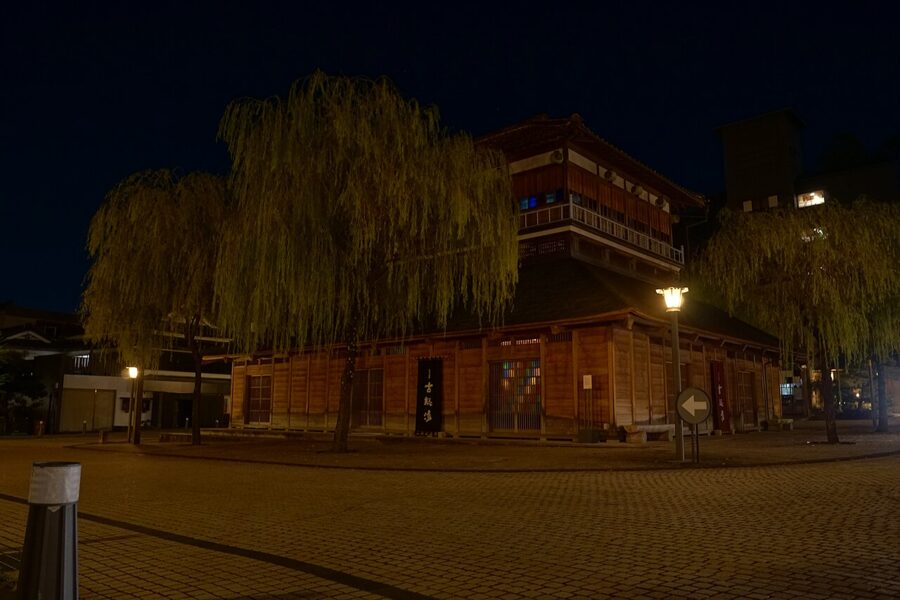
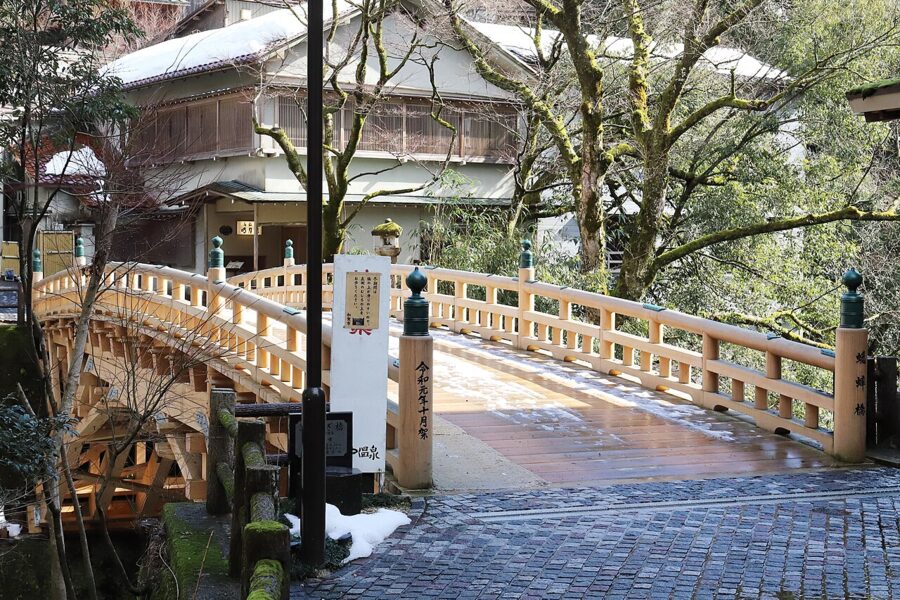
So: two nights. Reserve the Kagayaki seat from Tokyo, or both legs from Osaka, as soon as your dates are firm. Then set an alarm for the Hasuike-mon gate of Kenroku-en, where the early opening is free and the garden is yours for an hour.