Questions on this page21
- Where is Hakuba, and what is the Hakuba Valley?
- How do I get to Hakuba from Tokyo?
- Do I need to book the bus, and when?
- Where do the buses stop in Hakuba?
- Which Hakuba ski resort should I choose?
- How much is the Hakuba Valley lift pass?
- When is the best snow?
- What is there to do in Hakuba in summer?
- Where should I stay in Hakuba?
- Are there onsen in Hakuba?
- How do I get around the valley?
- When should I go to Hakuba?
The direct bus from Busta Shinjuku takes a little over five hours to reach Hakuba and costs roughly half as much as the Shinkansen-and-bus route, which does it in under three. That trade of time against money is the first thing almost everyone asks about Hakuba, and the answer shifts with the season. In winter the buses fill and the valley runs on lift passes and shuttle buses. In summer the same lifts carry hikers to a pond at 2,060 meters.
Below are the questions people ask about Hakuba, answered with timetables, fares and dates as of November 2026.
Where is Hakuba, and what is the Hakuba Valley?
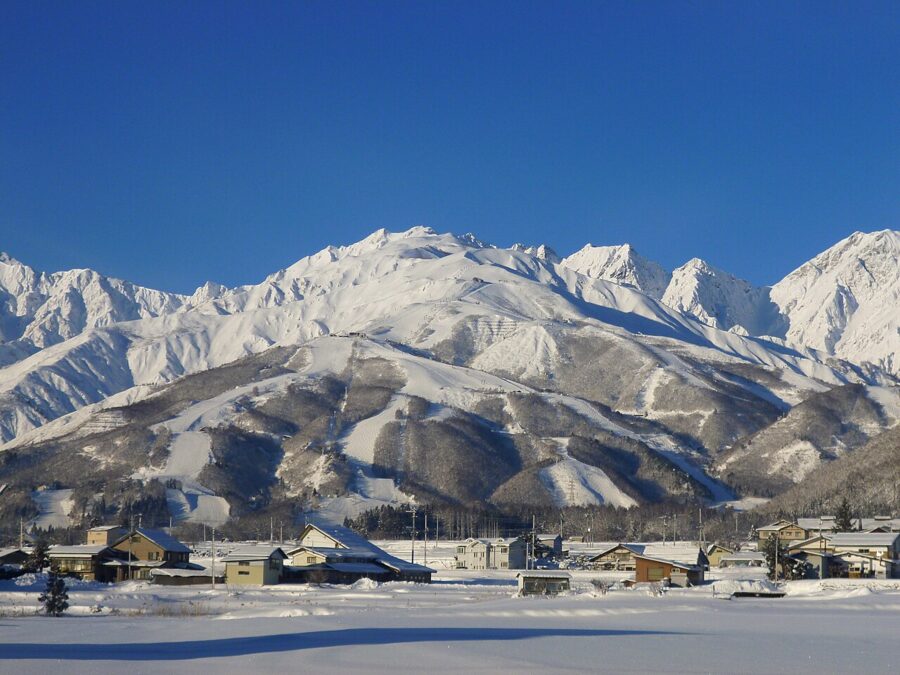
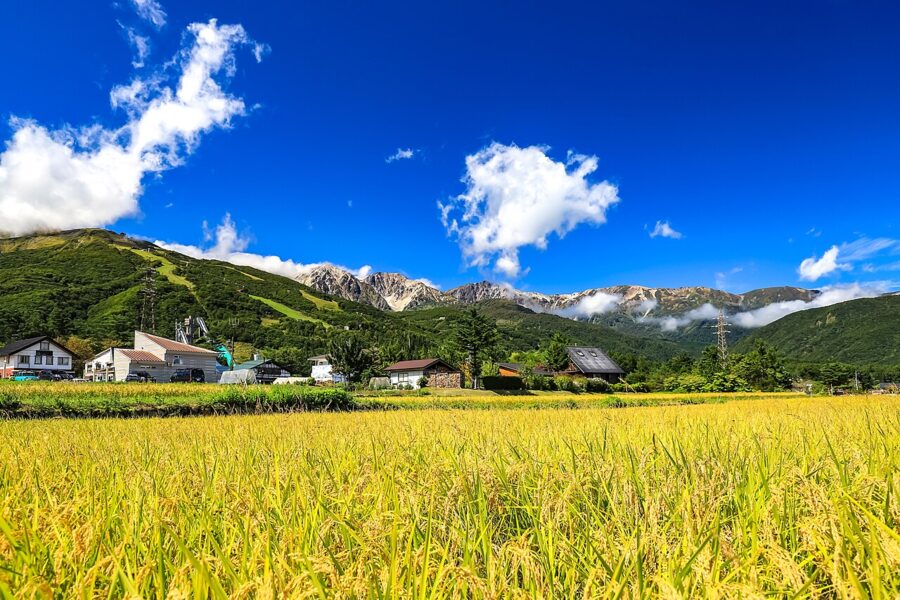
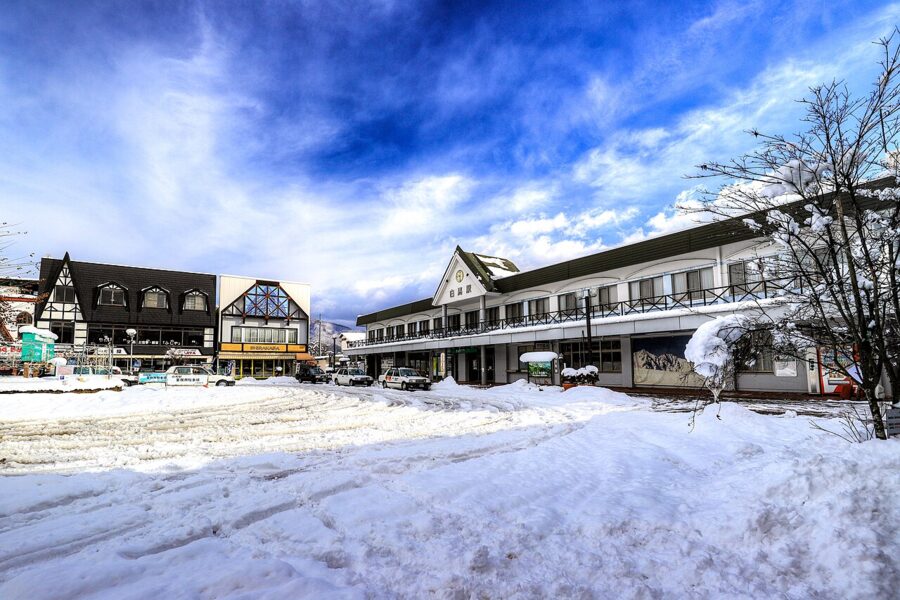
Hakuba sits in northwestern Nagano Prefecture, under a wall of peaks close to 3,000 meters. The village floor is at about 700 meters, and the JR Oito Line runs through it on its way from Matsumoto to the Sea of Japan coast. Nagano City is about an hour and a quarter east by bus.
“Hakuba Valley” is the name the ski resorts use together. It covers ten areas spread over Hakuba village and its neighbors, Otari to the north and Omachi to the south, all on one shared lift pass. Most of them are not connected by lifts, so you move between them by shuttle bus or car.
How do I get to Hakuba from Tokyo?
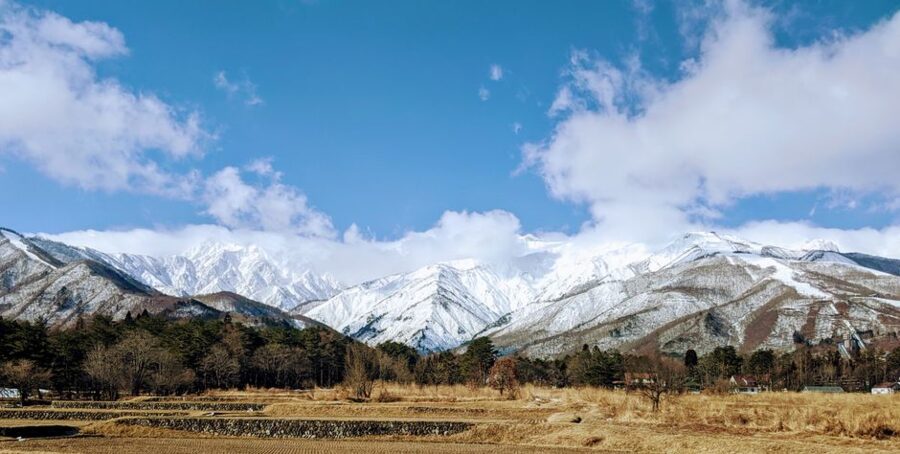
Three ways: the Shinkansen to Nagano plus a bus is fastest, the direct bus from Busta Shinjuku is cheapest, and the Azusa train from Shinjuku needs no change.
| Route | Time | Adult one-way, as of November 2026 | Arrives at |
|---|---|---|---|
| Hokuriku Shinkansen to Nagano, then Alpico express bus | About 2 hours 50 minutes at best | ¥8,450 (about US$55) for a reserved seat, plus ¥3,500 (about US$23) for the bus in winter | Hakuba Station, Happo, Iwatake, Tsugaike |
| Highway bus from Busta Shinjuku | About 5 hours 15 minutes | From ¥6,600 (about US$43) online in winter, from ¥5,200 (about US$34) the rest of the year | Goryu, Hakubacho, Happo |
| Limited express Azusa from Shinjuku | 3 hours 40 minutes | JR fare plus limited express charge; covered by the Japan Rail Pass | Hakuba Station |
For how highway buses and Busta Shinjuku work in general, see getting around Japan.
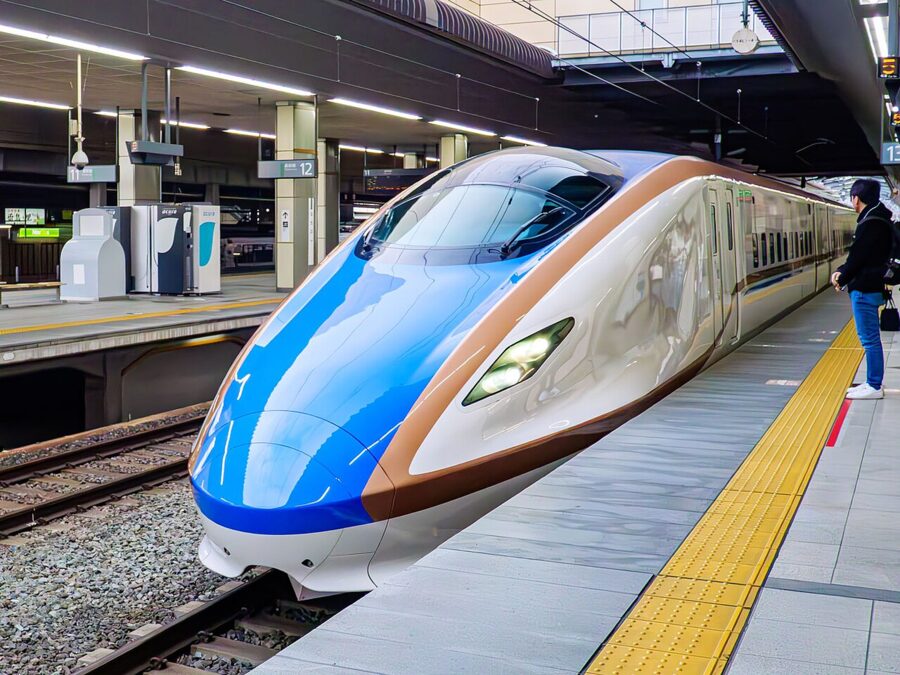
Is the Shinkansen and bus the fastest way?
Yes. A reserved seat from Tokyo to Nagano costs ¥8,450 in the regular season after the March 2026 fare revision, and the fastest Kagayaki trains take about 80 minutes. From the East Exit of Nagano Station the Alpico express bus to Hakuba takes about 75 minutes to Happo.
The winter timetable runs from December 12, 2026 to March 26, 2027, with buses leaving Nagano from 07:55 to 20:30. Most runs need a reservation in winter, and seats open two months ahead at 04:00 Japan time on Highway Bus.com. The winter fare is ¥3,500 to Hakuba Station, Happo or Iwatake and ¥3,800 (about US$25) to Tsugaike, Norikura or Cortina.
From April to early December the same bus is cheaper, at ¥2,900 (about US$19) to Happo and ¥3,200 (about US$21) to Tsugaike, and there are no reservations. You buy the ticket at the counter or pay on board.
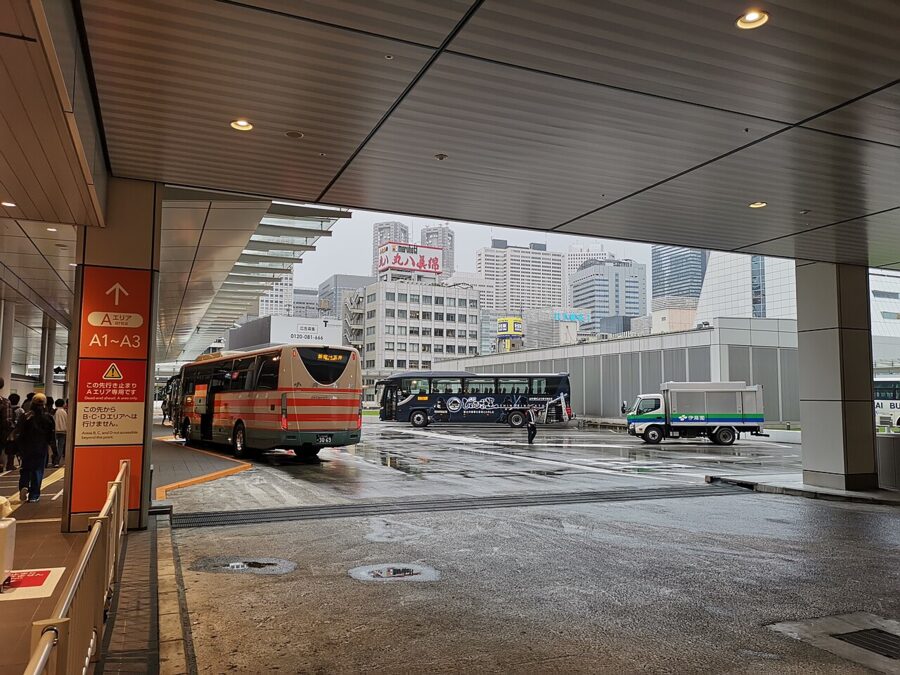
Is there a direct bus from Shinjuku?
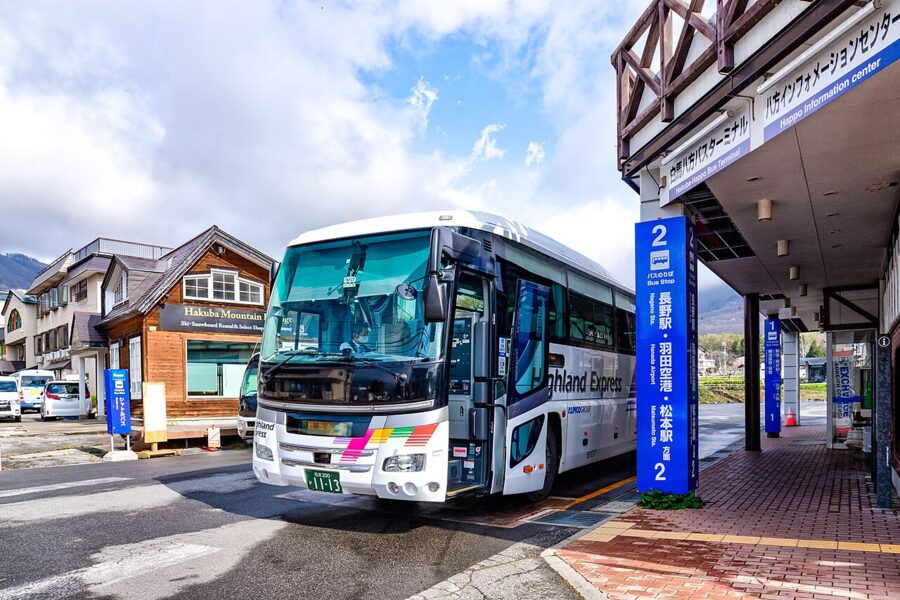
Yes, the Shinjuku to Hakuba highway bus, run jointly by Alpico and Keio. It leaves from Busta Shinjuku, above the New South Exit of Shinjuku Station, and picks up at five Chuo Expressway stops in western Tokyo.
The winter timetable runs from December 5, 2026 to March 31, 2027. These are the departures from Busta Shinjuku, with the arrival at the Happo bus terminal:
| Busta Shinjuku | Happo bus terminal | Runs |
|---|---|---|
| 07:35 | 12:48 | December 19 to March 31 |
| 09:35 | 14:57 | December 5 to March 7 |
| 10:25 | 15:38 | December 5 to March 30 |
| 15:05 | 20:27 | December 12 to March 19 |
| 17:05 | 22:18 | December 19 to March 7 |
| 23:05 (overnight) | 05:50 | December 4 to March 30 |
Going back, up to six buses a day leave Happo between 07:00 and 18:00. Outside winter the service shrinks hard: from April to early December 2026 only one daytime bus ran daily each way, at 07:35 from Shinjuku and 15:15 from Happo.
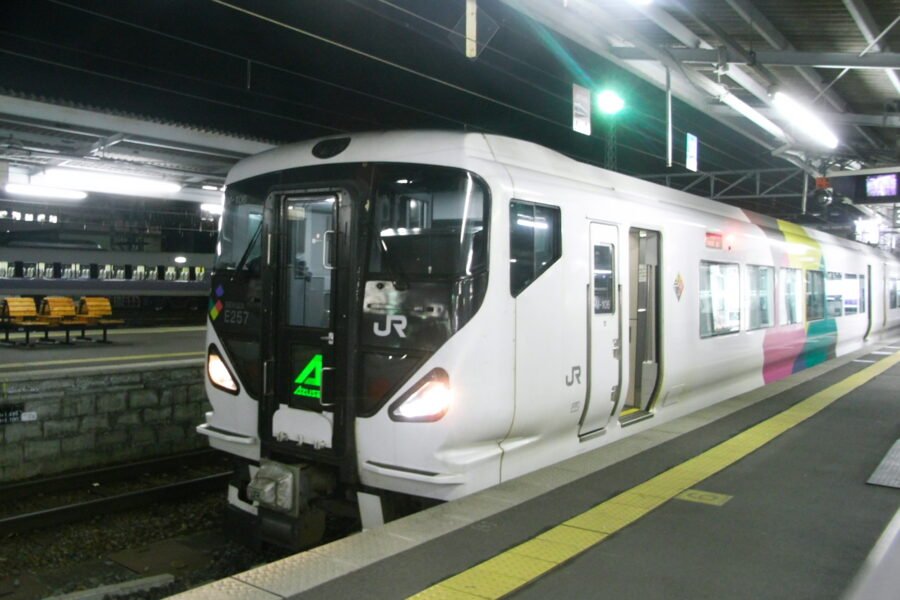
Is there a direct train?
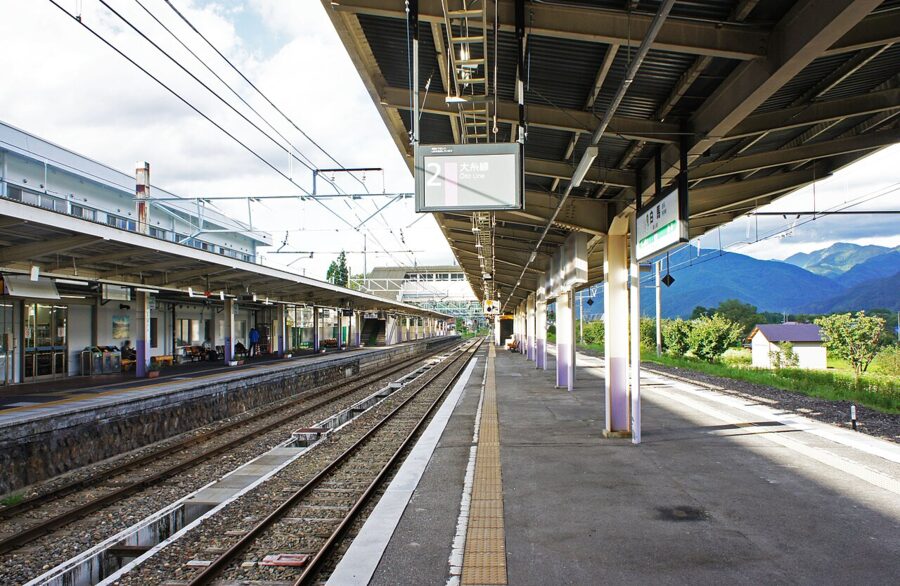
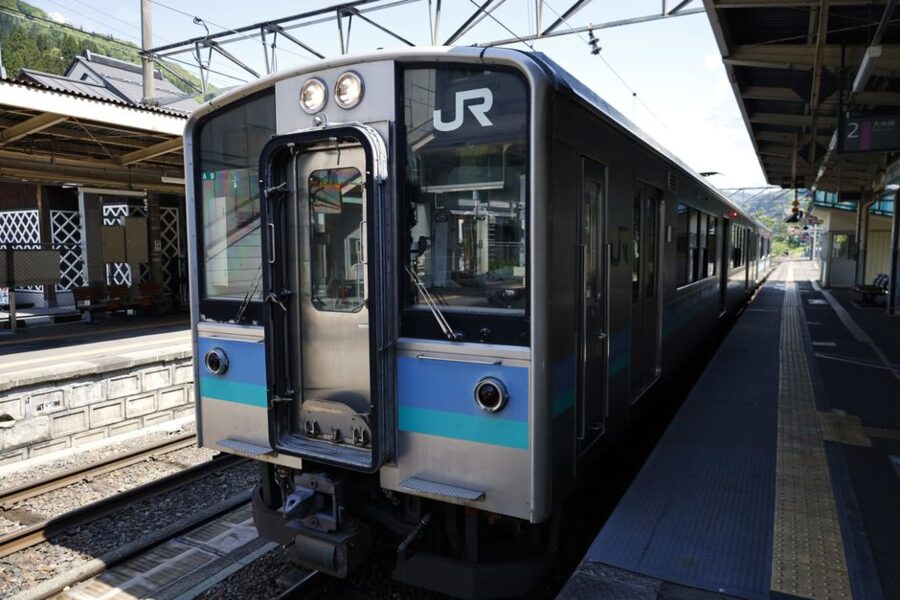
Yes. The limited express Azusa 5 leaves Shinjuku at 08:00 and runs through Matsumoto and Shinano-Omachi to Hakuba, arriving at 11:40. Coming back, an Azusa leaves Hakuba for Shinjuku at 13:43.
For winter 2026–27, JR East is extending another Azusa to Hakuba under the name Hakuba Express. It leaves Shinjuku at 10:02 and reaches Hakuba at 14:10, on December 19 to 31, January 1, and January 4 to February 28, with every seat reserved. It runs one way only.
The Japan Rail Pass covers both trains and the Oito Line, but not the Alpico buses.
Can I go straight from Narita or Haneda?
In winter, yes. Seasonal direct buses sold as Snow Liner run from Haneda and Narita to stops around the valley, including the Happo bus terminal, with the first bookable date this season on December 19, 2026. Fares vary by date and pickup point, so check the price on the day you book.
The bus leaves on time even if your flight is late, and each passenger gets one suitcase plus one ski or board bag. If you land in the afternoon, the train to Nagano is the safer plan.
What about from Kanazawa, Nagoya or Osaka?
From Kanazawa, take the Hokuriku Shinkansen to Itoigawa and the Oito Line south, changing at Minami-Otari; the shortest trips take about 2 hours 40 minutes. From Nagoya it is the limited express Shinano to Matsumoto and the Oito Line, about 3 hours 30 minutes at best, and Osaka adds the Shinkansen to Nagoya first.
Kanazawa is also the usual base for buses to Shirakawa-gō and Takayama, so Hakuba folds easily into a longer Alps trip.
Do I need to book the bus, and when?
For the Shinjuku bus, yes: every seat is reserved, and booking opens one month before the travel date. Sales on Highway Bus.com start at 04:00 Japan time on that day. I would book the first morning you can for any winter weekend or the New Year week.
Online fares float by date and bus, and you pay the price shown when you book. Phone and counter sales use fixed fares, which in winter run from ¥6,400 (about US$41) on a weekday to ¥7,800 (about US$50) on peak days. The overnight bus adds ¥2,000 (about US$13) per person.
Payment is due within three days of booking or by the day before departure, whichever comes first, or the reservation is cancelled. Children aged 6 to 12 pay half, and Alpico asks you to book a seat for children under 6 as well.
When you book the return, you choose your boarding stop, so pick the one nearest your lodging.
Where do the buses stop in Hakuba?
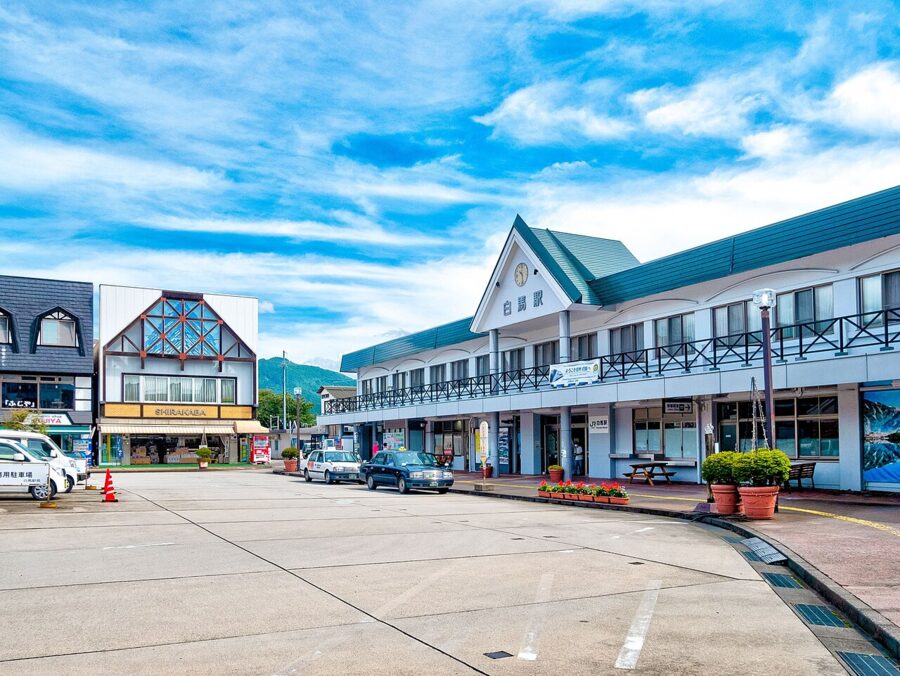
Coming from Shinjuku in winter, the bus stops at Goryu Escal Plaza (some runs only), Hakuba Goryu, Hakubacho, Snow Peak Land Station Hakuba and finally the Hakuba Happo Bus Terminal. Alpico’s Hakuba ticket office is at Hakubacho, open 06:30 to 18:00 every day.
The Nagano bus covers more ground. Its stops include Hakuba Goryu, Hakuba Station, Snow Peak, Happo, Iwatake, Tsugaike Kogen, and in winter Hakuba Norikura and Hakuba Cortina.
Which Hakuba ski resort should I choose?
For a first trip, base yourself in Happo and ski Happo-one, then use the shuttle for the others. Ten areas share the valley pass, and these six are the ones most people mean when they say Hakuba:
| Resort | Top / base | Vertical | Beginner share | Known for |
|---|---|---|---|---|
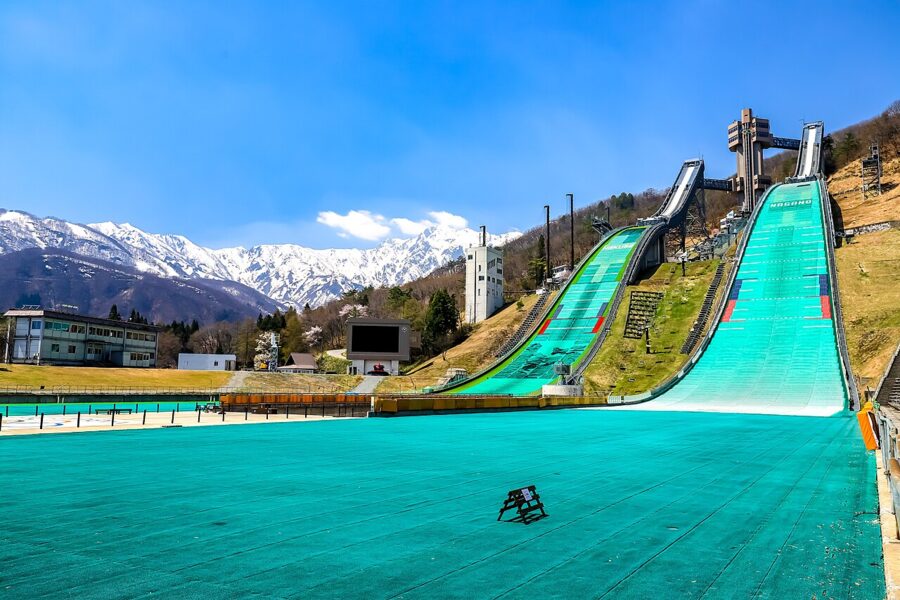
| Happo-one | 1,831 m / 760 m | 1,071 m | 30% | Long, steep runs; Olympic downhill course |
| Hakuba 47 and Goryu | 1,614 m and 1,676 m tops | 794 m and 926 m | 30% and 35% | Linked at the top; Goryu has the valley’s biggest night skiing |
| Iwatake | 1,289 m / 750 m | 539 m | 30% | Wide runs facing the Shirouma peaks |
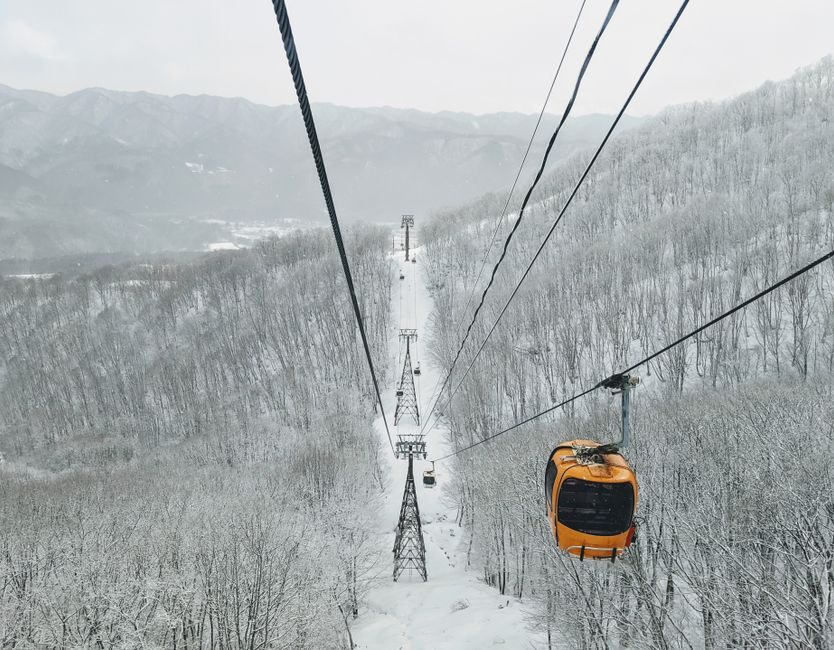
| Tsugaike | 1,704 m / 800 m | 904 m | 50% | Gentle lower slopes; a 4 km gondola; a powder zone |
| Cortina | 1,402 m / 872 m | 530 m | 40% | Heavy snowfall and tree skiing |
Happo-one
The steepest pistes in the valley, with a run of about 8 km from the top lifts. It suits confident intermediates and experts best, though beginners have the lower slopes.
Hakuba 47 and Goryu
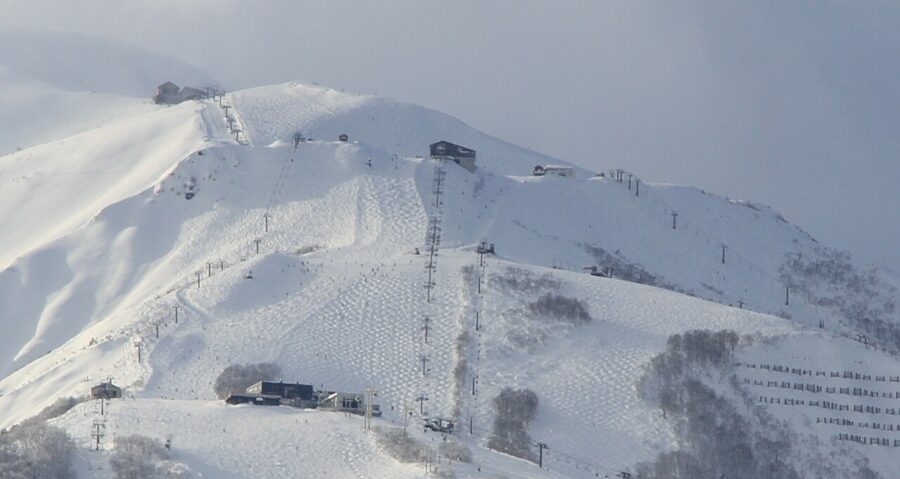
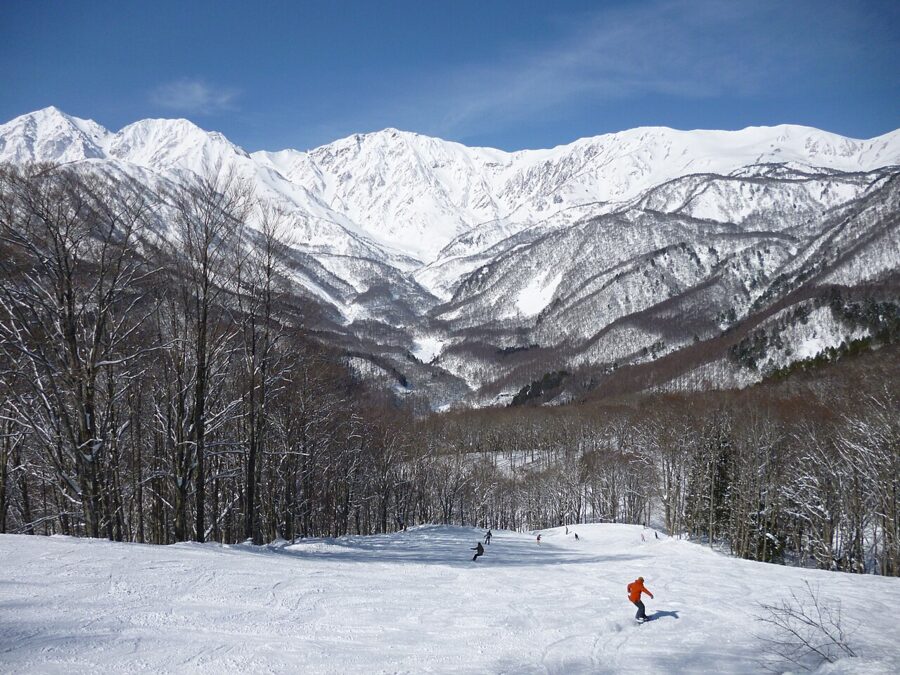
Two resorts joined at the top, so you can ski both in a day on one ticket. Hakuba 47 has a popular terrain park, and Goryu runs night skiing on its lower slopes. They sit at the south end of Hakuba village, where the Shinjuku bus stops first.
Iwatake and Tsugaike
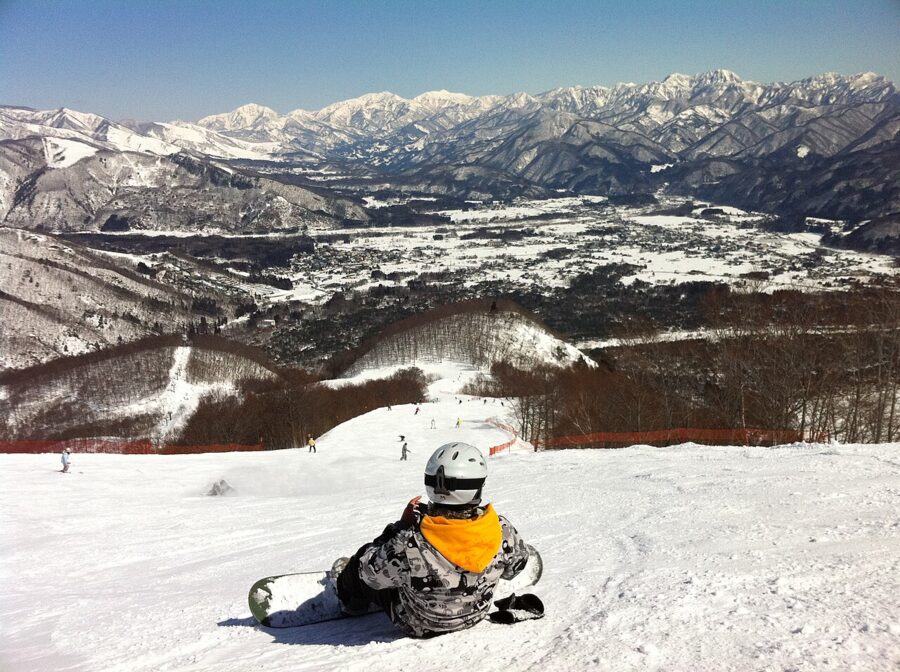
Iwatake is the smaller mountain facing the main range, with gentle cruising runs and the best seat in the valley for looking at the Shirouma peaks. Tsugaike, just over the line in Otari, is the one I would pick for families and first-timers. Half its terrain is rated for beginners, and it plans to open on December 1, 2026 and run until May 5, 2027, with 92 snow guns and a new six-seat chairlift due in late December.
Cortina and Norikura
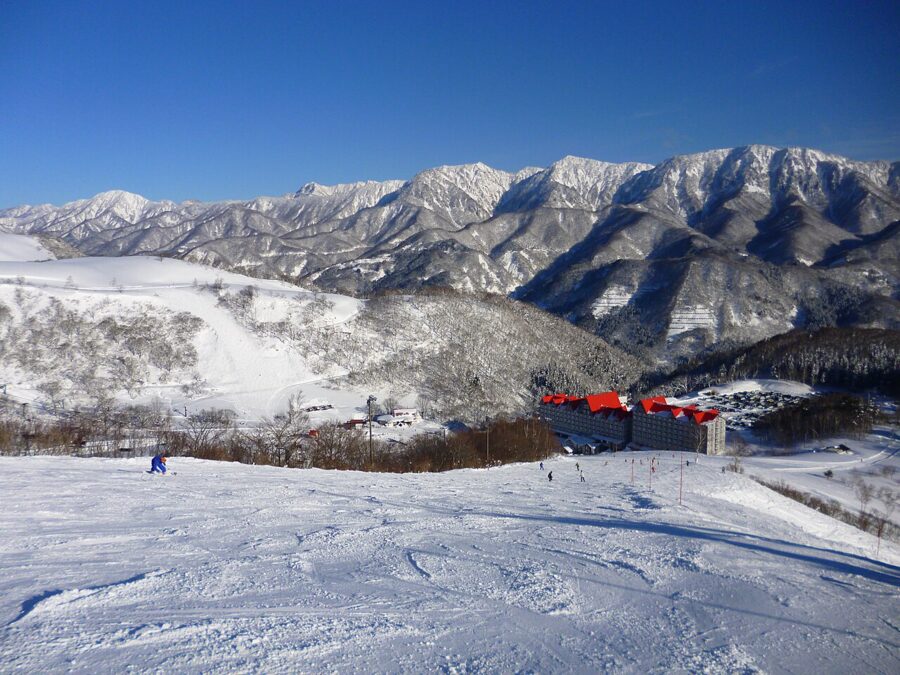
At the far north end, in Otari, these two are linked and get some of the heaviest snow in the valley. Cortina is known for tree skiing on a powder day, but it is a long ride from Happo.
How much is the Hakuba Valley lift pass?
¥11,100 (about US$72) for an adult day in 2026–27. The Hakuba Valley All-Mountain Day Pass works at all ten resorts, including several on the same day, and it includes the valley shuttle buses on the days you ski.
| Pass | Adult (13 and over) | Child (6 to 12) | Use within |
|---|---|---|---|
| 1 day | ¥11,100 | ¥6,400 | The day of use |
| 2 days | ¥21,800 (about US$141) | ¥12,500 (about US$81) | 4 days |
| 3 days | ¥32,200 (about US$208) | ¥18,100 (about US$117) | 6 days |
| 5 days | ¥53,400 (about US$345) | ¥29,700 (about US$192) | 10 days |
| 7 days | ¥74,500 (about US$481) | ¥41,700 (about US$269) | 12 days |
Children under 6 ski free. You buy online and swap the emailed QR code for a card at a ticket window or kiosk, or load the pass onto a card from a past trip. Passes cannot be refunded, and unused days expire.
If you will only ski Happo-one, its own day ticket costs ¥9,800 (about US$63) between December 19, 2026 and March 22, 2027, and ¥6,400 before and after. That is ¥1,300 (about US$8) less than the valley pass, but it does not include the shuttle.
When is the best snow?
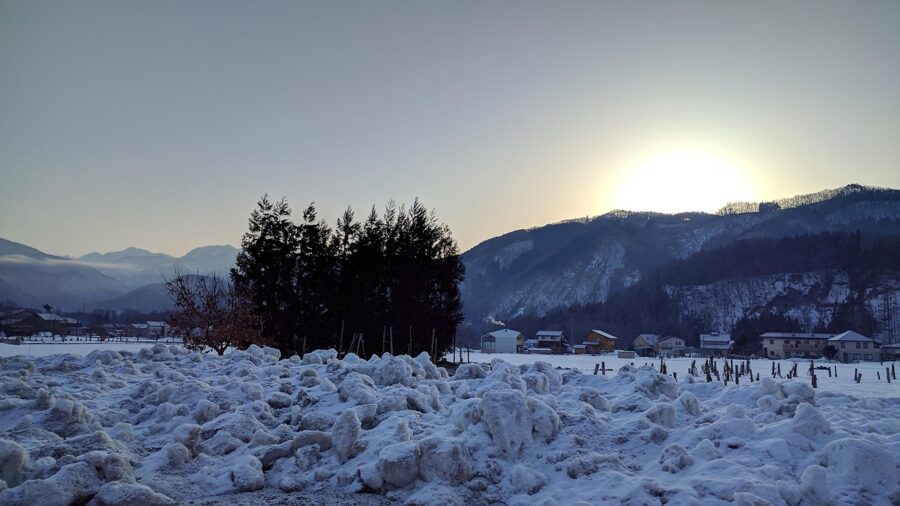
Mid-January to mid-February. The Japan Meteorological Agency’s 30-year averages for Hakuba, measured in the village at 703 meters, show 216 cm of snowfall in January and 174 cm in February, with the snow on the ground peaking at about a meter in February. The resorts are higher and get more.
December is a gamble. The village averages 130 cm of snowfall that month, enough some years and thin in others, which is why the resorts with snowmaking open first. March averages 110 cm and brings sun and spring snow, and Happo-one and Tsugaike keep lifts running until May 5.
What is there to do in Hakuba in summer?
Walk, mostly. The ski lifts reopen for hikers and carry you up among alpine flowers and snow patches without climbing a mountain.
How do I hike to Happo-ike pond?
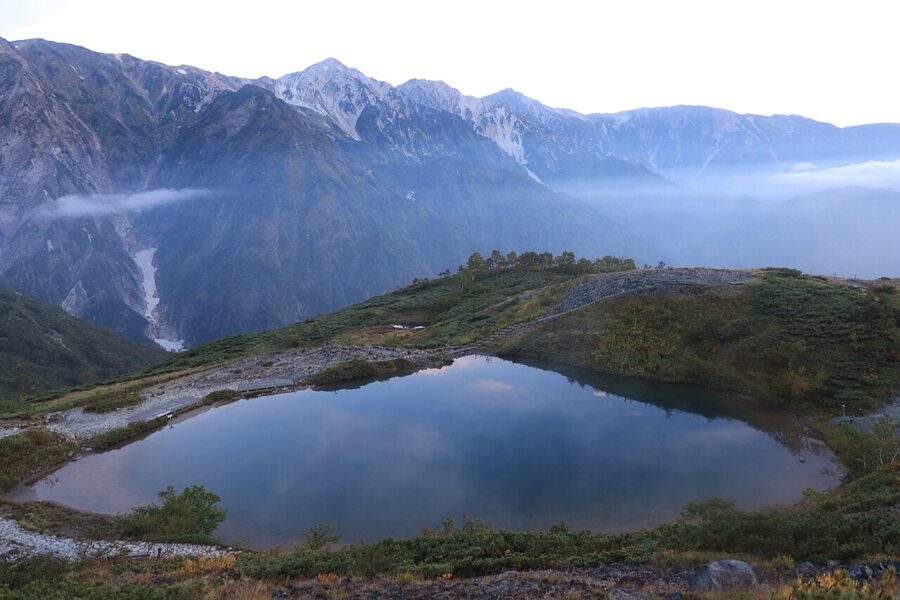
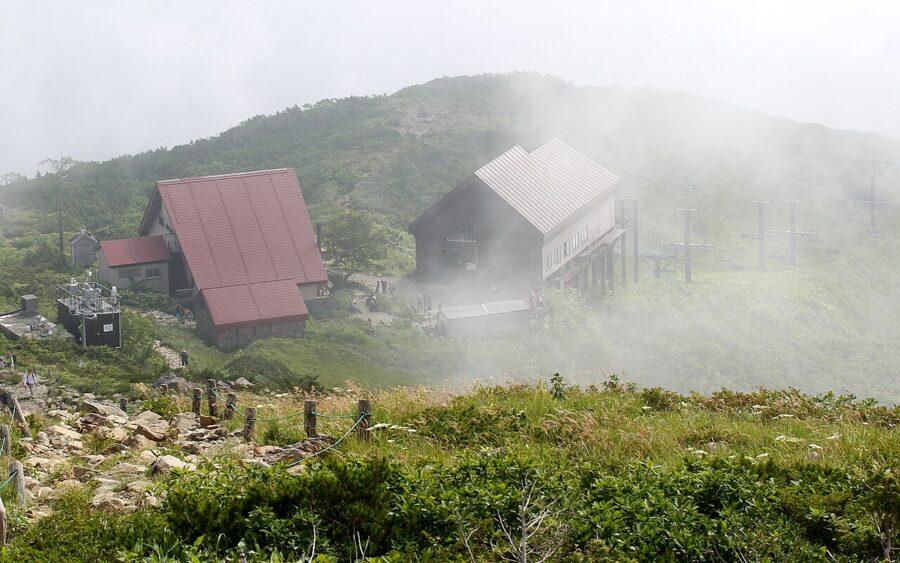
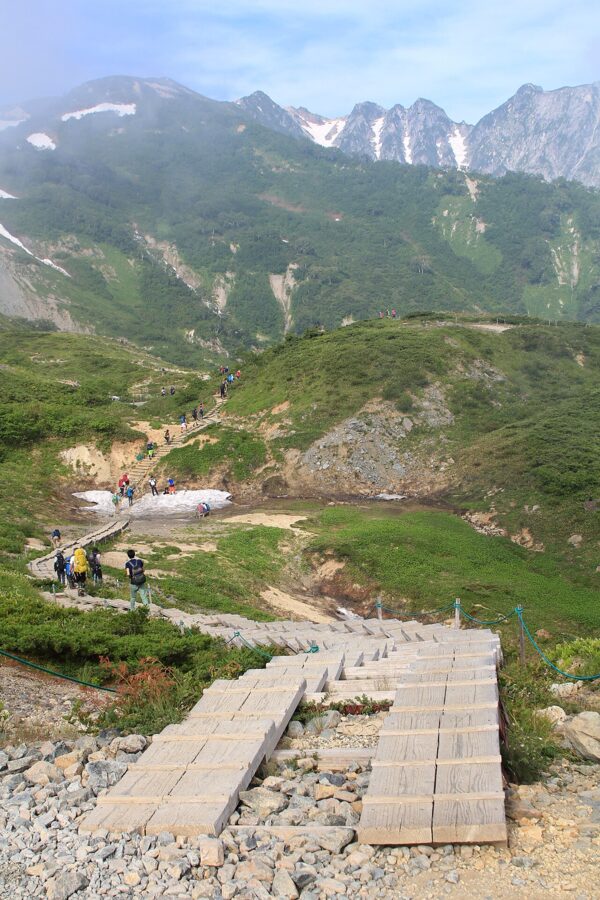
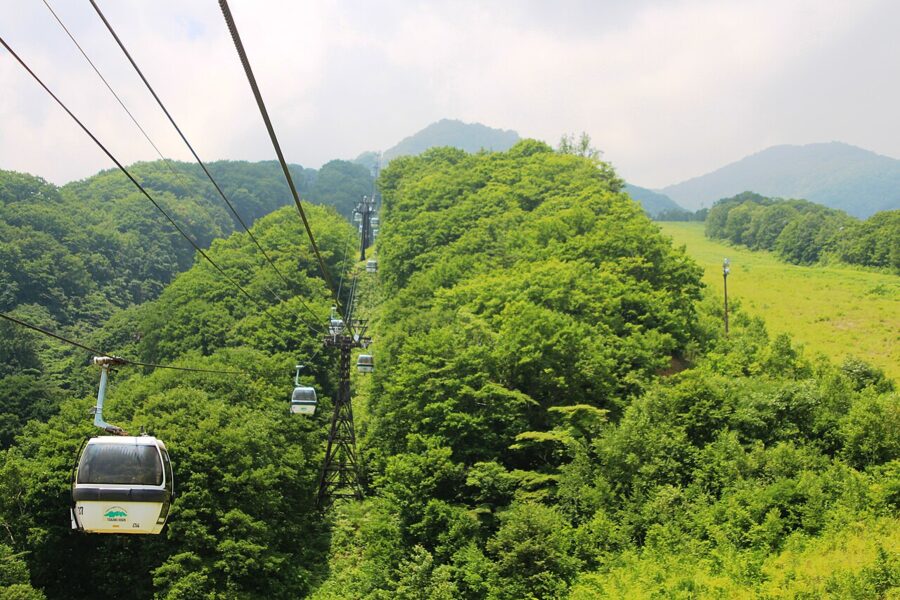
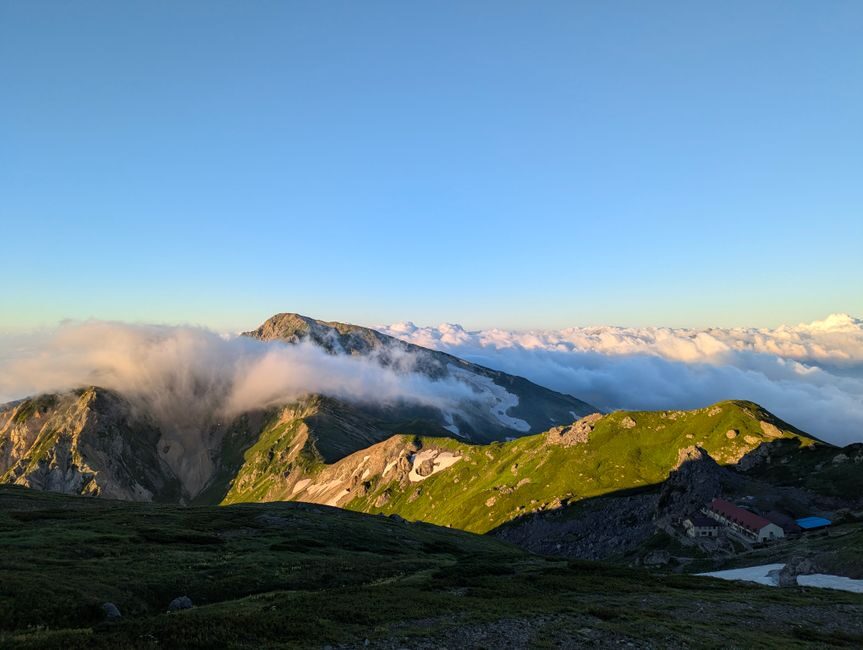
Take the Happo Alpen Line, a gondola and two chairlifts from the base of Happo-one, to Happoike Sanso at 1,830 meters. From there a marked trail climbs about 230 meters over 1.5 km to the pond at 2,060 meters. Allow an hour to an hour and a half each way.
In 2026 the lifts ran from June 6 to November 3, with an opening weekend on May 30 and 31. A round trip cost ¥3,500 for adults and ¥2,300 (about US$15) for children, valid for three days. The trail is rocky, so wear walking shoes and bring a layer.
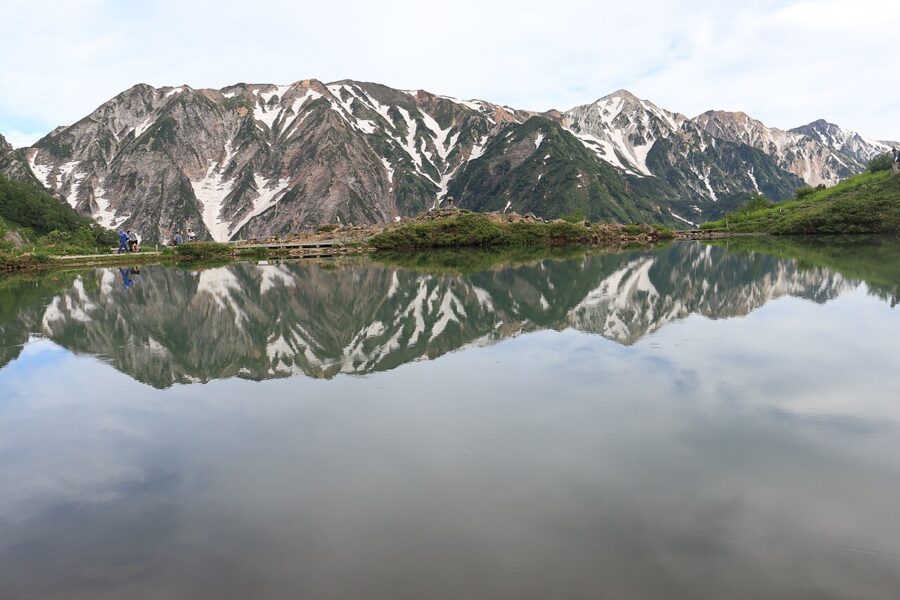
The pond is small, about 4 meters at its deepest, and covered in snow and ice for around eight months a year. On a clear, still day it mirrors the Shirouma peaks, and from the ridge above you can sometimes pick out Mount Fuji on the far horizon. Karamatsu-dake, at 2,620 meters, is a full mountain day beyond.
Is Tsugaike Nature Park worth it?
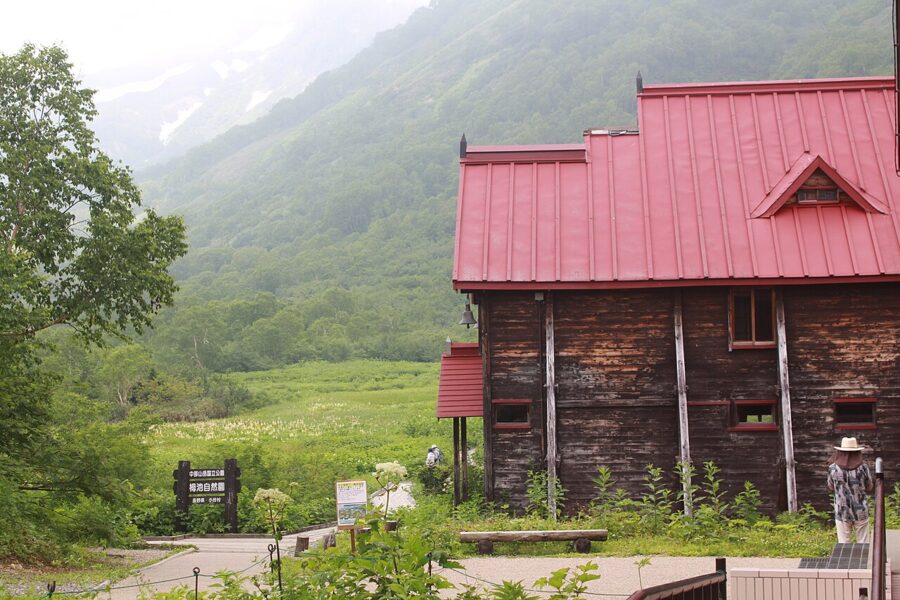
Yes, if you like walking more than climbing. The park is a high moor at about 1,900 meters, with roughly 5.5 km of boardwalk through marsh, meadow and flowering slopes. It is also one of the best-known spots in the area for autumn color.
You reach it on the Tsugaike gondola and a ropeway from Tsugaike Kogen. In 2026 the park was open from June 6 to October 25, and the round trip with park admission cost ¥4,000 (about US$26) for adults.
What is Hakuba Mountain Harbor, and when is it open?
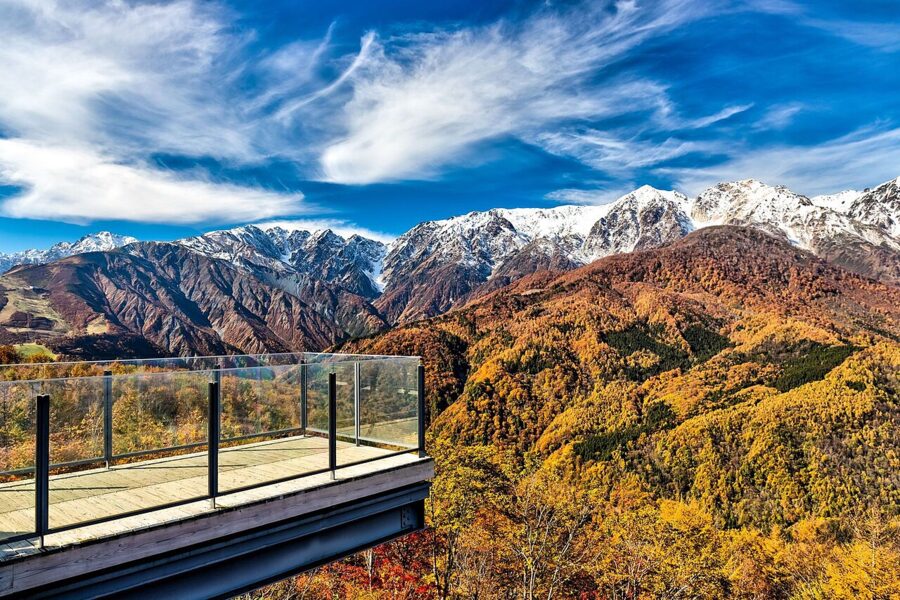
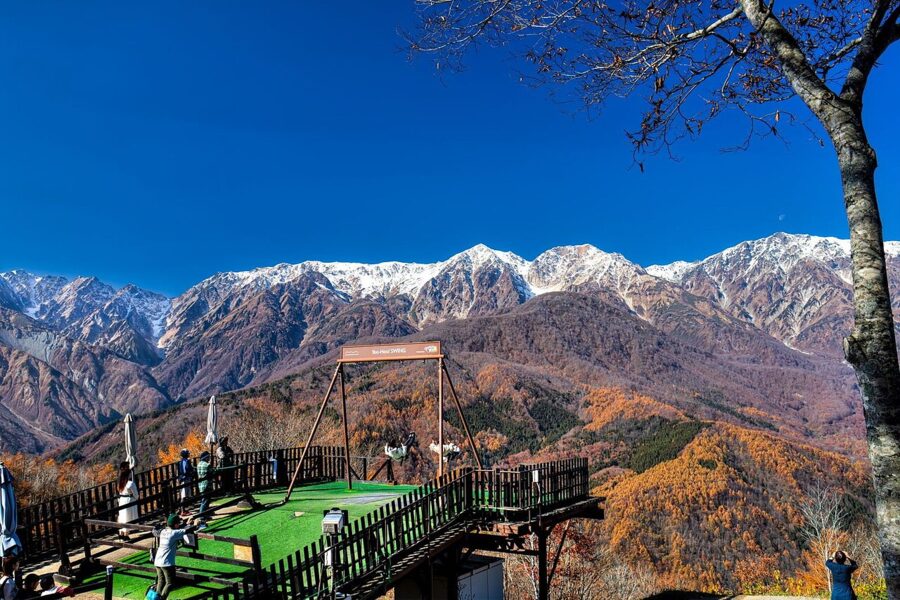
A view terrace and café on the summit of Iwatake, at 1,289 meters, facing the Shirouma peaks, with about 120 seats and a branch of New York’s THE CITY BAKERY. The gondola up takes about eight minutes.
In 2026 the green season ran from April 23 to November 15, 08:30 to 17:00, with the last week gondola only. The Hakuba Mountain Harbor opens again for winter from mid-December to late March. A summer entry ticket, including the gondola and a chairlift both ways, cost ¥2,900 for adults and ¥1,600 (about US$10) for children.
Can I do the Kurobe Alpine Route from Hakuba?
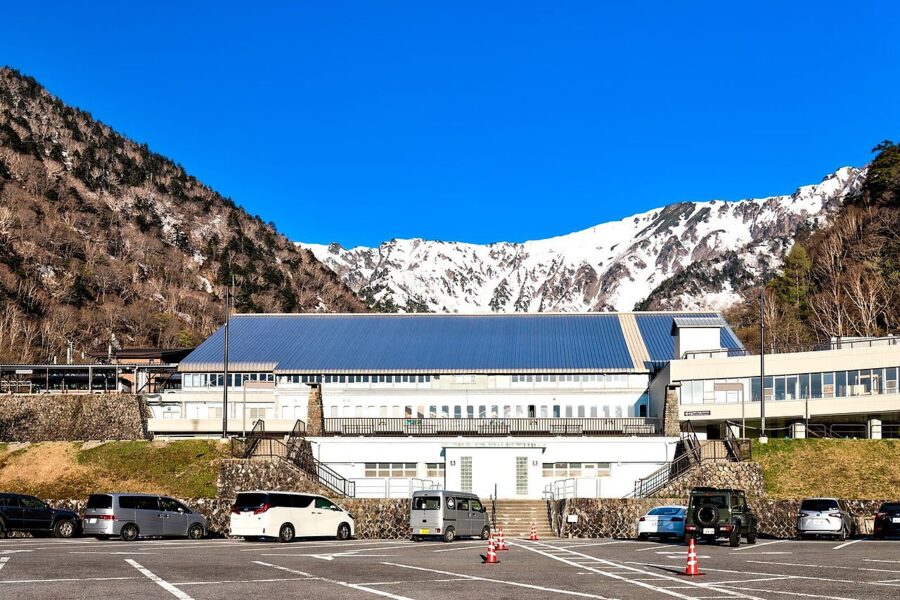
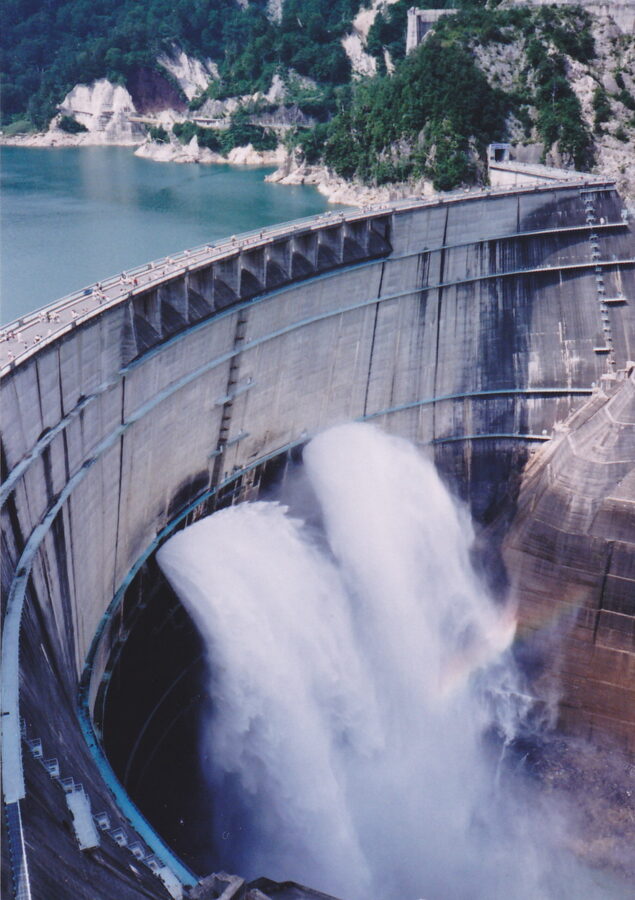
Yes, as a long day. The Tateyama Kurobe Alpine Route starts on the Nagano side at Ogizawa, above Omachi, and crosses the range by bus, cable car and ropeway past the Kurobe Dam. Take the Oito Line from Hakuba to Shinano-Omachi, under half an hour on the Azusa and longer on a local train, and the bus up to Ogizawa from there.
The route ran from April 15 to November 30 in 2026, and the 2027 dates had not been announced as of late November 2026. The direct Shinjuku bus runs to Ogizawa were suspended in 2025 and did not run in 2026.
Where should I stay in Hakuba?
Happo, unless you have a reason to be elsewhere. It has the bus terminal, the Happo-one gondola, a public bath and the most restaurants, and the main shuttle line runs through it. These are the other areas and who they suit:
- Wadano, beside Happo: quieter hotels and lodges, the upper part close enough to the Happo-one slopes to ski in and out, with fewer bus connections.
- Echoland, a cluster of lodges, restaurants and bars a short way from Happo: lively on winter evenings, but not near any lift, so you ride the shuttle every day.
- Around Hakuba Station: handy if you arrive by train and want the Oito Line, less so for skiing.
- Goryu and Hakuba 47, at the south end: walk to the lifts there, and the Shinjuku bus stops nearby first.
- Tsugaike, in Otari: plenty of ski-in lodging and gentle slopes for families, but a long ride to the rest of the valley.
- Cortina and Norikura, at the north end: the snowiest corner, best if you want to ski one place deeply and not commute.
Book early for the New Year week and for late January to mid-February.
Are there onsen in Hakuba?
Yes, and the local water is unusual. Hakuba Happo Onsen was drilled in 1982, and its water is strongly alkaline, at around pH 11, which puts it among the most alkaline hot spring water in Japan.
The easiest public bath for most people is Happo no Yu, a day-use bath with indoor and outdoor pools directly across the road from the Happo bus terminal. It opens daily from 10:00 into the evening. Tattoo rules vary from bath to bath in Japan, so ask at the counter if you have one.
How do I get around the valley?
In winter, by the Hakuba Valley shuttle bus. Line V links every resort, and branch lines serve each ski area. The Day Pass and Season Pass cover the shuttle on the days you ski; without one, the 2025–26 fare was ¥800 (about US$5) for adults and ¥400 (about US$3) for children, sold online only, with no cash on board.
A separate night bus, Line VN, cost ¥500 (about US$3) and is not covered by the lift pass. The 2026–27 timetables were still being updated in late November. Late-afternoon buses get crowded, and a full bus will not stop.
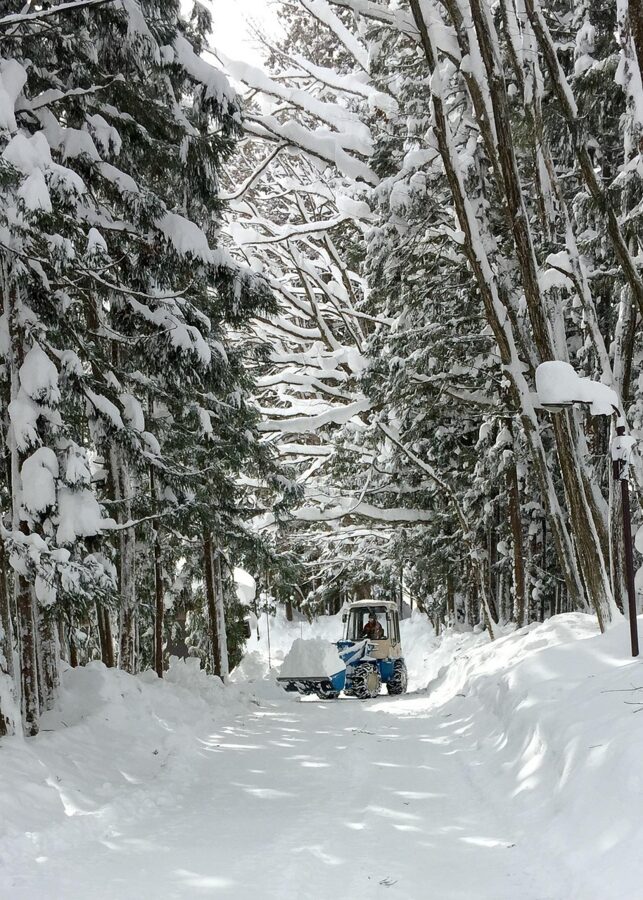
Outside winter, the Nagano express bus and the Oito Line do most of the work. Happo and the Happo-one gondola are a short walk apart, and Iwatake and Tsugaike have their own stops on the Nagano bus.
When should I go to Hakuba?
Late January to mid-February for skiing, mid-July to August for hiking, and October for autumn color. The village climate in brief, from the same agency averages:
| Months | What you get |
|---|---|
| December | Resorts open from December 1 as snow allows; snowfall in the village averages 130 cm |
| January to February | The deepest snow and coldest days; average highs of 1 to 3°C (34 to 37°F) in the village |
| March to early May | Spring skiing; Happo-one and Tsugaike plan to run until May 5 |
| June to July | Lifts reopen for hikers; July is the wettest month, at 281 mm of rain |
| August | The warmest month, with average highs of 28°C (83°F) in the village and much cooler on the ridges |
| October to early November | Autumn color; Tsugaike Nature Park closes in late October and the Happo lifts in early November |
So: the bus if you have the time, the train to Nagano if you have the money, and the shuttle once you are there. If you are skiing in February, the one thing to do before leaving home is book the Shinjuku bus or the Nagano bus the morning seats open, at 04:00 Japan time, a month or two months ahead.